Portuguese
  Spanish


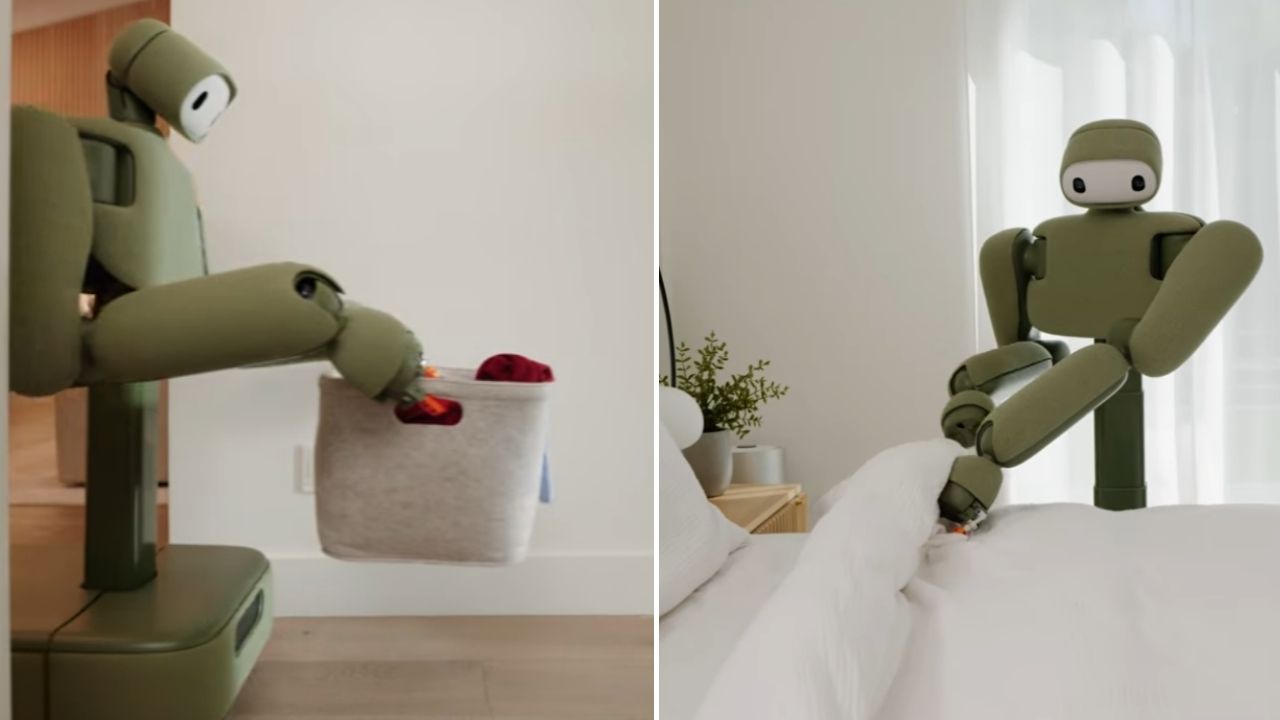

The domestic robot Isaac 1, from Weave Robotics, was introduced in July 2026 to automate tasks such as folding clothes, making beds, and organizing objects. According to Interesting Engineering, the model costs US$ 7,999, uses cameras, operates with hybrid autonomy, and can receive remote human assistance when it encounters technical limits.
The domestic robot Isaac 1, developed by the American startup Weave Robotics, was introduced as a mobile machine to perform common tasks inside the home. The equipment moves on wheels, folds clothes, makes beds, organizes objects, and tries to reduce part of the repetitive routine of maintaining environments.
The report from Interesting Engineering, published on 07/03/2026, states that the model will be sold for US$ 7,999 or by a monthly subscription of US$ 449. Deliveries are expected to start in California in the fall of 2026, before expanding throughout the United States in 2027.
Isaac 1 was created for repetitive household tasks
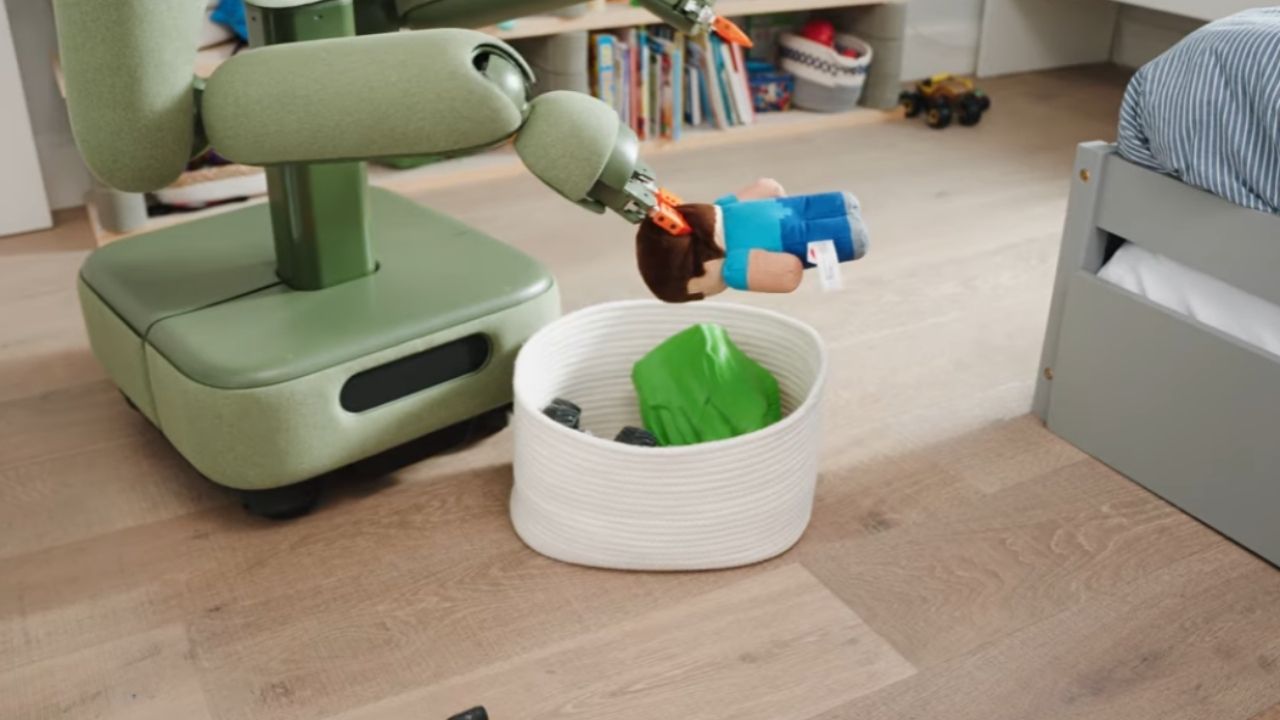
Isaac 1 is presented as a domestic robot focused on organization tasks. It was not designed just to move around the house, but to manipulate objects with two robotic arms and perform actions that require visual perception, movement, and some level of decision-making.
-
Mobile Electron Accelerator Units Enable Safe Testing of Water, Materials, and Industrial Waste Treatment in Countries Without Permanent Labs

-
Brazil Invests $12 Million in Biodiversity to Develop Drug Molecules, but When Will It Reduce Dependence on Imported Pharmaceutical Ingredients?
-
3D Printing: From 1945 Sci-Fi Concept to Modern-Day Prosthetics, Homes, and Industrial Parts
-
SpaceX’s Billion-Dollar Decision Could Propel Company to Historic $800 Billion Valuation


The proposal includes folding clothes, making beds, sorting clutter, aligning cushions, and putting items away in their places. The differentiator is in trying to take domestic robotics beyond the automatic vacuum, entering tasks that involve varied objects and less predictable environments.
Robot moves on wheels and adjusts height
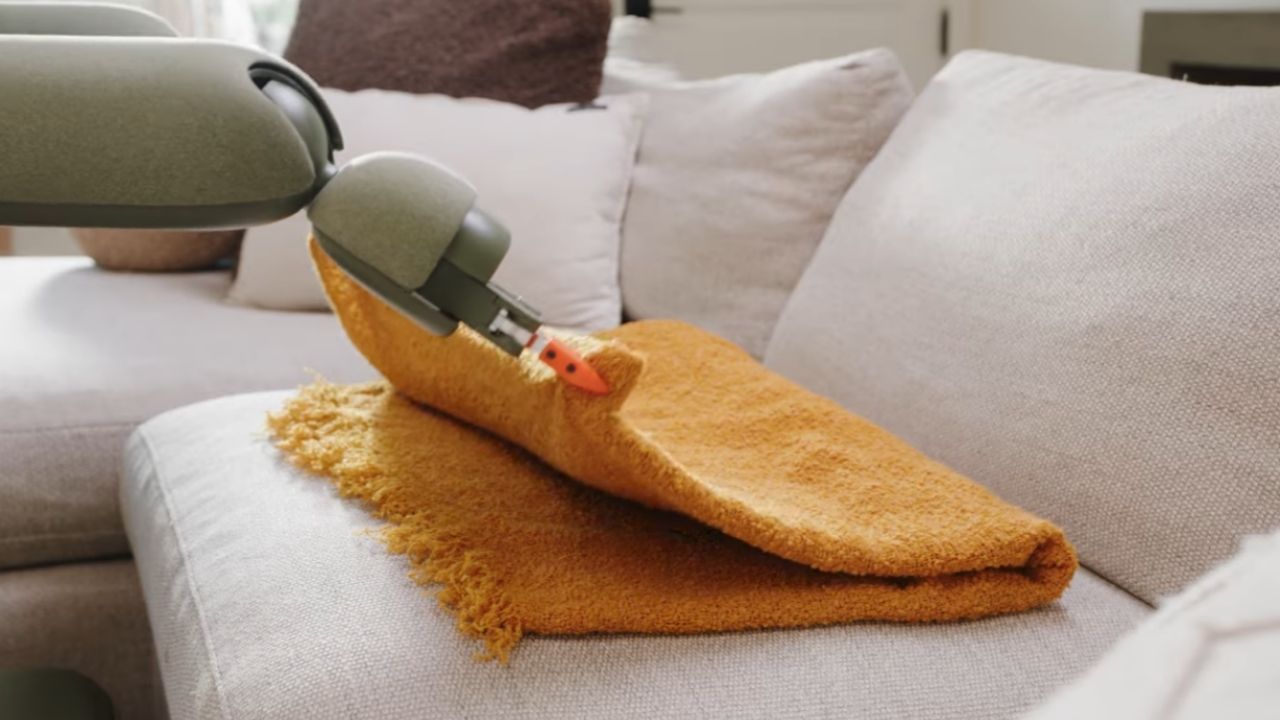
Unlike the Isaac 0, launched in February 2026 as a stationary robot for folding clothes, the Isaac 1 has a motorized base on wheels. This allows it to move through rooms and operate at different points in the house.
The telescopic body adjusts the height from about 0.9 meters to 1.75 meters. This variation helps the robot reach beds, shelves, laundry baskets, and furniture, maintaining a more compact profile when not in use.
Cameras and artificial intelligence guide the actions
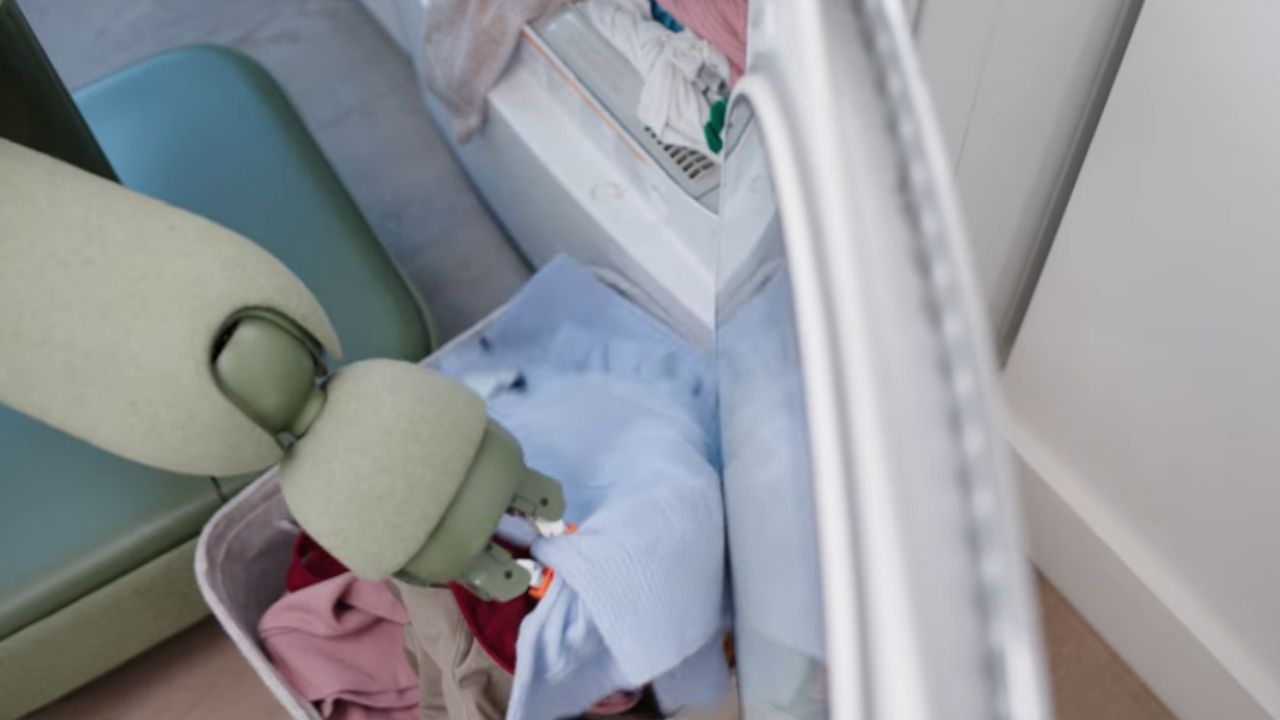
To operate, the domestic robot uses embedded cameras and perception based on artificial intelligence. These systems help identify objects, recognize room layouts, and decide where each item should be placed.
This type of operation is more complex than it seems. A folded shirt, a pillow out of place, or a toy on the floor may require different decisions. The real home is an environment full of variations, and this unpredictability is still one of the biggest challenges of domestic robotics.
Remote human help comes in when the system stalls
The Isaac 1 operates autonomously in most situations, but it doesn’t rely solely on its own AI. When it encounters a task it can’t complete on its own, the system can call for remote human assistance.
In this hybrid model, an external operator temporarily takes control using the robot’s camera images. Once the difficult task is resolved, the system returns to autonomous mode. This solution increases reliability, but also raises questions about privacy within the home.
Privacy has become a sensitive point of the project
The presence of cameras in a domestic robot that moves through rooms requires caution. Weave Robotics states that the Isaac 1 has hardware controls capable of physically disabling the cameras when they are not needed for operation.
This measure attempts to address an evident concern: allowing a connected machine to enter bedrooms, living rooms, and private areas without turning the house into a constantly monitored environment. Even so, the use of remote human teleoperation should be observed carefully by consumers.
Price places the product in a high range
The Isaac 1 will be offered for US$ 7,999, a price that positions the product in a high-cost range for the average consumer. The company also foresees a subscription of US$ 449 per month, in addition to a reservation with a deposit of US$ 250.
These numbers show that the product is not yet targeting the mass market. For now, the domestic robot seems closer to a premium test of advanced home automation than an affordable appliance for most families.
Subscription attempts to reduce entry barrier
The subscription model may attract consumers who do not want to pay the full purchase price. Instead of disbursing US$ 7,999 at once, the user would pay a monthly fee to use the equipment.
Even so, US$ 449 per month still represents a high expense. To justify this cost, the Isaac 1 would need to deliver real time savings, reliability in tasks, and a low level of human intervention in everyday use.
Updates promise to expand functions


Weave Robotics plans to expand the capabilities of the Isaac 1 through firmware updates over the internet. The idea is to allow the robot to perform new household tasks as AI models improve.
This point shows that the product is not just hardware. The future value of the robot depends on software, learning, corrections, and the gradual expansion of tasks it can perform at home.
Design tries to look less industrial
Besides the functionality, the Isaac 1 received a more friendly appearance for the home environment. The robot has a rounded head, expressive digital eyes, and panels covered with fabric.
This visual choice is not a detail. In homes, robots need to be accepted as part of the environment. Equipment that looks too industrial can cause estrangement, especially when moving among furniture, clothes, and personal objects.
Technology shows progress, but not total autonomy
The Isaac 1 combines embedded AI, computer vision, robotic manipulation, and remote assistance. This set indicates significant progress, but also shows that domestic robotics has not yet reached the point of complete independence.
The fact that it relies on human operators in difficult situations reveals the current stage of the sector. The promise is not of a perfect robot, but of a hybrid system that tries to deliver complete tasks even when autonomy fails.
Future of household tasks will still have limits
The arrival of Isaac 1 reinforces a trend: domestic robots are starting to move away from simple and repetitive tasks to try to handle real environments, varied clutter, and common everyday objects.
But price, privacy, cameras, remote assistance, and reliability will still be important barriers. Would you let a domestic robot with cameras roam your house to fold clothes, make the bed, and store objects? Or do cost and privacy still weigh more than convenience? Leave your opinion in the comments.