






 Portuguese
  Spanish


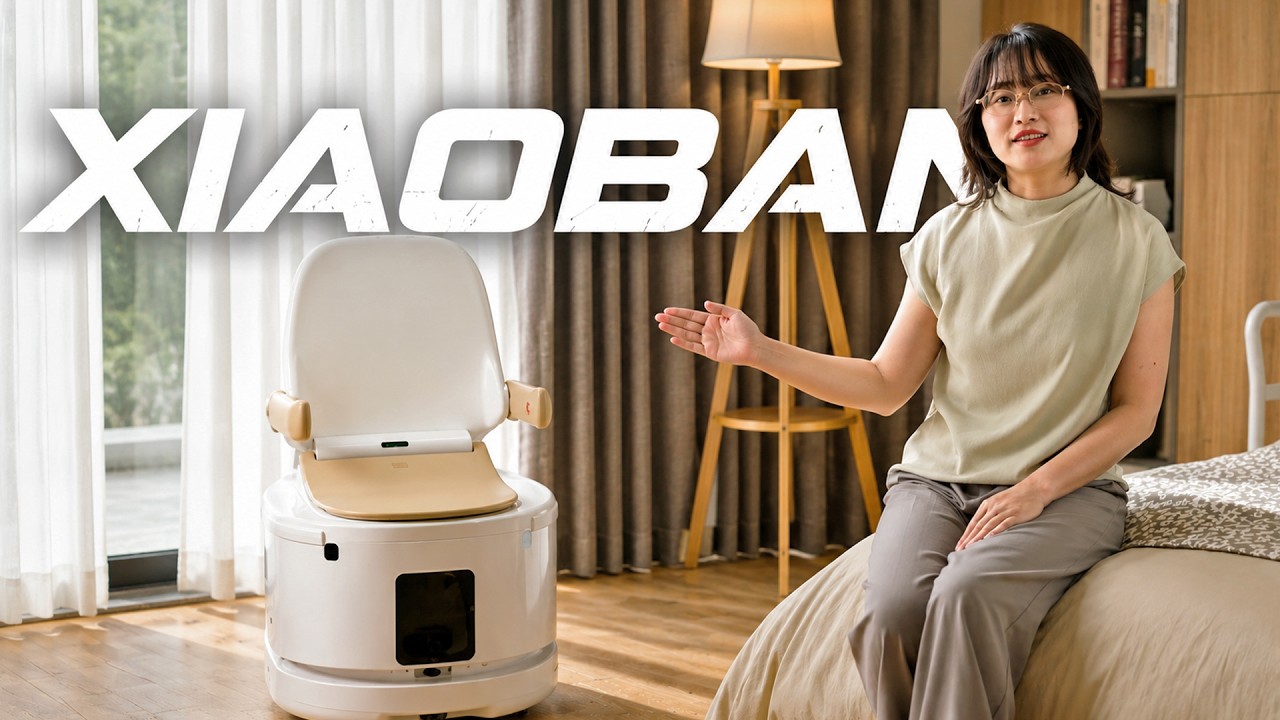

Developed by Yueban and presented at an international exhibition of elderly care and rehabilitation medicine, Xiaoban uses artificial intelligence to navigate within homes, transport waste to a plumbing-connected base, and perform an automatic cycle of disposal, cleaning, and odor neutralization.
A self-moving toilet was presented by Yueban during the International Exhibition of Elderly Care, Assistive Devices, and Rehabilitation Medicine in Shanghai. Named Xiaoban, the equipment combines mobility, artificial intelligence, and hygiene.
The model was developed for people with disabilities or reduced mobility. Instead of requiring the user to go to the bathroom, the device can navigate through rooms and reach the necessary location.


Toilet uses AI to move around the house
Xiaoban uses an artificial intelligence system with three-dimensional obstacle avoidance. This technology allows the equipment to recognize the environment, navigate around objects, and move autonomously during service.
-
Drone Reveals Abandoned 55-Story Luxury Residential Tower in Northeastern Brazil Since 2017

-
Farewell to Toilet Paper? New Technology Sparks Debate on Bathroom Habits

-
Young Entrepreneur Who Started Recycling Bottles at Age 3 Becomes Environmental Icon in the U.S.

-
Nivea Blue Tin Cream: Popular Post-Beach and Pool, But Pharmacist Warns About Missing Ingredients and Common Summer Mistakes Regarding UVA and UVB Protection.



After use, the toilet activates its Lidar sensor and returns to the charging base. The structure is connected to the plumbing in the residence and receives the waste transported by the device.
A silent grinder aids in disposal, reducing the risk of blockages. Once emptied, Xiaoban initiates a cleaning cycle.
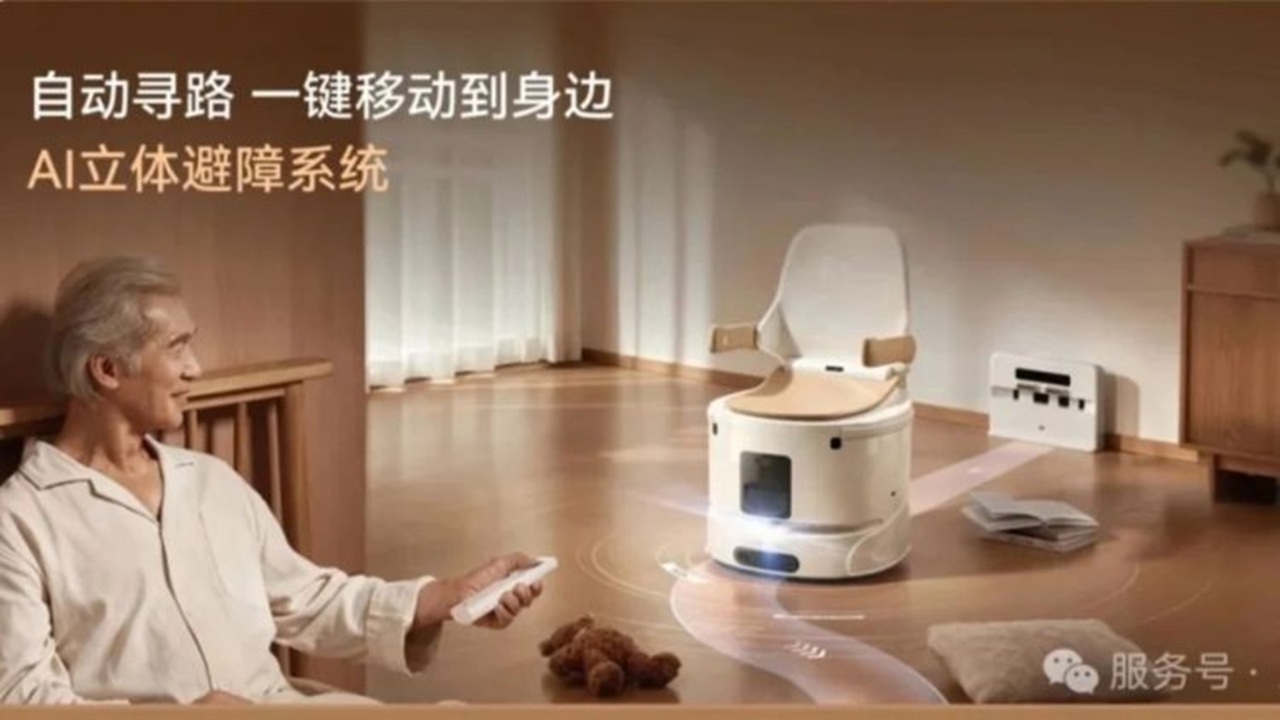
Self-cleaning includes pressurized water and UV light
The process uses jets of pressurized water and ultraviolet light. The aim is to keep the equipment clean and ready for use again, without constant intervention.
To control odors, the system applies a layer of foam and uses activated charcoal filters. The set is designed to preserve air quality in the environments where the equipment circulates.
The robotic toilet is already available in the Chinese market for US$ 13,000. So far, there is no information on international sales or a forecast for arrival in other countries.
What do you think of this proposal? Could a mobile toilet improve the routine of the elderly and people with reduced mobility, or does the price limit access? Share your opinion in the comments and say in which situations the technology would be useful.


