Portuguese
  Spanish


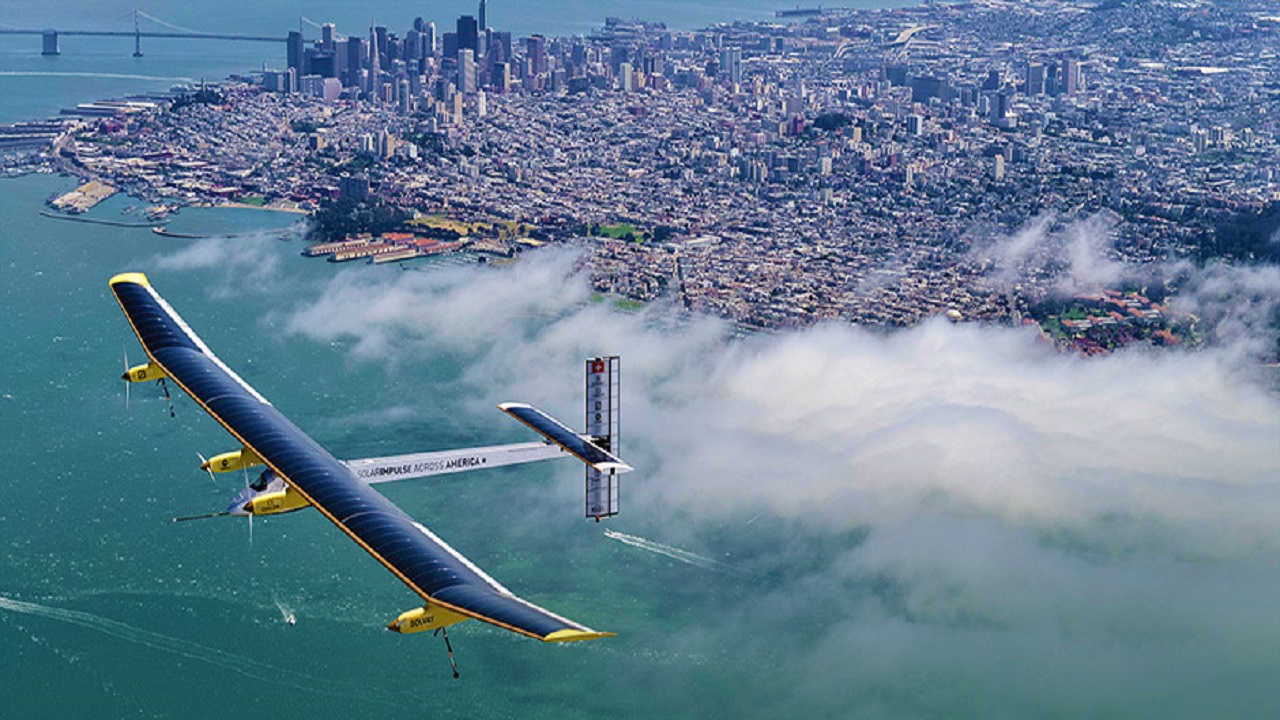

The Solar-Powered Airplane Solar Impulse 2, Capable of Flying for Months, Has Batteries That Can Survive for Up to 10 Thousand Cycles and Withstand Temperatures Above 50°C
The Solar Impulse 2, a battery-powered airplane recharged by solar energy, completed its world tour on July 26, 2016, returning to Abu Dhabi after more than a year and 40,000 km (25,000 miles) since its departure. With seventeen individual flights and accumulating nearly 600 hours in the air, the solar-powered airplane broke nineteen world records on its historic journey. Along the way, its solar panels provided over 11 megawatt-hours (MWh) of electricity, which powered four 13 kW motors during the day and stored the excess for nighttime flights.
Airplane Batteries Can Survive Up to 10 Thousand Cycles
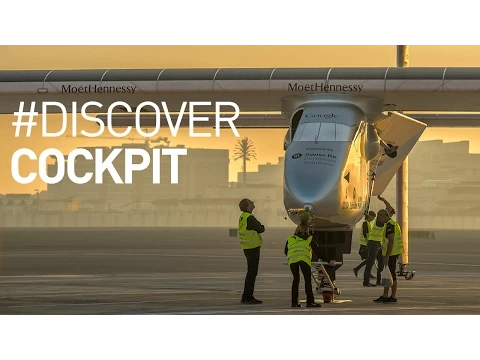

The airplane’s world tour had a complication: the potential overheating of its 154 kWh Kokam battery bank during the 118-hour flight from Japan to Hawaii. The batteries feature Kokam’s patented Ultra High Power NMC (Nickel Manganese Cobalt) technology, a variation of lithium-ion chemistry. These batteries can survive up to 10,000 charge cycles, have low internal resistance, and dissipate heat 60% better than standard NMC batteries.
Their combination of energy density and power density makes the Ultra High Power NMC batteries ideal for electric vehicles. On its flight to Japan, the Solar Impulse 2 faced challenging weather, so the ground team decided to conduct an unscheduled test flight before the trans-Pacific crossing. Everything went well and the solar-powered airplane was quickly cleared for takeoff.
-
Fired during apartheid and with a little borrowed money, an electrician started with a borrowed truck and transformed electrical services into a group connected to energy, real estate, and infrastructure in South Africa.

-
Wood has ceased to be just a construction material in Yale research and has become insulation for electrical transformers that face intense heat, aging, and increasing pressure from the renewable energy-powered grid.
-
More than 1,000 residents of a remote island in Kiribati now have clean water and electricity with solar systems operated by the community itself.
-
Ceará brings together 7 giants and R$ 66 billion to transform Pecém into the largest green hydrogen hub in Brazil, with final decisions expected by the end of 2026.



However, they did not allow the batteries to cool down after the test flight. This, combined with the tropical weather and the extra-long flight to Honolulu, caused the battery temperature to approach 50°C during the flight, exceeding the specified limits for the batteries. The team decided to err on the side of caution and postponed the rest of the journey while engineers determined the cause and created a solution.
Solar-Powered Airplane Receives New Batteries
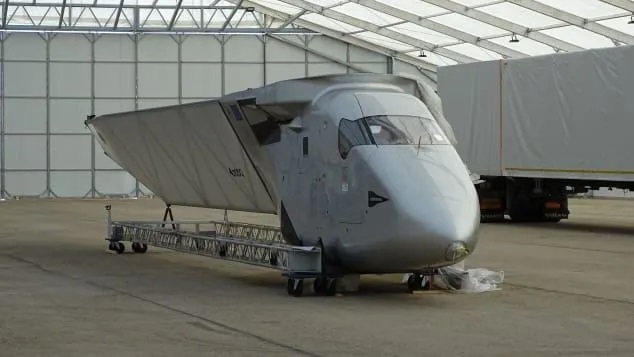
Upon landing in Honolulu, technicians removed the batteries and sent them back to their assembly plant in Germany, where they underwent extensive testing and new batteries were installed for the remainder of the journey.
As it turned out, the original batteries were not damaged by the heat, and engineers determined that the Solar Impulse 2 would be safe to fly without replacing the batteries. However, it is better to be safe than sorry.
The delay proved worthwhile from a design perspective. While the airplane was grounded, engineers adjusted the cooling system by adding a pilot-controlled airflow outlet (shown in the image above), which allows outside air to cool the batteries when necessary. The ventilation can be closed in cooler temperatures to prevent the batteries from freezing.
Aircraft May Serve as a Basis for New Projects in the Aviation Industry
Although a fully solar-powered airplane is not practical, hybrid and fully electric powertrains – whether assisted by solar energy or not – can reduce the carbon footprint of medium to small aircraft.
The research and development that the Solar Impulse team conducted and the lessons they learned will provide a boost to the aviation and automotive industries as they reach new heights in energy efficiency and electric propulsion.