Portuguese
  Spanish


Fruit rich in oleic acid, fibers, and important nutrients has gained space in meals and can be consumed in balance in sweet and savory recipes.
A fruit once viewed with suspicion because of its calories has come to occupy a new place in healthy eating.
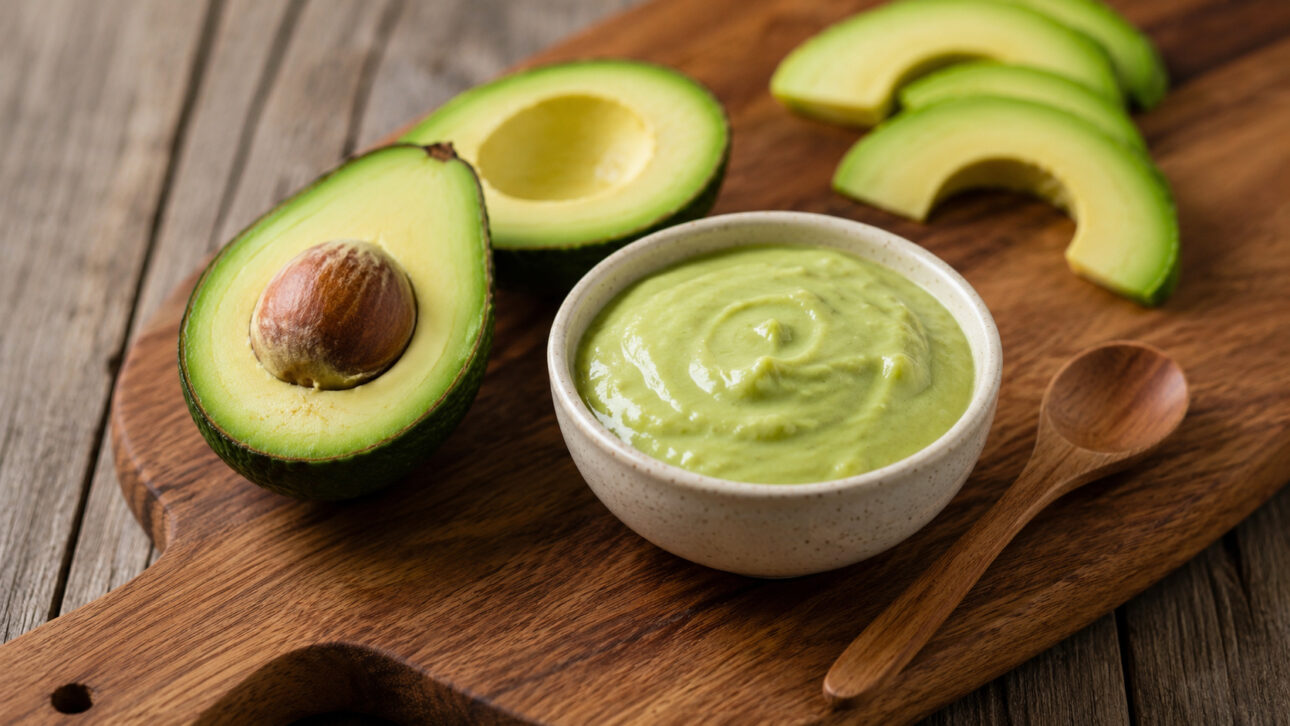
The avocado has gained popularity in breakfasts, salads, smoothies, toasts, and the traditional guacamole, mainly for its mild flavor, creamy texture, and relevant nutritional composition.
The main reason for this change is the presence of oleic acid, a monounsaturated fat also found in olive oil.
-
Brazil Secures Second Place at WorldSkills 2024 in Lyon, with 64 Young Professionals and 8 Medals, Including Gold from a Rio de Janeiro Hairdresser

-
3,000 Military Personnel from 10 Countries, Including US and Chinese Marines, Train Together in Brazil’s Savanna: Operation Formosa Becomes Largest Naval Ground Exercise Before First Cancellation Since 1988
-
UAE Sends 110 Date Palm Trees to Brazil, Signs $4 Million Deal to Boost Date Production in Bahia’s Hinterland, with Presidential Palace Receiving 10 Saplings
-
The Day the Soviet Union Forfeited Against Chile, Leading to an Uncontested Goal and a Spot in the 1974 World Cup


According to the Harvard T.H. Chan School of Public Health, avocado is a source of fiber, has a low carbohydrate content, and is rich in monounsaturated fats.
From calorie villain to valued fruit in the diet
For a long time, avocado had the reputation of being a heavy fruit, precisely because it contains more fat than other popular fruits.
Currently, nutritional studies have begun to highlight that not all fats should be treated the same way.
In the case of avocado, most of the fat is considered healthy when included in a balanced diet.
The advancement of research has helped reposition the fruit as a versatile option for different meals of the day.
Nutritional investigation reveals similarity with olive oil
Oleic acid is the main type of fat present in avocado.
This same component also appears in olive oil, a food often associated with heart-beneficial dietary patterns.
According to the American Heart Association, monounsaturated fats can be part of a healthy diet, especially when they replace saturated fats.
Even so, the consumption of avocado should respect balance and quantity, as the fruit also has a significant caloric value.
Fibers, vitamins, and minerals enhance the fruit’s value
Avocado is not only notable for its healthy fat.
The fruit also offers B-complex vitamins, as well as vitamins A, C, and E.
The nutritional composition also includes minerals such as potassium, magnesium, phosphorus, copper, and zinc.
According to USDA FoodData Central, avocado also contains dietary fibers, an important nutrient for satiety and digestive function.

How to consume avocado without overdoing it
In daily life, avocado can appear in simple and varied preparations.
Among the most common options are:
- avocado toast;
- guacamole;
- smoothies;
- salads;
- natural spreads;
- sweet recipes in moderation.
The fruit pairs with different ingredients due to its neutral flavor and creamy texture.
Health care goes beyond one fruit
Despite the nutritional benefits, avocado should not be treated as an isolated solution.
A healthy routine also depends on a balanced diet, good water intake, and regular physical activity.
In case of doubts about diet, heart health, or individual restrictions, the guidance of a doctor or nutritionist should be considered.
Avocado can be an interesting ally on the plate, but balance remains the most important point to better enjoy its nutrients.
Do you usually consume avocado daily or do you still avoid the fruit because of the calories? Share your opinion!