






 Portuguese
  Spanish


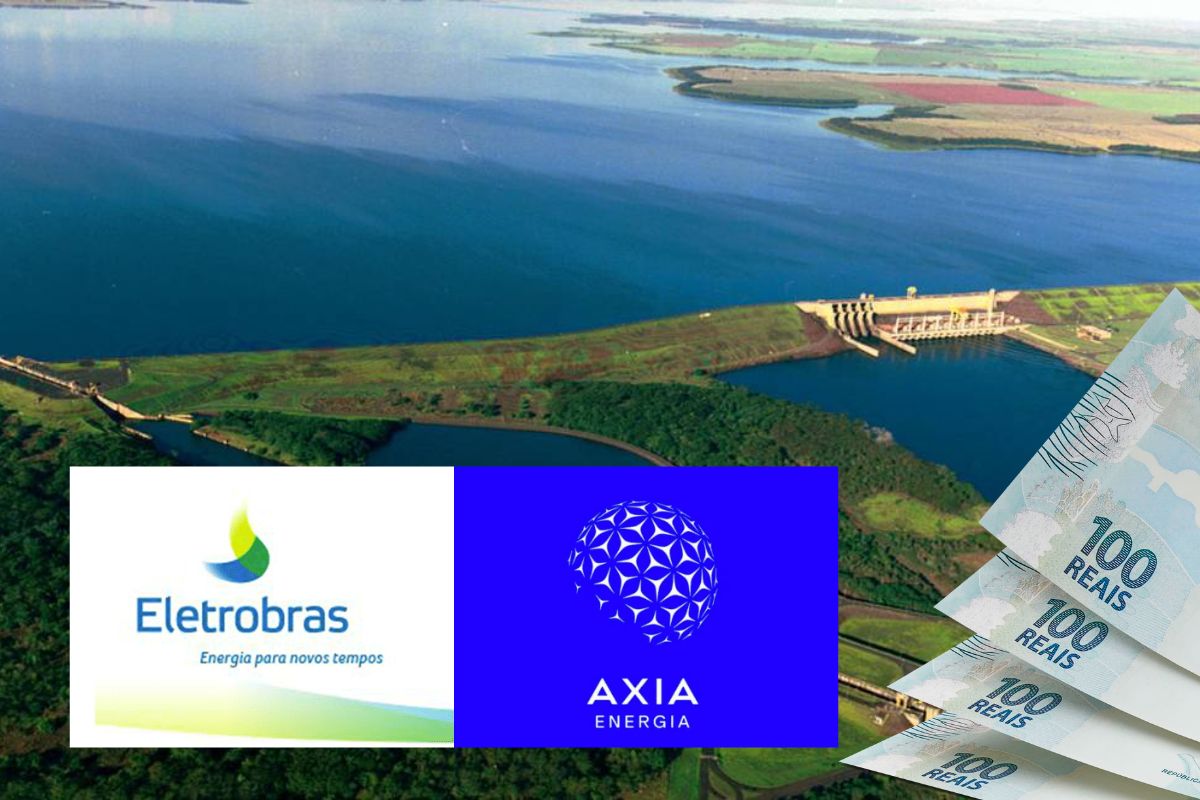

Acquisition Ends Legal Disputes and Marks New Phase for Axia, Formerly Eletrobras, in Full Control of Três Irmãos Hydroelectric Plant in Andradina (SP)
Axia Energia, the new name for Eletrobras, officially announced on Wednesday, 29, the acquisition of 50.1% of Tijoá Energia, consolidating full control of the Três Irmãos Hydro Plant, located in Andradina (SP). The value of the agreement with Triunfo Participações e Investimentos (TPI) and Mercúrio Participações e Investimentos was R$ 247 million, ending a dispute that had been ongoing since 2021.
With the transaction, the company now holds 100% of the hydroelectric concession, one of the most important on the Tietê River, with an installed capacity of 808 megawatts. This move concludes years of corporate and legal impasse and reinforces the company’s strategy to enhance efficiency and simplify its energy generation structure.
Deal Consolidates Full Control of Três Irmãos Hydroelectric Plant
According to a statement from Axia to the Comissão de Valores Mobiliários (CVM), the agreement allows the company to fully consolidate the operation of the Três Irmãos Hydroelectric Plant, governed by the quota system, with a concession valid until 2044.
-
At 14 years old, she worked in a factory in Hong Kong, studied economics abroad, and then entered the Chinese real estate market, which helped change the landscape of Beijing.

-
While NATO secured more than $10 billion in missiles and space surveillance at a single forum, Brazil still spends 1.1% of its GDP on defense and is stalling its own anti-aircraft system.

-
Corn ethanol attracts R$ 23 billion in 21 new plants and prepares for a nearly 50% jump in Brazilian production by 2027, even with high interest rates.
-
A newly opened terminal in the middle of the Amazon has begun transporting soy and corn through Amapá, eyeing the queue of ships that is congesting the ports in the South.


In 2024, the venture reported annual revenue of R$ 320 million and Ebitda of R$ 136 million, remaining debt-free.
The operation also includes the recovery of approximately R$ 390 million in legal deposits, previously tied to arbitration and legal disputes among the former controllers.
With this outcome, Axia eliminates uncertainties that had limited the governance of the plant and opens space for future expansion investments.
Hydroelectric Structure Allows Future Expansion
The Três Irmãos plant, located on the Tietê River, is already equipped with infrastructure prepared for the installation of three new generating units, which could increase its installed capacity in the coming years.
This expansion potential is seen by the company as a strategic asset, given the growing demand for clean and predictable energy in the national interconnected system.
Total control also favors operational and financial integration with other Axia units, allowing for portfolio optimization and greater capital allocation efficiency.
The company emphasized that the transaction aligns with its Long-Term Strategic Plan, which prioritizes value generation, risk mitigation, and corporate simplification.
End of Disputes and Focus on Long-Term Value
The conflicts over control of Tijoá Energia had been dragging on since 2021, involving arbitrations and lawsuits that pitted the former Eletrobras against the controlling funds of Juno Participações.
The R$ 247 million agreement ends this cycle and strengthens the position of Axia as the full operator of the Três Irmãos Hydroelectric Plant, eliminating legal and administrative barriers.
With the completion of the deal, the company reinforces its focus on operational solidity and transparency, in line with the repositioning of brand and governance following the restructuring process of the former Eletrobras.
And for you: can the total consolidation of large hydroelectric plants by private companies make the energy sector more efficient or too concentrated?








