






 Portuguese
  Spanish


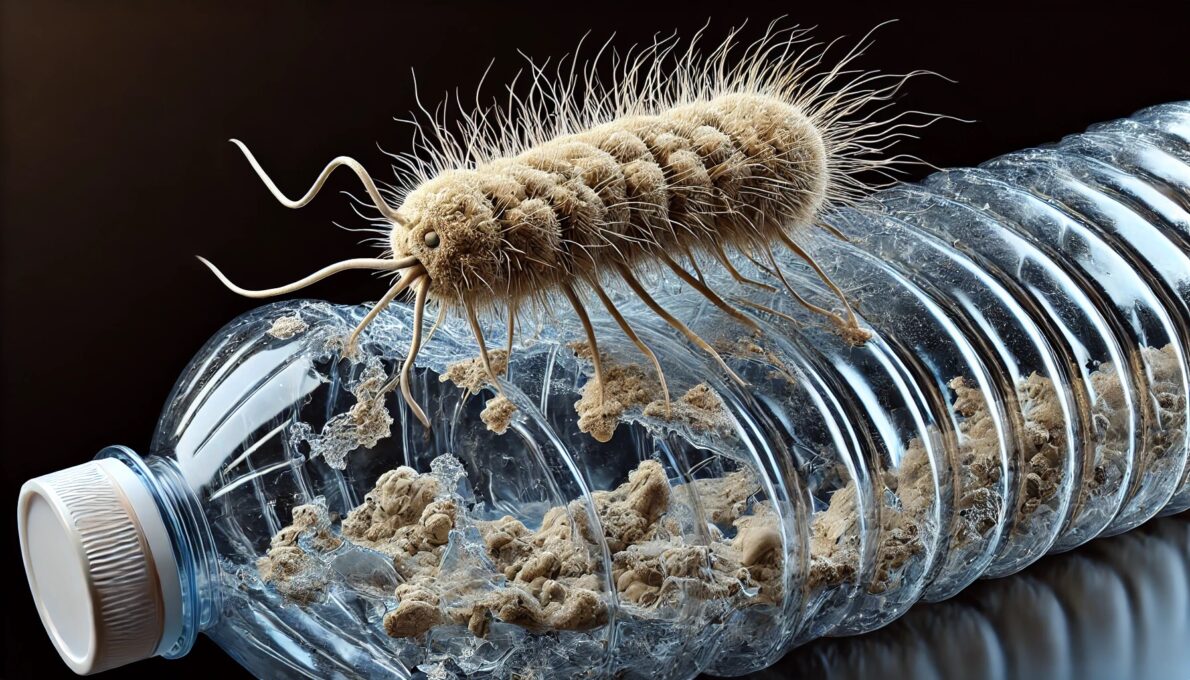


Researchers Discover Bacteria That “Eat” Plastic and May Be the Key to Combatting Environmental Pollution. The Study from Northwestern University Focused on the Bacteria Comamonas Testosteroni Found in Wastewater, Capable of Breaking Down Common Plastics Such as PET.
Did you know that some wastewater bacteria can actually “eat” plastic? That’s right! Recently, a study from Northwestern University revealed an incredible discovery: a family of bacteria called Comamonadaceae, present in environments such as urban rivers and wastewater treatment systems, can degrade plastic and use it as food. These “plastic-eating bacteria” are opening new possibilities for combating environmental pollution, especially plastic pollution that affects our seas and rivers.
The study focused on the bacteria Comamonas testosteroni, which breaks down common plastics like PET (used in bottles and packaging) into small particles, turning plastic into a carbon source that fuels its growth. Let’s understand better how these wastewater bacteria are changing the way we view plastic waste and the positive impact they can have on nature.
How Do These Bacteria Manage to Eat Plastic?
The first question that comes to mind is: how do these bacteria manage to “eat” plastic? Essentially, the process is divided into three steps. First, the bacteria start to fragment the plastic into very small pieces, known as nanoplastics. Next, they secrete a special enzyme that can break down these particles even further. And what was plastic waste transforms into food: the bacteria utilize the carbon atoms from the plastic to grow and reproduce.
-
Oceanographer Turns Abandoned Fishing Nets from Brazilian Waters into Bags, Creating Jobs and Earning Over $7,000 Monthly

-
Australia deploys poisoned sausages and uses traps, shooting, and fences in a battle against invasive cats that kill over 1.5 billion native animals annually, threatening more than 200 species.

-
NASA Rover Captures “Tired Face” on Mars, Highlighting Human Brain’s Tendency to See Faces in Rock Formations

-
Ancient Stone City in the Desert, Once Home to 30,000, Puzzles Scientists with Nabateans’ Water Mastery 2,000 Years Ago




This discovery is a significant advancement in the fight against environmental pollution. Researcher Ludmilla Aristilde, who led the study, explains that this capability of the bacteria can be optimized to develop new environmental cleanup solutions. Just imagine: using these plastic-eating bacteria to clean waste in areas where it’s difficult to remove plastic pollution!
The Impact of Plastic Pollution and the Importance of Wastewater Bacteria
Plastic pollution is one of the world’s biggest environmental problems. Plastics, especially PET, are extremely durable and practically do not decompose in the environment. They account for about 12% of all plastic used globally, and up to 50% of the microplastics we find in wastewater are made of PET. This means microplastics are abundant in water treatment systems and end up escaping into rivers and oceans, harming wildlife and, consequently, the ecosystem.
Wastewater bacteria play a key role in this process, as they can directly act in the decomposition of these wastes. As Aristilde explained, many of these nanoplastics do not arrive at the treatment stations already in small particles, but are formed during the water treatment itself through bacterial activity. That is, bacteria like Comamonas testosteroni are indeed transforming plastic into smaller pieces that end up spreading throughout the environment.
How Was the Discovery Made?
To understand how these wastewater bacteria interact with plastic, the team led by Aristilde conducted a series of experiments. They cultured Comamonas bacteria on PET fragments, observing how the surface of the plastic changed over time. Using advanced microscopy techniques, they were able to see the plastic being fragmented into smaller and smaller pieces.
The researchers also analyzed the water around the bacteria to confirm the presence of nanoplastics formed while the bacteria were “chewing” the PET. Inside the bacterial cells, the researchers identified enzymes responsible for this process. By neutralizing one of these enzymes, they noticed that the bacteria’s ability to degrade plastic decreased dramatically, confirming the essential role of this protein.
The Key to Combatting Environmental Pollution?
What does this discovery mean for the future of combating environmental pollution? It shows that it is possible to develop technologies based on bacteria that, in a natural way, help remove plastic waste from the environment. In the case of wastewater bacteria, we already know that they can transform PET plastics into carbon sources that fuel their metabolism.
What makes this bacterium a “natural ally” is the fact that it feeds on one of the most prevalent pollutants in our society: plastic. If we can optimize the process, these plastic-eating bacteria could be applied efficiently in natural environments, such as rivers and lakes, helping to reduce the amount of waste that pollutes these waters.
Bacteria and Biotechnology
Using bacteria to solve environmental problems is not a new concept, but the study highlights the specific potential of Comamonas bacteria in the fight against plastic pollution. This opens doors for biotechnology in waste treatment, a research field that could transform how we clean our rivers and oceans.
Environmental engineering has been exploring for some time the possibility of creating cleanup systems based on living organisms that are cheaper and more sustainable than conventional waste removal methods. Imagine treatment plants that, in addition to filtering water, use bacteria to reduce the amount of plastics present in the system. Thus, biotechnology applied to combating environmental pollution becomes an ally in building a more sustainable future.
A Discovery That Could Change the Planet
The fight against plastic pollution is among the major global challenges. Micro and nanoplastics have already made their way into our air, water, and even the food we consume. The work of Aristilde’s team shows that bacteria can be a viable tool to tackle this problem.
If we invest in developing systems that utilize these wastewater bacteria, we could have a new form of “cleanup” for plastics in the environment. Not only would we be reducing the impact of plastic pollution in our waters, but we would also be promoting a natural and efficient recycling cycle. And the best part: all this without the use of harmful chemicals.





Sim muito importante conseguir tecnologia bio, é futuro.Pois tudo deve retornar para Natureza essa Mãe Generosa. Não podemos criar barreiras, aonde a Ciência avança
Me fez pensar em fabricar as enzimas a partir destas bactérias, coisa simples e com elas combater o plástico, qual a vantagem ? Velocidade de 6 meses para 3 horas, vamos ver.
Sou completamente leiga no assunto
O meu medo é que se essa bactéria comer plastico,receio o que ela possa fazer no nosso organismo que muito mais frágil que o plastico
Relaxe