Portuguese
  Spanish




The name on the document does not prevent driving, but the vehicle’s regularity and the driver’s license remain decisive
Driving a car registered in someone else’s name is a common situation in Brazil and, as a rule, does not represent irregularity. The driver does not need to be the owner of the vehicle to drive, as long as they have a valid driver’s license compatible with the category, and the car is in regular condition. This rule applies to cars of family members, spouses, friends, companies, rental agencies, or vehicles borrowed in common everyday situations. The central point, therefore, is not the name printed on the document, but the driver’s ability to prove they are licensed and that the car has no impediments to circulation.
Regular documentation avoids problems during inspections
Traffic legislation does not require the driver to be the owner of the vehicle, but it mandates that mandatory documents are in order during circulation. The driver must present a valid driver’s license and an updated physical or digital CRLV whenever proof is needed. The annual licensing also needs to be paid, because the lack of this regularity can lead to the retention or removal of the vehicle. Inspections usually do not create problems just because the owner and driver are different people. The risk arises when there are pending issues, blocks, restrictions, or outdated documentation.
Mandatory items need to be checked before driving
Pre-checking the vehicle reduces hassles and helps the driver avoid problems at checkpoints, during trips, or routine stops. Before driving a car registered in someone else’s name, it is important to check a valid driver’s license compatible with the category, updated CRLV, up-to-date licensing, regular plates, mandatory equipment, and the absence of administrative blocks. This simple check prevents situations that can turn a common loan into a headache. The vehicle’s regularity remains the most relevant factor for allowing safe and legal circulation.
-
At 17, she hand-painted her first watercolor design for school uniforms; her brand grew without investors, sold 135,000 pieces, and aims for $3 million in revenue by 2026.

-
Shell Discovers Intact Early 19th-Century Wooden Shipwreck in the Gulf of Mexico at Over 1,300 Meters Deep
-
Brazilian Entrepreneur Turns Door-to-Door Jewelry Sales into a Family Business Empire with Over 70 Stores

-
$75 Million Bridge in Brazil Opens to Connect Cities, Create Jobs, and Cut Travel Time from 30 to 2 Minutes; Spanning 1.24 km, It’s Among the Country’s Largest and Ends Decades of Ferry Queues.




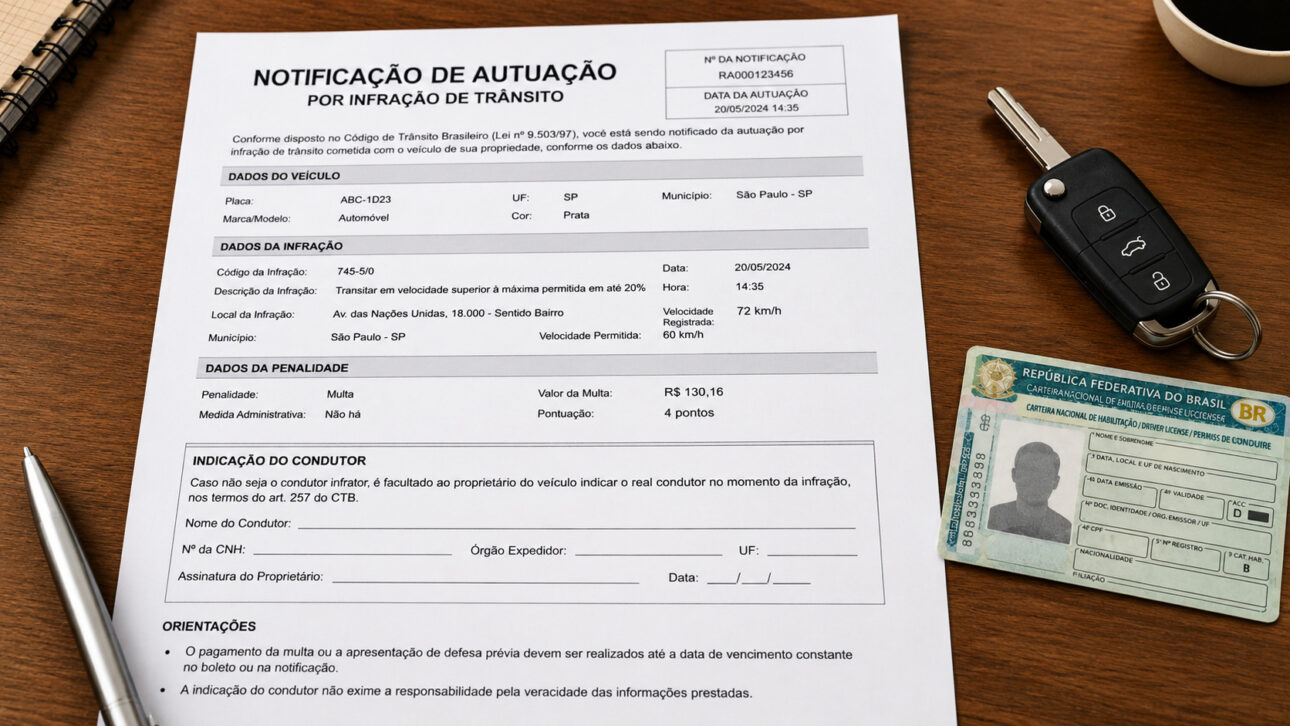
Owner’s Authorization Can Avoid Specific Doubts
For common use within the country, the driver usually does not need to carry written authorization just because the vehicle is registered under another person’s name. However, the owner’s consent is still advisable, especially when the car is borrowed from a friend, distant relative, or company. Long trips, business use, vehicle retrieval from a yard, or circulation outside the usual routine may justify a simple authorization to avoid doubts. Situations involving possession disputes, suspected theft, or judicial blocking are no longer just traffic issues and involve the origin of the car’s use.
Fines Remain Linked to the Registered Owner
When an infraction is recorded by the vehicle, the notification usually goes to the owner listed in the official registry. Infractions that require driver identification can be transferred to the responsible driver, provided the owner indicates who was driving within the stipulated period. This organization is important because not all fines automatically go to the person who was driving. In practice, the owner and driver need to maintain clear communication to avoid undue points, unexpected charges, or administrative difficulties.
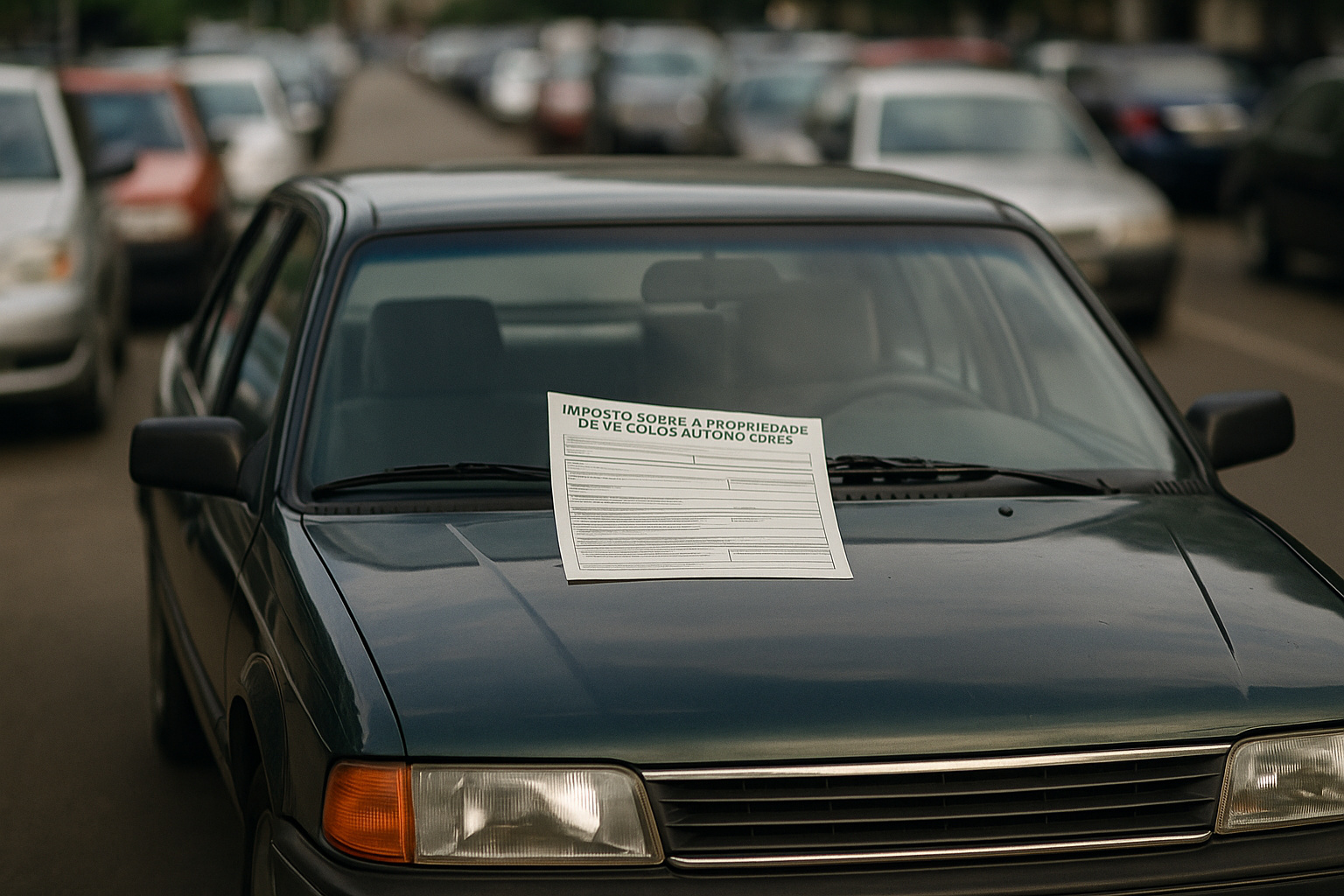
Irregularities in the Vehicle Can Lead to Retention or Removal
The problem arises when the car has overdue licensing, administrative restrictions, judicial blocking, theft record, or outdated documentation. Even with a properly licensed driver, these issues can prevent circulation and lead to administrative measures. Buying and selling without transfer also requires attention, as the new user may be exposed to fines, old debts, and difficulties in proving ownership. Ideally, the transfer should be regularized within the legal timeframe and the CRLV updated.
Regularity Determines if the Driver Can Circulate Without Risk
Driving a car on behalf of someone else is allowed when there is consent from the owner, proper licensing, and documentation in order. The main concern is not the name on the document, but the legal status of the vehicle, responsibility for fines, and the legal security of the person using the car. Prior checking of licensing, restrictions, and documents prevents problems and makes the use of the car safer.
Do you usually check the documentation before driving a borrowed vehicle, or do you only realize the risks during an inspection?