Portuguese
  Spanish


Bahia Government Regulates Community Solar Plants to Bring Clean and Sustainable Energy to the Riparian Islands of the São Francisco River
The Bahia has taken an important step in the development of sustainable energy, as it has established rules for deploying community solar plants in the riparian islands of the São Francisco River.
Thus, the State Government seeks to provide electricity safely and reliably to communities that have faced difficulties accessing electricity for decades.
Additionally, this project stands out not only for its technological innovation but also for its social and environmental commitment, integrating modern solutions to the needs of local populations.
-
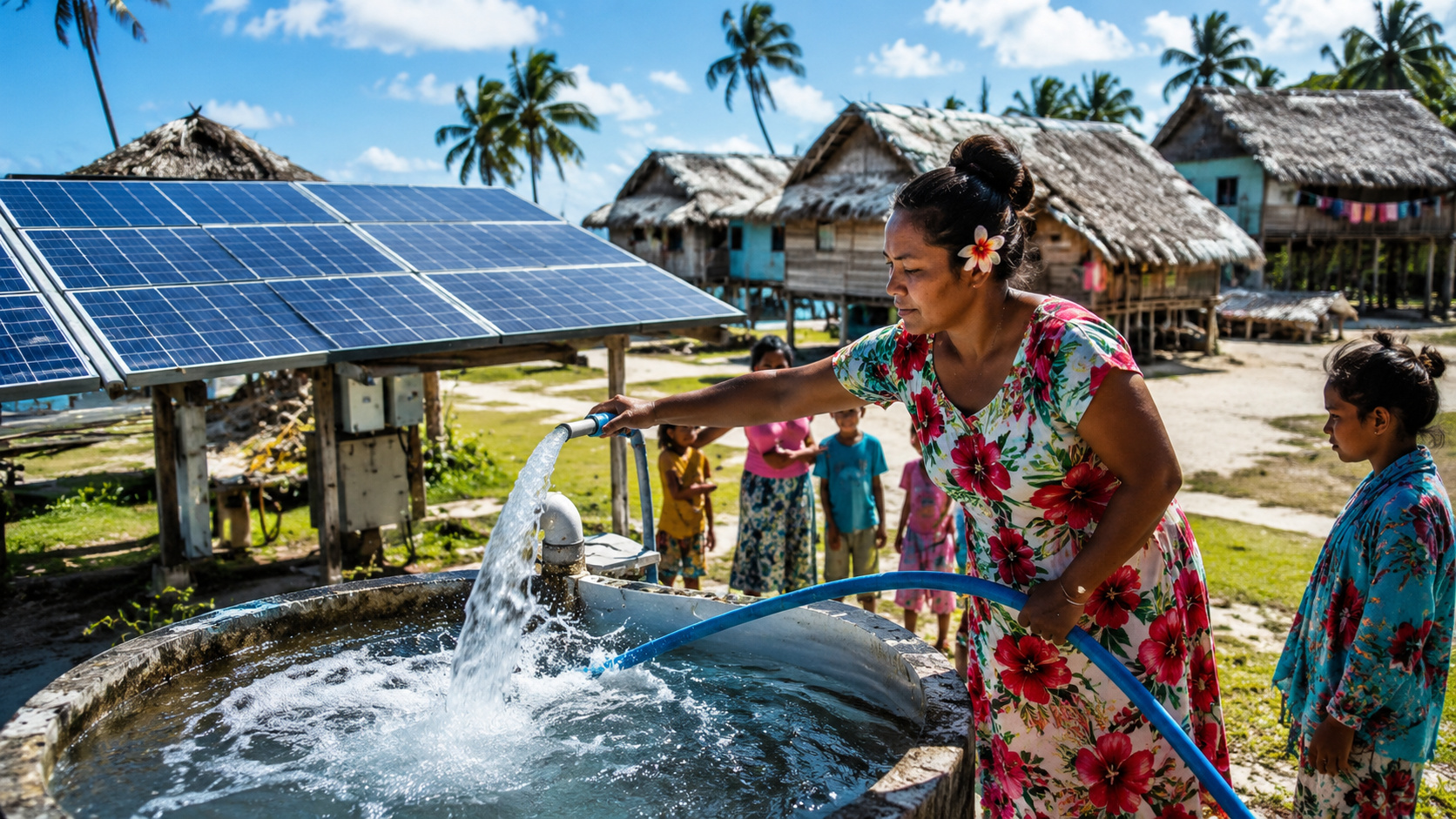
More than 1,000 residents of a remote island in Kiribati now have clean water and electricity with solar systems operated by the community itself.

-
Island in Brazil Innovates by Installing 184 Solar Panels on Urban Lagoon to Generate Clean Energy
-
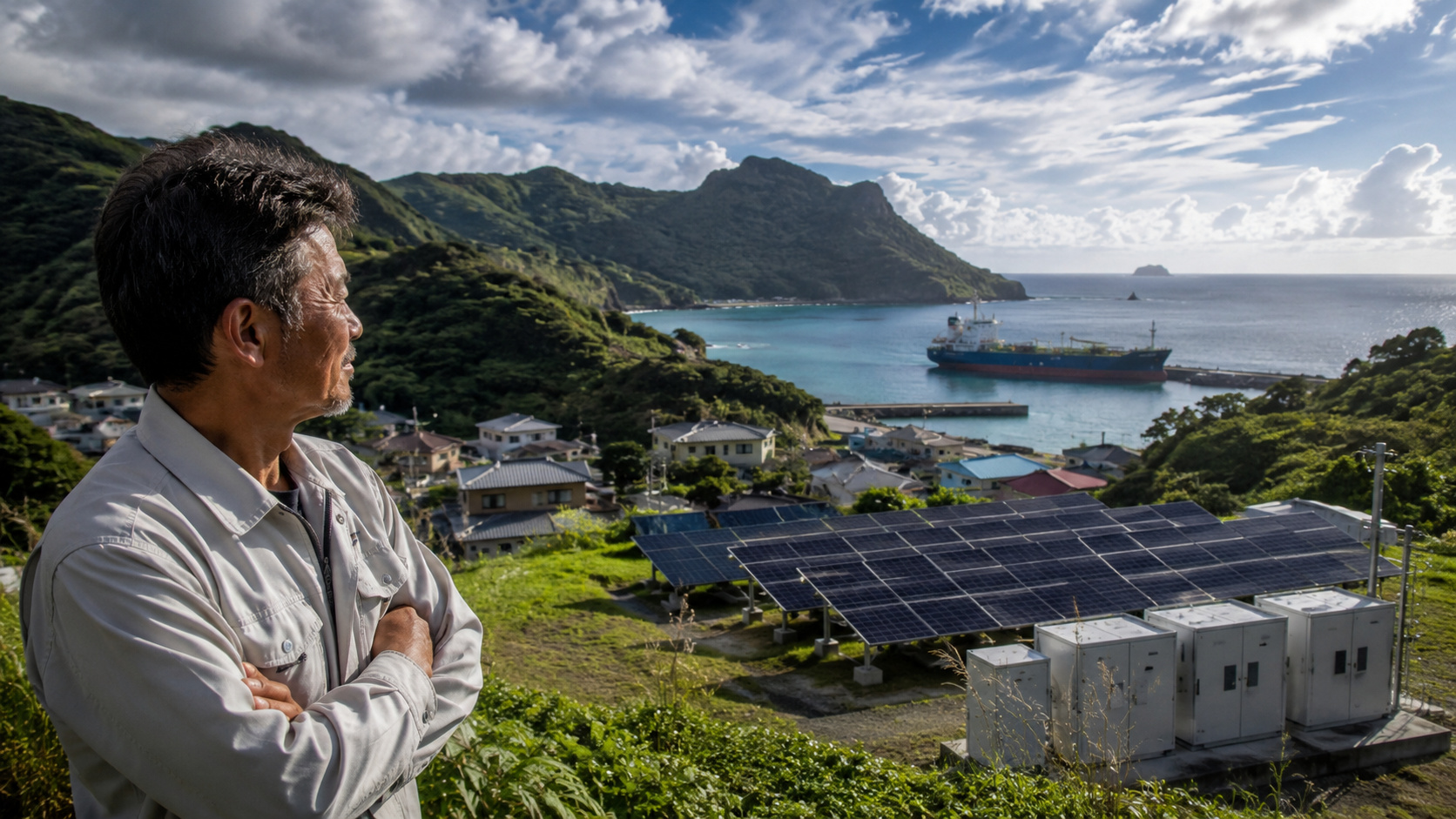
Japanese Island of 417 Residents to Test Living Half the Year Solely on Solar Power, Reducing Dependence on Diesel Brought by Ship
-
Brazilian Fishermen Use Solar Power to Produce Nearly One Ton of Ice Daily, Preventing Fish Spoilage Before Reaching Market


Historically, the São Francisco River has played a central role in the economic and social formation of the Northeast region of Brazil.
Its waters have allowed the emergence of riverine communities that depend on fishing, family farming, and small-scale activities.
However, these locations have always faced infrastructure limitations, including the absence of adequate electrical distribution networks.
For decades, families in these islands used improvised generators, kerosene lighting, or outdated individual solar kits.
The efficiency of these devices no longer met modern demand. Therefore, the lack of regular electricity directly harmed the quality of life, education, and local economic activities.
In light of this scenario, the Bahia Government, through the Secretariat of Infrastructure (Seinfra) and the Superintendence of Energy and Communications (SUPEC), developed a service instruction that establishes the technical and operational requirements to install community solar plants.
This proposal enables solutions for distributed generation, integrated into isolated microgrids, known as off-grid systems.
This configuration ensures autonomy and reliability in energy supply. Thus, this initiative marks a significant advance in the universalization of access to electricity in historically underserved regions.
In addition to meeting residential demand, the project seeks to stimulate local economic activities and sustainable development.
Consequently, the continuous supply of energy will allow small businesses to thrive, generating income and increasing community autonomy.
In this way, community solar plants become instruments of social transformation, as they combine technology, economy, and well-being.
Selection of Islands and Estimated Consumption
The project prioritizes four islands of the São Francisco River located in the municipalities of Ibotirama and Xique-Xique: Ilha da Grande Ibotirama, Ilha da Gado Bravo/Saco, Ilha da Champrona, and Ilha da Pestana.
In these locations, each consumer unit uses an average of 250 kWh per month. This volume is sufficient to meet household needs, provide efficient public lighting, and still allow for the development of productive activities, such as irrigated family agriculture.
Thus, the focus on social inclusion and environmental sustainability highlights the government’s concern in aligning technology, economy, and community well-being.
The use of photovoltaic solar energy proves strategic for the region, considering the high levels of solar radiation.
Therefore, the installation of community plants will allow families to use clean energy consistently, reducing dependence on fossil fuels and preserving the environment.
Additionally, the integration with battery energy storage systems (BESS) ensures a minimum autonomy of 24 hours. This keeps energy available even during periods without sunlight.
Another fundamental aspect of the project involves compliance with technical standards and certification.
Photovoltaic modules, inverters, controllers, and LED lights must adhere to the standards of ABNT and INMETRO.
Thus, this attention to standardization and technical quality ensures the energy efficiency of community solar plants.
It also extends the lifespan of equipment, reduces maintenance costs, and increases operational safety.
Furthermore, the project provides for continuous monitoring of plant performance.
This allows technicians to quickly identify any faults.
The technology for remote monitoring enables real-time adjustments, increasing the system’s reliability and preventing prolonged interruptions in energy supply.
Thus, this approach strengthens the concept of energy resilience in riverine communities, making them less vulnerable to technical or climatic problems.
Sustainability and Environmental Responsibility
The project incorporates principles of social and environmental responsibility.
Thus, the management of the end-of-life of equipment follows the National Solid Waste Policy. Manufacturers, importers, and suppliers must implement reverse logistics systems.
In this way, photovoltaic modules, batteries, and LED lights will not end up in landfills or protected areas. This avoids negative environmental impacts and encourages a circular economy.
Historically, electrification initiatives in remote areas in Brazil have always faced challenges related to the extension of conventional networks.
Therefore, the technical and economic impossibility of bringing transmission lines to isolated islands of the São Francisco River made distributed generation a viable and necessary solution.
Moreover, the experience gained from previous community solar energy projects in other regions of the country helped shape this policy in Bahia. This ensures that the solutions adapt to local conditions.
The social impact of community solar plants goes beyond providing electricity.
With reliable energy, schools and health posts operate fully, offering essential education and health services.
Additionally, efficient public lighting improves community safety, while continuous access to energy enables previously limited economic activities, such as refrigeration of fish, irrigation of small properties, and food processing for family agroindustry.
The implementation of the plants also generates opportunities for integration with environmental education programs.
As a result, children and youth from the islands learn about renewable energy, sustainability, and conservation of natural resources. This makes them agents of transformation in their communities.
Thus, the project meets the energy needs and contributes to the formation of a new generation aware and prepared for future challenges.
Training and Local Development
The project creates opportunities for technical training for local populations.
Thus, the maintenance and operation of the plants require technical knowledge, promoting the formation of professionals in the field of renewable energy.
Additionally, this technology transfer ensures the project’s long-term sustainability, making communities protagonists of their own energy development.
By regulating the establishment of community solar plants, Bahia becomes a reference in the utilization of solar energy in geographically isolated contexts.
In this way, the initiative modernizes the energy infrastructure of the riparian islands and reinforces commitments to social justice, environmental sustainability, and regional development.
Therefore, this model inspires other Brazilian states, showing that technology, combined with structured public policies, can transform the lives of historically marginalized communities.
Moreover, the adoption of smart microgrids allows different energy sources to integrate in the future.
This paves the way for hybrid systems that combine solar, wind, or biomass.
Thus, this flexibility ensures that communities can expand their energy capacity without relying exclusively on a single source.
This increases the supply security and resilience.
Social Impact and Sustainable Future
In summary, the community solar plants in the islands of the São Francisco River combine technological innovation, strategic planning, and social responsibility.
By integrating distributed generation, off-grid microgrids, and battery storage, the project offers a technically efficient solution, economically viable, and environmentally sustainable.
Thus, the focus on universal access to electricity strengthens social inclusion, improves quality of life, and promotes the economic development of riverine communities.
At the same time, attention to technical standards, equipment certification, and waste management ensures the durability and safety of the system.
The history of challenges faced by riverine communities highlights the importance of public policies aimed at renewable energy.
Therefore, Bahia, by implementing these measures, reaffirms its commitment to sustainability, innovation, and human development.
Thus, community solar plants represent not only an infrastructure project but a strategy for social transformation.
They are capable of boosting the local economy, strengthening education and health, and ensuring a fairer and more sustainable future for the populations of the São Francisco River.