






 Portuguese
  Spanish


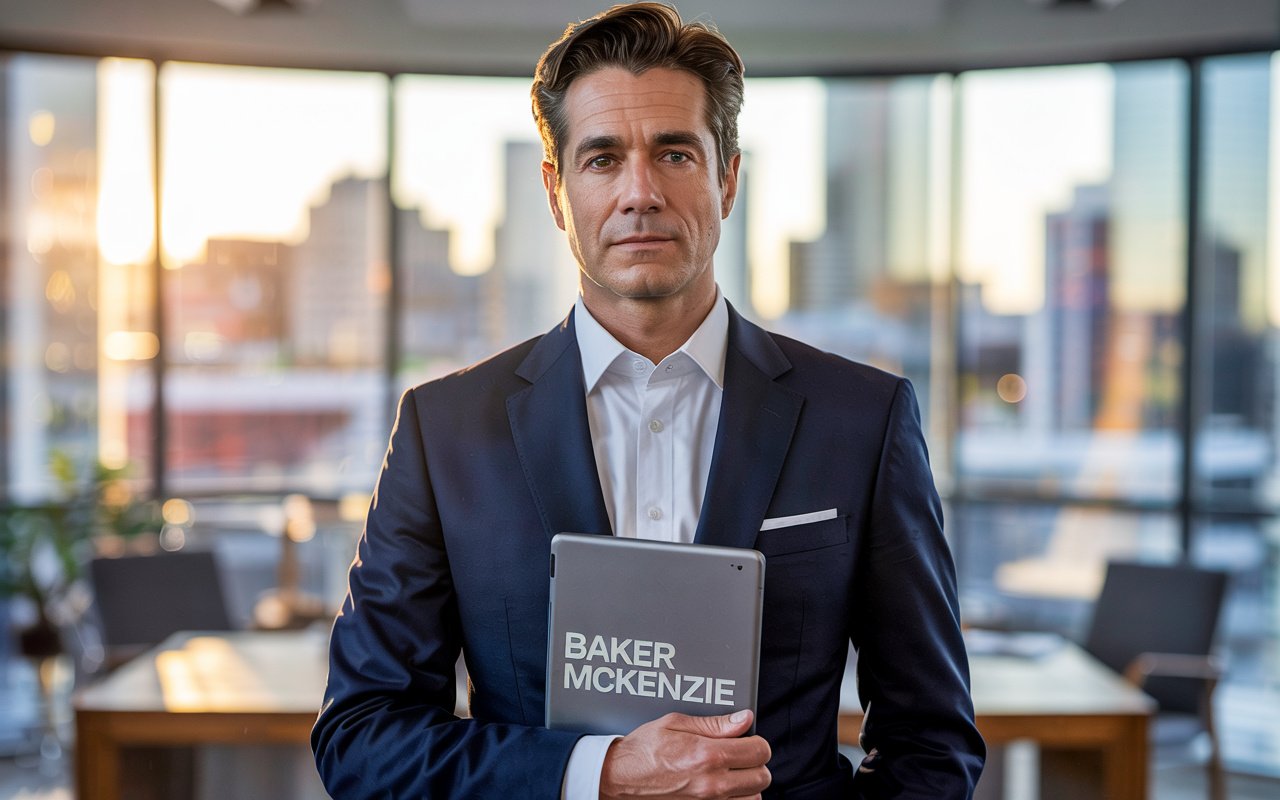


Brazil Hires Baker McKenzie, Largest Law Firm in the U.S., to Defend Itself in American Investigation for Unfair Trade Practices Based on Section 301.
The Brazilian government has turned to one of the largest law firms in the world to face a delicate diplomatic and commercial challenge: the investigation opened by the United States, at the request of Donald Trump, regarding trade practices deemed “unfair” by Brazil. The Baker McKenzie, the largest law firm in the U.S., will be responsible for defending the country in disputes related to Section 301 — a provision of U.S. legislation that allows for unilateral sanctions in the case of alleged barriers to trade.
The contract between Itamaraty and Baker McKenzie is not new: established five years ago and currently in its fifth addendum, the agreement is in effect until January 2026 and provides for fees of US$ 275 thousand, paid according to the services rendered.
This partnership extends to litigation and legal advice in international disputes, especially with the World Trade Organization (WTO), where the firm has defended various countries and companies in highly complex cases.
-
Former Banker Invests $24,000 to Create Award-Winning Burgers with Unique Brazilian Ingredients, Drawing Customers from Across Regions

-
Imported Electric and Hybrid Cars in Brazil Face 35% Tax Increase, Raising Prices Starting July 1st
-
Rio de Janeiro Buses Stop Accepting Cash: How to Pay and Maintain Fare Integration

-
Toll Fees in São Paulo’s Countryside Drop by Up to 50% Starting Today




Baker McKenzie Defense Brazil: Who Is the Firm That Enters the Scene
Headquartered in Chicago and with a presence in 70 offices across 46 locations worldwide, Baker McKenzie has been recognized as the largest law firm in the United States in the Thomson Reuters ranking for 12 consecutive years. It has more than 4,000 attorneys and a client portfolio that ranges from giants like Apple to governments of different countries.
In Brazil, the firm has already provided legal advice in cases involving antitrust legislation and intellectual property.
Abroad, it has participated in high-profile disputes, such as defending Rockit Global in a plagiarism case in China, as well as litigation in Sweden and consulting on mergers and acquisitions in New York.
Brazil Commercial Investigation U.S.: What Is at Stake with Section 301
The crisis escalated on July 15, when the USTR (United States Trade Representative) officially opened an investigation against Brazil based on Section 301. This provision allows Washington to adopt unilateral retaliations — without the need for negotiation — against countries accused of unfair trade practices.
The investigation aims to uncover Brazilian policies that, according to the Trump administration, would harm “American companies, workers, farmers, and technology innovators.” A public hearing is scheduled for September 3, and the deadline for submitting comments and testimonies ends on August 18.
This move rekindles trade tensions between the two countries and could have significant impacts on sectors such as agribusiness, manufacturing, and technology, should retaliatory measures be implemented.
Brazil’s Defense Plan: The Role of Baker McKenzie
Itamaraty has confirmed that Baker McKenzie will provide legal advice on issues involving the WTO and potentially in interactions with U.S. authorities and institutions. The current contract provides support in disputes, drafting technical arguments, and representation in international hearings.
According to government sources, the choice of the firm is due to its global experience and political weight in the United States, which is crucial at a time when Brazil needs influence and credibility to defend itself against accusations of unfair trade.
This is not the first time Brazil has turned to American law firms for strategic cases. The Attorney General’s Office (AGU) is studying hiring another legal group to defend Minister Alexandre de Moraes of the Supreme Court in actions in the U.S.
However, in the case of Section 301, the dispute has much broader implications, as it involves Brazil’s image as a trading partner and the balance of bilateral relations in a time of global instability.
Section 301 WTO: A Technical and Political Battle
Although the investigation was opened based on an American law, Brazil’s defense may seek support in international treaties and WTO rules. Section 301 has historically faced criticism precisely for allowing unilateral actions by the U.S. without multilateral mediation.
With Baker McKenzie’s expertise, Brazil gains a partner capable of deconstructing technical accusations, presenting evidence, and engaging with American authorities at a high level, as well as operating in global forums.
What to Expect from the Next Stages of the Dispute
By September, the USTR is expected to collect comments and prepare a preliminary report on the allegations against Brazil. The Brazilian government, with Baker McKenzie’s support, will have to build a solid defense line to avoid tariff sanctions that could impact exports and key sectors of the economy.
Even though the dispute is in its early stages, experts indicate that the tone adopted by Donald Trump regarding trade barriers is likely to be harsher than in previous administrations, increasing pressure on Brazil.
The choice of Baker McKenzie as Brazil’s defender in the face of the American investigation marks a decisive moment. The country is facing an accusation that could result in billion-dollar retaliations and seeks, with the largest law firm in the U.S., the best possible structure to respond to the allegations.
The case highlights how international trade disputes involve not only tariffs and exports but also diplomacy, international law, and political strategy. In the coming months, the actions of Baker McKenzie and the stance of Itamaraty will be crucial in determining whether Brazil can avoid sanctions or will face a more challenging scenario in its relations with the United States.





O vergonhoso e triste é ver tantos brasileiros aqui nos comentários mesmo contra o Brasil só sabem reclamar as vezes o Brasil “não vai pra frente” como vocês mesmo dizem pq não se unimos pra parar de reclamar e apoiar o Brasil onde tem que apoiar e cobrar não criticar onde tem que cobrar.
E aqui vemos tbm o exemplo do esgoto da sociedade onde as pessoas invés de debater o caso ja chega chingando um a o outro.
Não existe defesa para o Brasil nesse caso, o Brasil está na contramão de acordos internacionais dos quais países democráticos são submetidos, regras que garantem a democracia, Direitos Humanos, respeito ao câmbio e acordos monetários entre outros. E no caso do Brasil muitos desses acordos são desrespeitados colocando em risco a economia de outros países. Como a ideia de Lula de querer criar uma moeda no BRICs para desestabilizar o Dólar, como as prisões do 08 de janeiro que desrespeitam tanto no processo civil quanto na carceragem os indivíduos, o desrespeito ao devido processo legal e a nossa Constituição e por aí vai… Quem sairá ganhando é o escritório de advocacia que mesmo perdendo a causa irá r3ceber os honorários.
A República Federativa do Brasil, não pode contratar advogados para defender Alexandre de Moraes, irá abrir um precedente muito perigoso, além de comprovar um elo entre o governo **** e o STF, como puxadinho do PT. O correto seria um o ministro responder a um processo administrativo para apurar as denúncias. O CNJ é o órgão ideal para apuração.