






 Portuguese
  Spanish


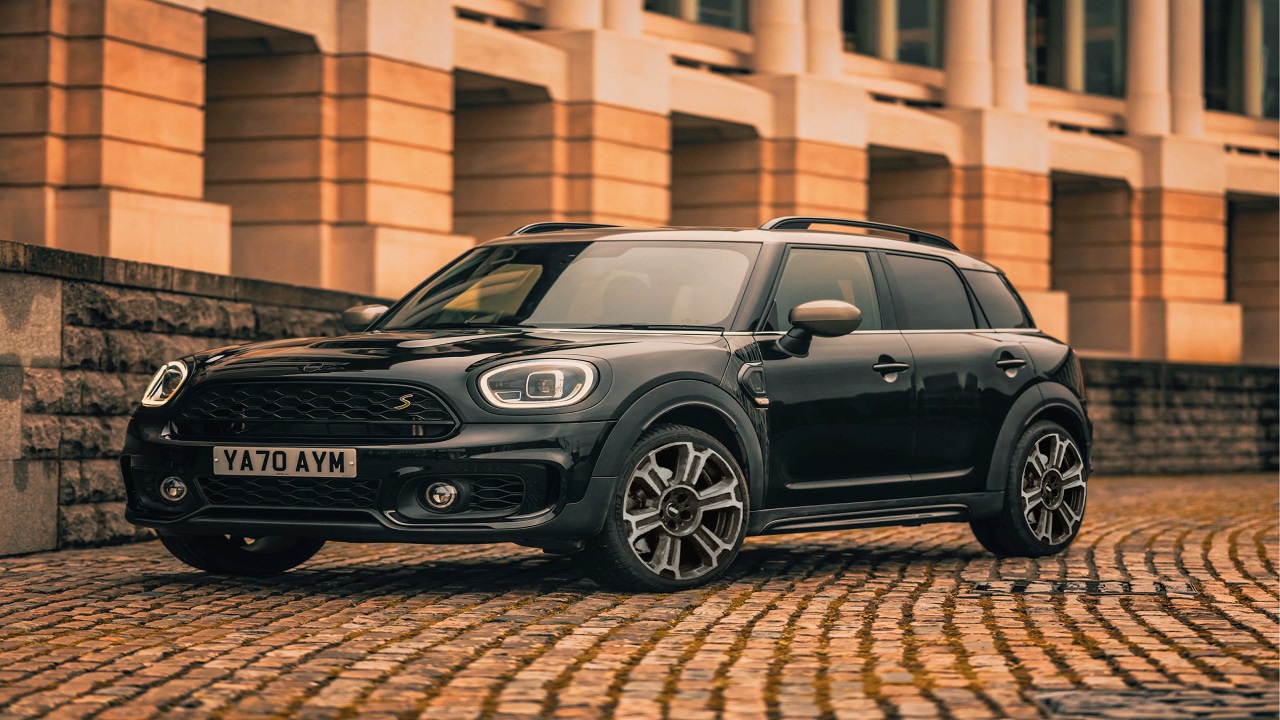

Banco do Brasil Started Offering Financing for Electric and Hybrid Cars in the Country to Encourage Sustainability and in Support of World Environment Day.
To promote the purchase of electric cars in the country, Banco do Brasil announced a reduction of up to 0.5% in interest rates for financing electric and hybrid cars, up to two years old or new. The initiative focuses on acquiring vehicles that use clean energy and that do not emit pollutants, in addition to contributing to the expansion of Banco do Brasil’s sustainable business portfolio, which has already surpassed R$ 289 billion in balance. With a 10.8% growth in one year, this amount accounts for nearly one third of BB’s entire credit portfolio.
Credit Line Can Be Paid in Up to 60 Months
The minimum rates for BB’s financing line for electric and hybrid cars are 1.09% per month. Up to 100% of the vehicle’s value can be financed, with installments from 2 to 60 months, and with availability of a grace period of up to 180 days before the first payment.
According to the director of the loan sector, Daniela Avelar, the initiative is part of a new phase of Banco do Brasil’s business in the vehicle financing market, which anticipates other actions and improvements for this year.
-
Thinking of Installing LED Headlights? Why Replacing Halogen Bulbs is Still Banned, the Glare Risks Authorities Worry About, and How a New Proposal Could Allow Certified, Safe Installations

-
2027 Toyota Corolla Cross Unveiled: New Design, Enhanced Fuel Efficiency, Reduced Maintenance Costs, Advanced Technology, Connected Services, and Up to 10-Year Warranty

-
Fiat Cronos Precision 2018: Affordable Sedan with Spacious Trunk and Reliable Maintenance
-
Volkswagen to Cut Production by 1 Million Cars by 2030, Reducing Jobs and Platforms, Focusing on More Profitable Models





It is important to emphasize that electric and hybrid cars support global sustainability and renewable energy consumption efforts, having low or no dependence on fossil fuels, making them less susceptible to frequent fuel price increases, and also present total or partial exemption from IPVA in several states.
Financing for electric and hybrid cars aligns with BB’s Corporate Strategy, Sustainability Plan, Agenda 30, and the Bank’s 10 Long-Term Commitments to Sustainability, and also occurs in support of World Environment Day, celebrated last Sunday, the 5th.
Banco do Brasil Seeks to Be the Most Sustainable Institution in the World
For the Vice President of Government and Business Sustainability at BB, Barreto Jr., the institution aims to be one of the most sustainable banks in the world, but its actions have increasingly focused on helping its clients, society, and partners to prioritize sustainability.
Encouraging them with financing for electric and hybrid cars, which do not emit large amounts of greenhouse gases, contributes to the generation of a green, low-carbon economy, and reinforces its commitment to the country’s sustainable development.
According to estimates by the Brazilian Electric Vehicle Association, ABVE, by the end of July, the Brazilian market is expected to reach a fleet of 100,000 electric cars. ABVE also states that today the segment of electric cars has already surpassed 90,000 units.
Just last month, the sector recorded more than 3,300 registrations of light electric vehicles in Brazil, resuming the upward trend from the beginning of the year and recovering part of the decline in April compared to the previous month.
Other Banks Also Focus on Sustainability
In addition to BB’s financing for electric cars, Itaú developed the VEC project, which is a car rental service for shared electric cars to encourage their use.
The project will be opened first to companies this year, and the general public will only have access next year.
Currently, there are various forms of mobility, and many people do not purchase vehicles to save on fuel and taxes, so Itaú’s project can be a great benefit for both individuals and the environment.


