Portuguese
  Spanish


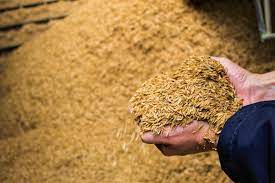

Aiming to Reduce Environmental Impact, SC Power Plant and Industries from Other Sectors Use Rice Residues to Generate Clean Energy, Produce Ceramic Products, Among Others
The thermoelectric plant of Fumacense Alimentos was responsible, throughout 2021, for energy generation at its headquarters grain industry, located in Morro da Fumaça, SC. By the end of 2021, after conducting a balance of the final numbers over the last 12 months, it was possible to observe that a quite significant volume of rice husks was not discarded into the environment; on the contrary, the rice husks were reused to assist in the operation of equipment using clean and renewable energy.
Also Read
Clean Energy from Rice Husk Generates Around 6,720 Mw/h
According to the latest data, in 2021 the thermoelectric plant in SC exceeded the expectations set in 2020 and transformed more than 31 thousand tons of rice husks into clean and renewable energy, generating around 6,720 Mw/h.
According to Lucas Tezza, coordinator of the Fumacense Alimentos Thermoelectric Central, when comparing, the same amount generated by the plant in SC would be more than sufficient to supply just over 5 thousand households occupied by up to three people for an entire year.
-
Brazilian scientists are simultaneously advancing two research projects on clean hydrogen and driving solutions that could transform the energy matrix, enhance industrial competitiveness, and accelerate large-scale emission reduction targets.

-
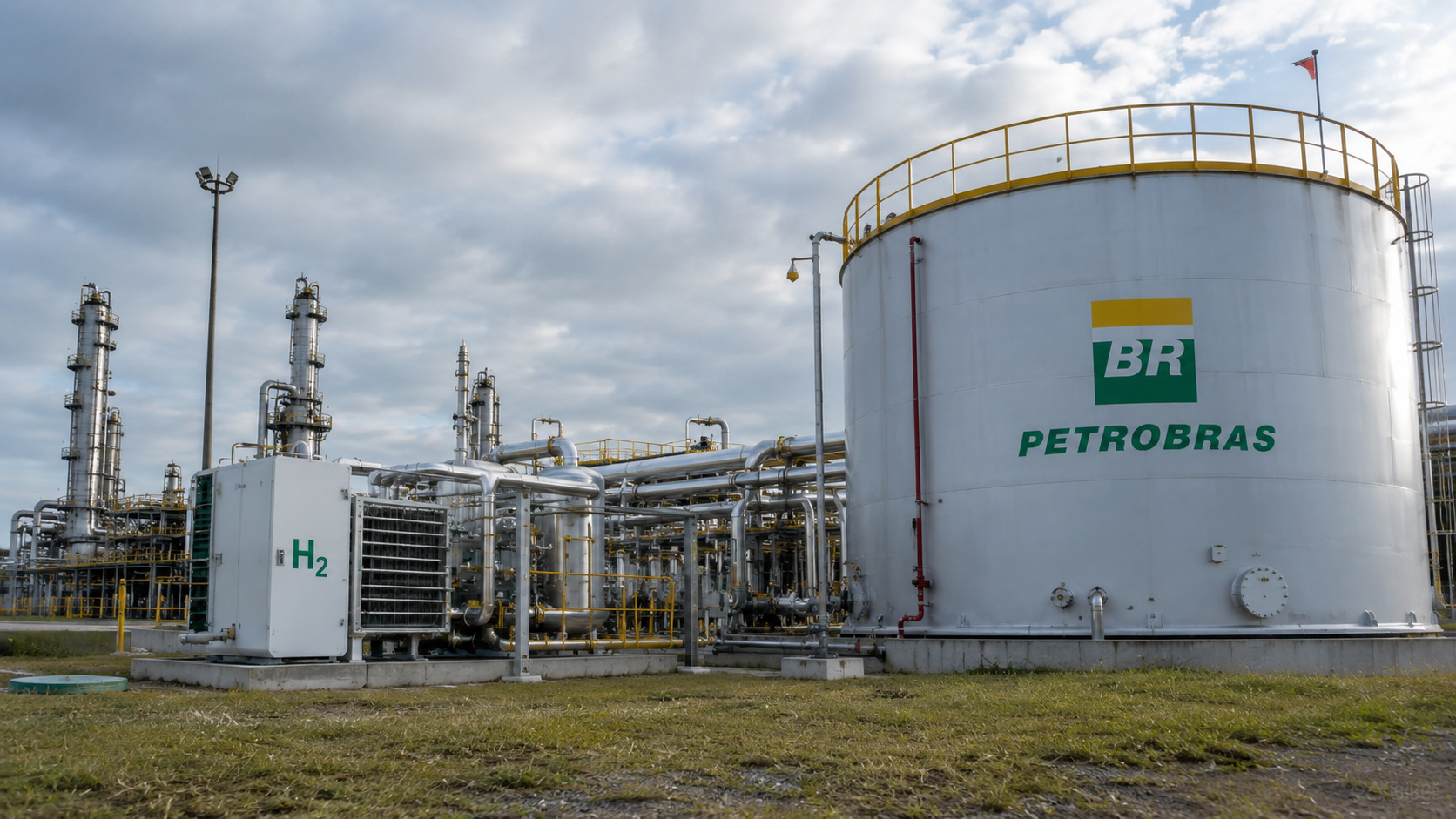
Advancement in renewable energy: A R$ 150 million project launched by Petrobras and Finep aims to create state-of-the-art electrolyzers for green hydrogen, strengthening national research and preparing Brazil to compete in a billion-dollar energy market.
-
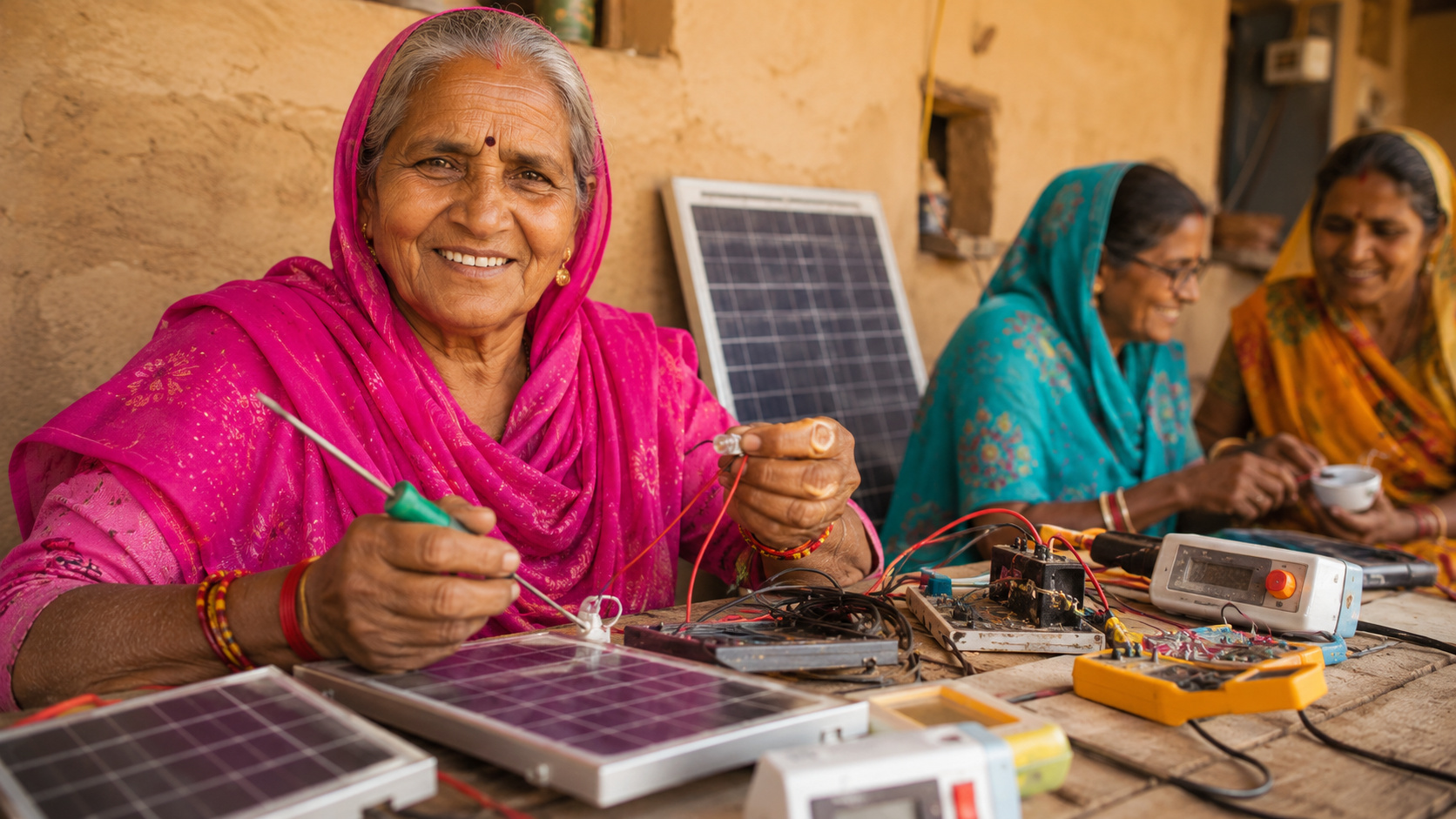
Illiterate or semi-literate grandmothers were trained to repair solar systems, open rural workshops, and light up homes that still depended on kerosene.
-
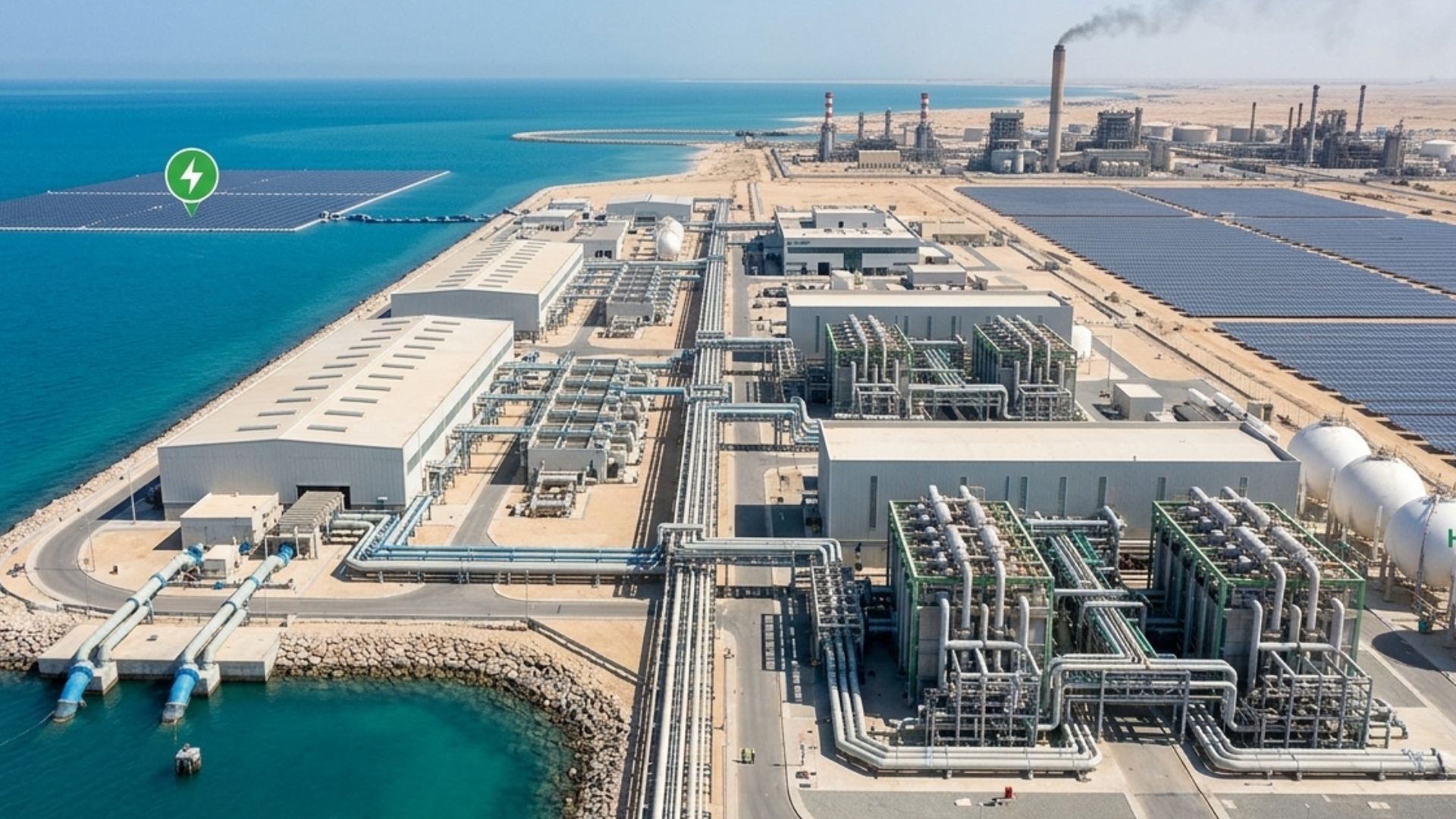
The world has bet on green hydrogen as the fuel of the future, but now faces the side effect: producing 1 kilogram requires about 9 liters of ultrapure water, and the largest projects on the planet are precisely in the driest regions of the Earth, where water is already scarce for people.


Tezza emphasized that the company has always sought to maintain its focus on sustainability issues, an aspect that has strengthened and expanded over the years. Additionally, the thermoelectric central coordinator highlighted the reuse of rice husks, as the ashes generated during the burning process within the thermoelectric plant are also repurposed.
According to Tezza, the ashes are sent to ceramic, steel, and cement companies in SC, SP, and MG, which reuse them in their production processes.
In Addition to Clean and Renewable Energy, Industries from Other Sectors Alongside the SC Rice Plant Help Reduce Environmental Impact by Reusing Rice Husk Residues in the Production of Bricks and Other Ceramic Materials
From a pilot project that emerged in southern SC, rice plants are partnering with ceramic industries, yielding quite positive results for both sectors, in addition to directly contributing to the reduction of effluents and residues that may impact the environment.
Tezza reported that this intersectoral partnership has been happening for nearly two years and arose with the same goal that Fumacense Alimentos already had, which is to also reuse the residual ashes to prevent the disposal of these materials in nature.
The residual ashes contain a high amount of silica, which directly contributes to the quality of the product. By mixing 15% of this waste into the clay mixture, the result is lighter bricks that maintain the standard of resistance.
Get to Know Fumacense Alimentos
Fumacense Alimentos is currently a national reference in the production and manufacturing of rice-based products. The rice industry owns the brands Kiarroz, RisoVita, and Kifeijão, as well as Campeiro, Vilarroz, and the Boby line, which is focused on animal feed. Located in Morro da Fumaça, in southern SC, the rice plant originated in 1970 and currently, the company has two other production plants, one in RS, in the city of Alegrete, and another in PE, in the city of Pombos.