






 Portuguese
  Spanish
 5 min of reading
  0 comments


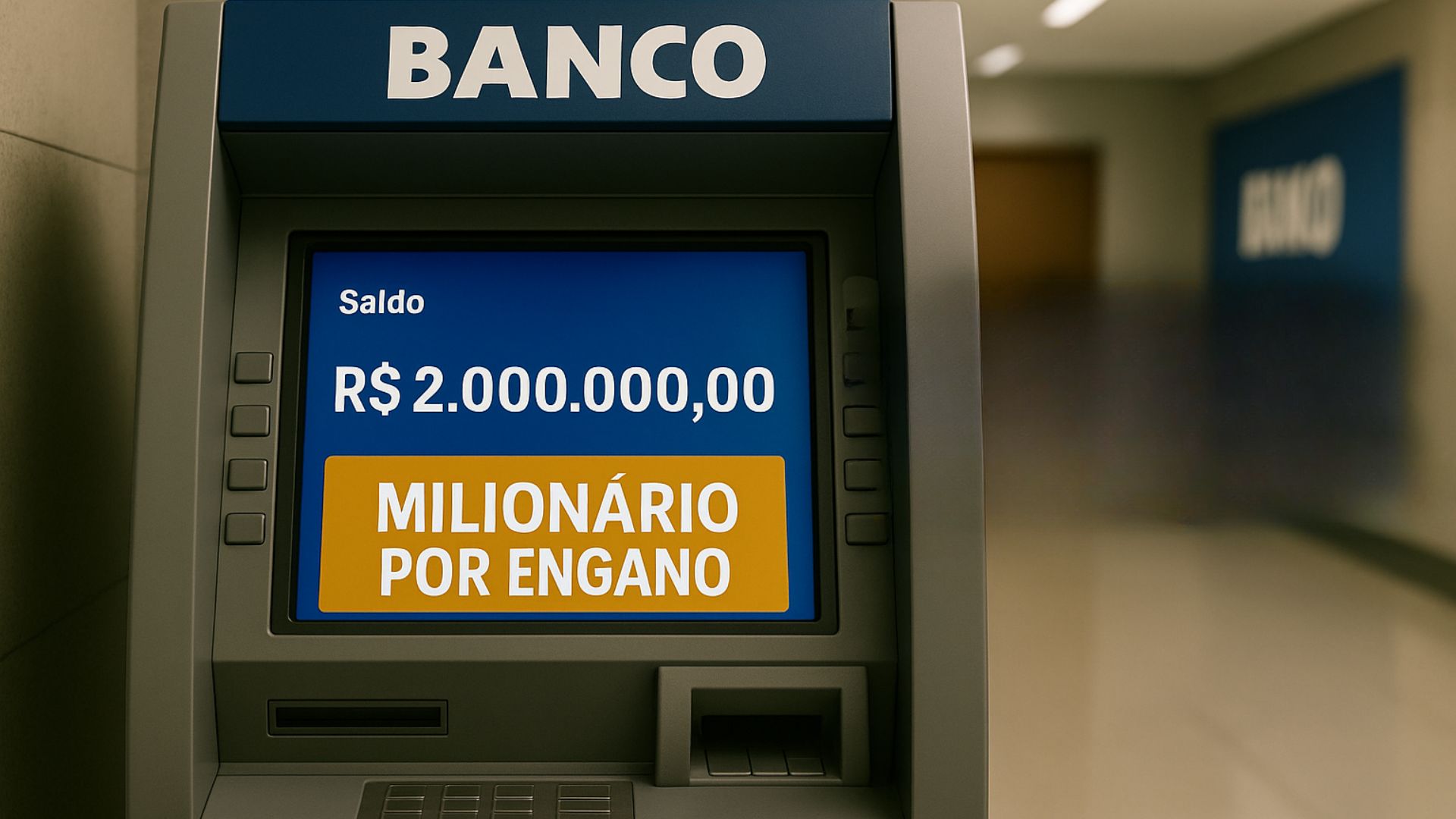
An Unexpected Deposit of R$ 2 Million Surprised a Real Estate Agent in Minas Gerais and Triggered a Series of Actions That Became an Example of Conduct in Cases of Improper Bank Credit. The Incident Continues to Be Cited in Reports Years Later.
An unexpected bank notification and an account balance beyond the reality of most account holders gave rise to an episode that caught attention for the way it was handled.
The case became a reference in reports about bank credit errors and is remembered as a practical example of what to do when a significant amount mistakenly appears in an account.
The Beginning of the Case
While checking the bank’s app, a real estate agent from Montes Claros (MG) noticed the entry of R$ 2 million.
-
The largest Gothic church in Northern Europe began in 1248 to house the relics of the Three Wise Men, remained unfinished for centuries, and was only completed 632 years later, with steel, steam, and a German national campaign that turned the delay into a historical symbol.

-
A city in India was inaugurated in 1968 in front of 5,000 people, welcomed young people from 124 nations, and today gathers more than 3,300 residents from 60 nationalities trying to prove that humanity can live without divisions of country, religion, and politics.
-
An abandoned weapons factory that still contains ammunition and military vehicles has been discovered.
-
Businessman puts modern 1,100 square meter fortress in Russia up for sale for $550,000, featuring high walls, archer towers, a 1.2-hectare plot, and an isolated location on the banks of the Don River.


Without making transactions, he immediately went to the agency to report what had happened.
According to reports published at the time, the client sought guidance from employees and was instructed to formalize the occurrence with the authorities.
Shortly thereafter, he filed a police report documenting the improper credit.
This measure is recommended by lawyers and financial sector specialists as a way to document good faith and create an official record regarding the origin and destination of the money.
Actions Taken
According to available reports, the account holder followed a sequence deemed appropriate in cases of mistaken deposits: not moving the amount, notifying the financial institution, and filing the incident report.
After investigation, the bank confirmed that the amount belonged to an e-commerce company and that it had been transferred to the agent’s account by an operational error.
With confirmation, a full refund was processed.
There are no records of prolonged account blocking or subsequent pending issues.
According to the published articles, the refund occurred quickly and without the need for legal action.
Importance of Immediate Communication
According to banking law specialists, quick communication with both the institution and authorities is essential to avoid legal implications.
The police report serves as proof that the account holder acted correctly and that the deposit was not utilized.
Additionally, the record assists the institution in tracking the error and reverting the amount to the rightful owner.
In a generic statement about such situations, representative entities from the financial sector often emphasize that the cooperation of the client is crucial for a swift resolution in similar cases.
Source of the Amount and Operational Error
The reports revisiting the case indicate that the amount belonged to an e-commerce company, but do not detail the error that led to the improper credit.
The name of the responsible financial institution was also not disclosed.
According to sources consulted by media outlets at the time, the reversal occurred after an internal review and confirmation of the error.
There are no public records of disputes between the account holder and the bank or any questions regarding the refund.
The absence of conflict, according to specialized lawyers, tends to expedite the correction process.
Repercussions and Resumption of the Subject
The case gained attention in national media outlets that compiled episodes of “million-dollar deposits by mistake”.
In these compilations, the one from Montes Claros appears as an example of quick resolution, without any improper use of the amount.
The publications maintain emphasis on the procedure adopted and avoid speculation about the background of the error.
The story continued to circulate because it illustrates a scenario that can happen to any account holder.
According to banking security specialists, the digitalization of the financial system has increased the number of electronic transactions and, consequently, the chance of occasional errors.
Nevertheless, occurrences of this magnitude are considered rare.
Comparisons with Other Cases
Similar cases recorded in other parts of the country had different outcomes.
In some situations, account holders attempted to use the money received and faced legal blockages or lawsuits for embezzlement.
The Montes Claros episode, on the other hand, did not generate such developments, according to the records consulted.
Jurists consulted by reporters at the time highlighted that when the client cooperates with the bank, the correction tends to occur administratively.
However, when there is improper use of the resources, financial institutions may resort to the courts to recover the amount and hold the account holder responsible.
Internal Procedures of Banks
According to public information from banks and sector agencies, the procedure for correcting improper credit involves internal auditing to identify the source of the amount and confirm the legitimacy of the refund.
Generally, the operation is reversed after document verification and without lasting impact on the client, as long as there is no irregular movement of the amount.
In the case of Montes Claros, the accessible history indicates that the refund followed this protocol.
There is no mention of litigation, blockages, or additional investigations related to the episode.
Points Without Public Confirmation
Despite the wide coverage, some information was not detailed in the reports.
The name of the responsible bank for the incorrect credit, the identity of the involved e-commerce company, or the type of technical error that led to the deposit are unknown.
There is also no disclosure of the police report number.
The available information focuses on the actions taken by the client and the result of the refund.
Relevance and Practical Lessons
According to financial behavior specialists, the case continues to be remembered because it demonstrates the importance of transparency and immediate communication with the institution.
The procedure adopted — not moving the money, contacting the bank, and filing the police report — remains standard guidance for this type of situation.
The episode also reinforces the need for constant attention to the bank statement and the origin of received credits.
In a digital environment, errors can occur, but correct conduct tends to avoid legal complications and preserve the client’s history.
If a significant amount mistakenly appeared in your account, would you know what the first step to take would be?





-

-

-

-

11 people reacted to this.