Portuguese
  Spanish



According to Dr. André Wambier, the Bathroom Can Be a Silent Trap: Plastic Curtains, Sprays, and Common Makeup Release Chemicals That Harm Lungs and Hormones
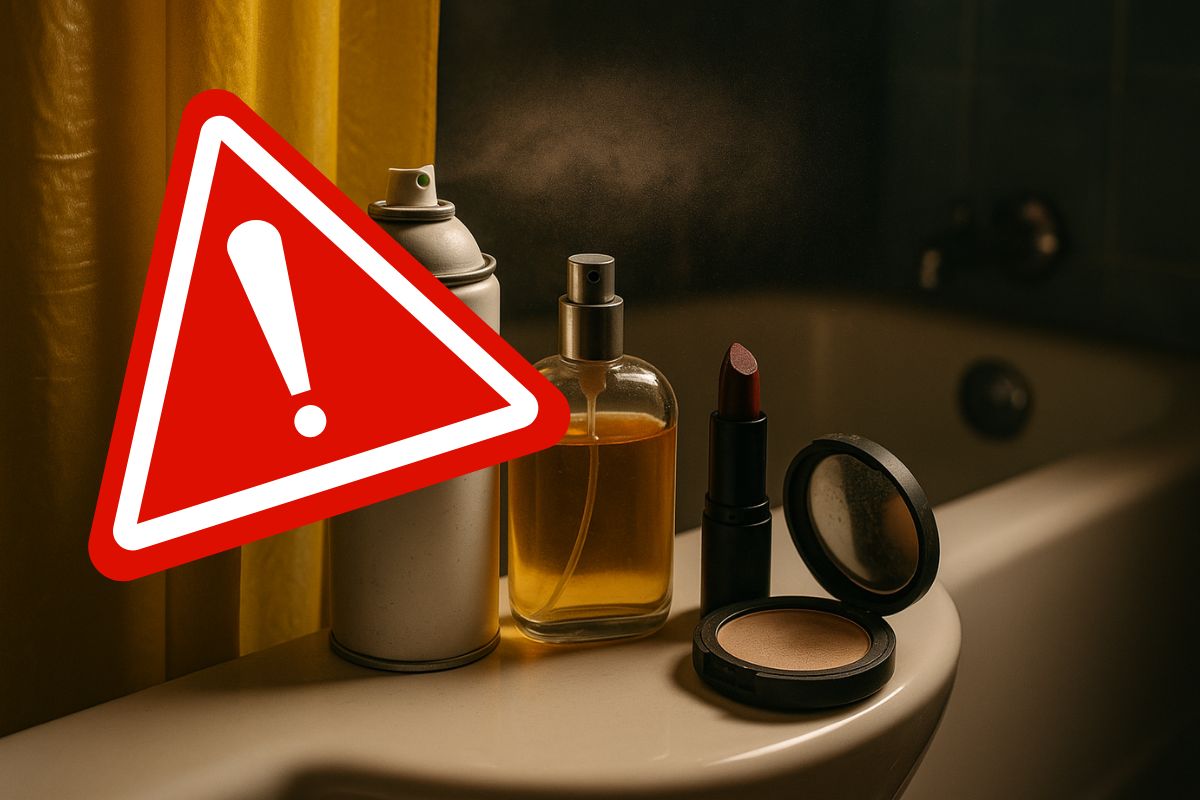
The bathroom can be a trap for the health of millions of people. Products that seem harmless, such as shower curtains, hair sprays, and talc-based makeup, release chemicals that accumulate in the body and can cause everything from respiratory issues to severe hormonal imbalances.
According to Dr. André Wambier, a cardiologist and researcher, constant exposure to these chemicals is associated with cancer, neurological changes, and endocrine disorders. The warning is important because most people do not realize that simple habits in the bathroom can pose such significant risks.
Mold: A Hidden Enemy
The first danger is mold, common in ceilings and grout in humid bathrooms.
-
China Constructs 5.1 km Undersea Highway in Dalian Bay, Reducing Travel Time from 1 Hour to 5 Minutes

-
Massive Transporters Otto and Lore Move ALMA Radio Telescope in Chile’s Atacama Desert
-
Singapore Turns Incinerated Waste Ash into Construction “Sand” in Ambitious Project to Revolutionize Megacity Waste Management
-
Brazilian Entrepreneur Turns Passion for Amazonian Cocoa into a Million-Real Chocolate Business After Studying in France



This fungus releases toxins that affect not only the lungs but also the brain, potentially causing memory loss, anxiety, and even symptoms similar to traumatic brain injury.
According to Dr. André Wambier, maintaining proper ventilation and cleaning surfaces with white vinegar is essential to reduce risk.
He also emphasizes that homemade solutions with bleach in enclosed spaces can worsen the problem by releasing toxic chlorine into the air.
Plastic Curtains and the Release of Chemicals
Another critical point is the shower curtain, which, under heat, releases up to 108 toxic substances, including phthalates and dioxins.
These compounds are known as endocrine disruptors, capable of interfering with sexual hormones, increasing cancer risk, and weakening the immune system.
The specialist’s recommendation is clear: replace PVC curtains with glass shower screens or natural antimicrobial fabrics.
If an immediate replacement is not possible, washing and drying the curtain weekly can already reduce some of the damage.
Shampoos, Makeup, and Sprays: The Daily Risk
According to Dr. André Wambier, hygiene and beauty products are constant sources of harmful chemicals.
Shampoos with parabens, for example, are linked to hormonal imbalances affecting both men and women.
Meanwhile, powder-based makeup containing asbestos has been associated with billions of dollars in settlements for cancer cases.
Hair sprays and aerosol sunscreens also deserve attention: when used indoors, they release microparticles that settle in the lungs, increasing the risk of chronic respiratory diseases and heart problems.
The Invisible Impact on the Body


These substances reach the lungs, liver, kidneys, and endocrine system within minutes, but their effects can last for decades.
The body accumulates chemicals little by little, and symptoms like fatigue, shortness of breath, mood changes, and even infertility may be linked to this silent exposure.
For Dr. André Wambier, prevention is the only effective way to reduce risks by replacing dangerous products with safe alternatives and avoiding the concentration of chemicals in poorly ventilated bathrooms.
The bathroom can be a trap for health when common practices expose the body to invisible and persistent chemicals.
But small changes — such as changing the shower curtain, reviewing cosmetic labels, and avoiding sprays in enclosed spaces — can drastically reduce risks.
And you, have you identified any of these dangers in your bathroom? What change do you intend to make first to protect your health? Share your experience in the comments — your insight could alert others.