Portuguese
  Spanish


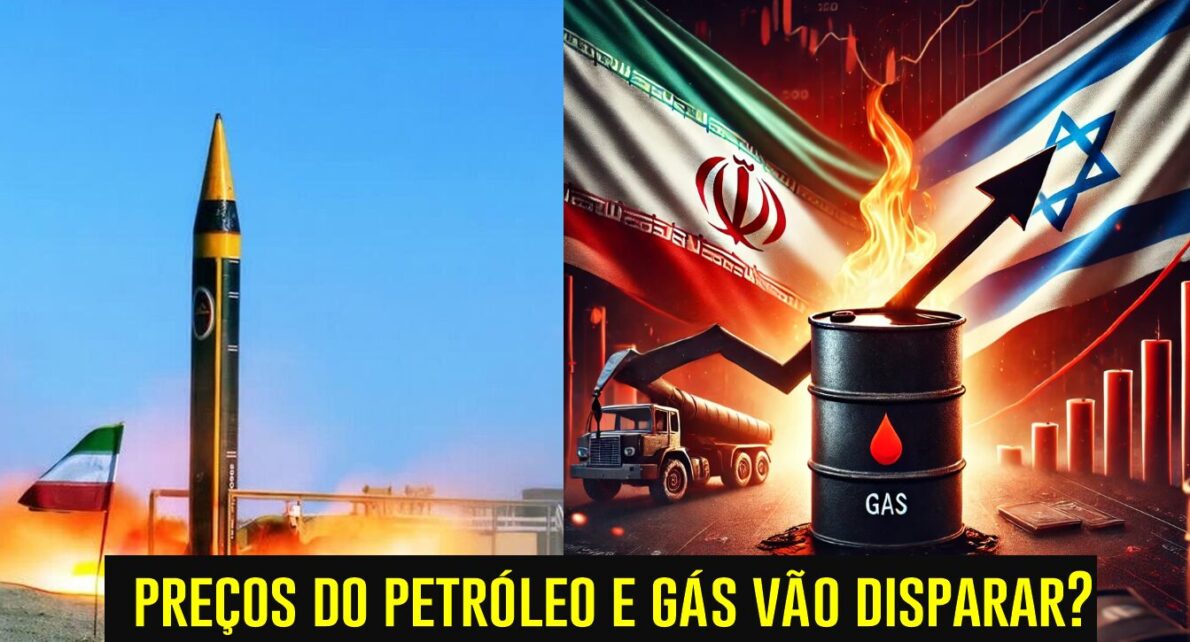

Is The Barrel of Oil More Expensive: The Possibility of a Conflict Between Iran and Israel Could Lead Oil and Gas Prices to Surge?
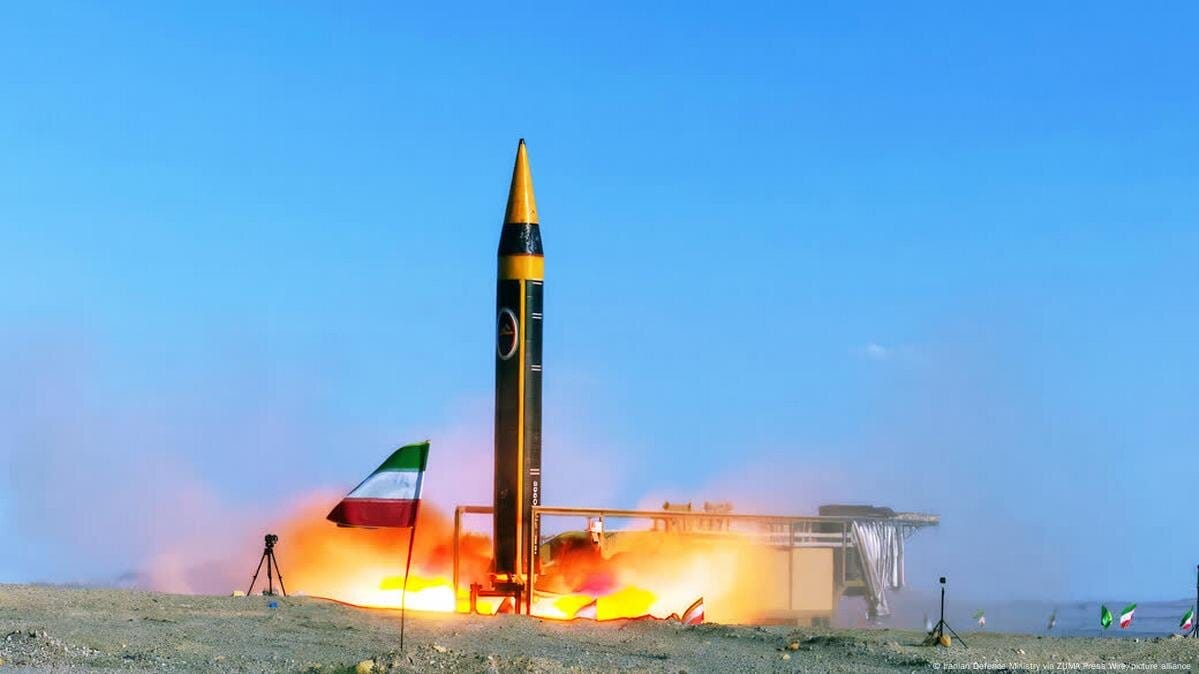
Oil prices rose about 2.5% following an attack in the Middle East. On October 1st, Iran launched hundreds of missiles against Israel, escalating tensions in the region and raising concerns about the future supply of oil and gas.
With Israel poised to retaliate and Iran possibly responding with greater force, many fear that a broader war in the Middle East is approaching. However, the oil market still believes that the flow of oil from the region will be maintained, even amid the conflicts.
According to analyst Rick Newman from Yahoo Finance, despite initial concerns, the 2.5% rise in oil prices reflects the view that combatants in the region prefer not to disrupt oil supplies, something that could have disastrous consequences for the global economy.
-
Qantas and Airbus Invest in Company Aiming to Convert Unsorted Household Trash into Jet Fuel

-
Brazil’s ANP Opens 86 New Oil Blocks in the Equatorial Margin, Expanding the Amazon River Mouth Frontier

-
OPEC+ Boosts Oil Supply by 188,000 Barrels per Day in July 2026, Leading to Price Drop from $112 to $89 per Barrel in Under Two Months

-
TotalEnergies Signs 20-Year Deal to Purchase 2 Million Tons of LNG from Alaska, Boosting Project Viability
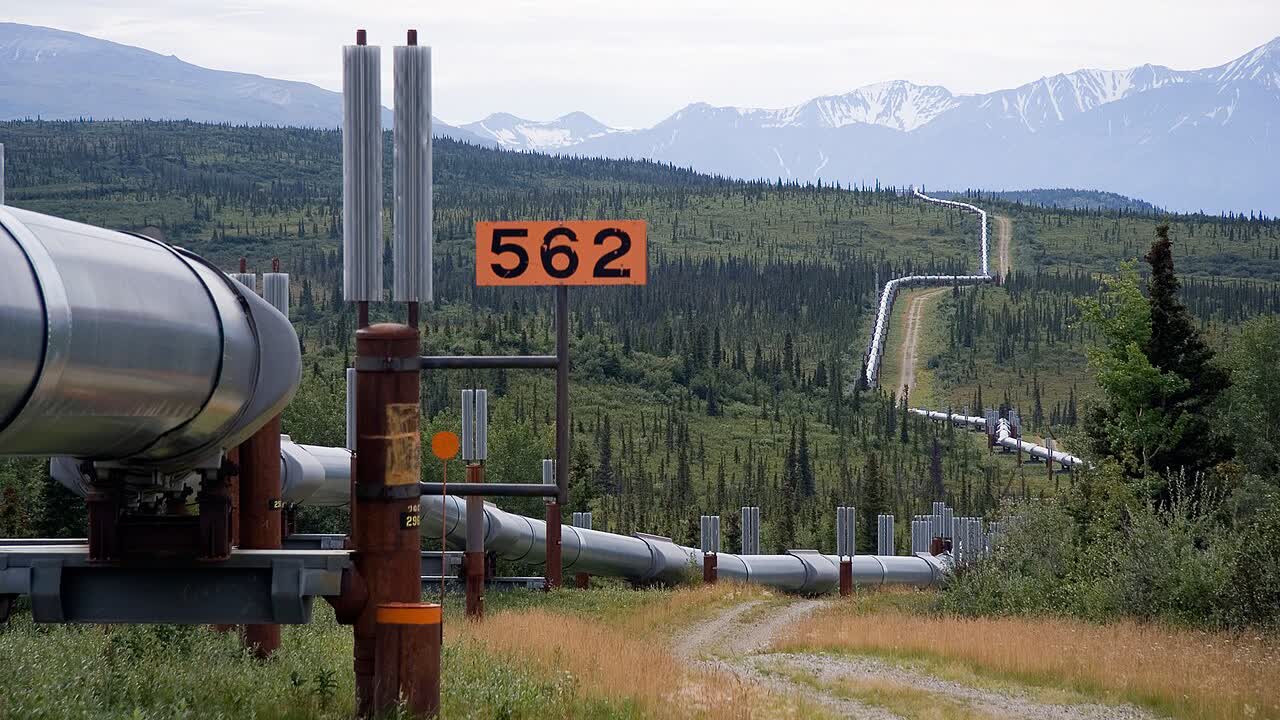
Although the conflict between Iran and Israel has the potential to escalate, all parties involved have an interest in preventing oil prices from reaching critical levels, which would have serious repercussions, especially for the United States.
The Geopolitical Impact – Barrel of Oil at US$ 150?
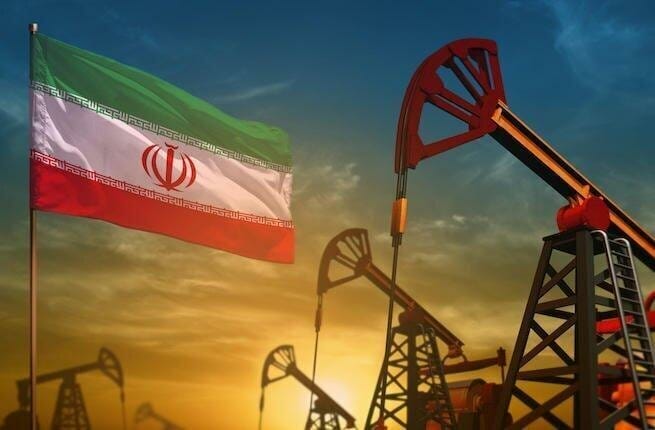
The Iranian attack was a response to Israel’s actions against Hezbollah and Hamas, which are militarily and financially supported by Iran.
Recently, Israel conducted operations against these groups, including the assassination of a key Hamas official in Tehran and the death of the Hezbollah leader in Beirut. These moves by Israel heightened tensions with Iran, which opted to retaliate more aggressively.
Despite the escalation, the likelihood of Israel attacking Iranian oil facilities appears remote. There are strategic reasons to avoid this.
The main reason is the pressure from the United States, Israel’s chief ally. In a direct confrontation with Iran, Israel would need U.S. military and diplomatic support, and attacking oil facilities could further complicate that alliance.
Moreover, Iran accounts for about 1.5% of the world’s oil production, and any disruption in this supply would significantly impact global prices globally.
If Iran were to be prevented from exporting oil, the consequence would be a dramatic increase in prices. The price of oil could easily surpass the US$ 100 mark and, in more extreme scenarios, reach US$ 150.
This would have a devastating effect on gasoline prices, especially in the United States, where a gallon could reach values between US$ 5 and US$ 7, something that the Biden administration, on the brink of a presidential election, would certainly try to avoid at all costs.
The Role of China and Other Oil and Gas Producers
A key factor in this conflict is the role of China, which has become the largest buyer of Iranian oil, challenging Western sanctions aimed at punishing Iran for its actions in the Middle East.
China purchases Iranian oil at below-market prices and is interested in ensuring that this supply continues. As a net oil importer, China seeks to keep prices low, explaining its cautious stance regarding any conflict that disrupts the flow of oil in the region.
Although China does not have the same military influence as the United States in the Middle East, it wields significant economic influence over Iran, as the country relies on revenues from oil sales to China.
In this way, Beijing has a direct interest in maintaining stability in oil supply, which means that any Iranian action threatening this supply would be disapproved by its main trading partner.
Other countries in the region, such as Saudi Arabia and the United Arab Emirates, are also wary of an oil and gas war.
While they could benefit from a price increase, they know that instability carries risks that could threaten other strategic priorities.
Saudi Arabia, for instance, is interested in improving its commercial and economic relations with Israel, something that would be difficult to achieve amid a prolonged conflict.
Furthermore, the memory of the Iranian attack on Saudi oil facilities, which occurred five years ago, is still fresh in the minds of regional leaders.
This attack was one of the largest short-term supply disruptions in history, and the fact that Iran and Saudi Arabia resolved their differences through Chinese mediation suggests that both countries prefer to avoid an energy war, which would bring more harm than benefits.
The Global Energy Scenario
The Middle East is a region marked by unpredictable conflicts and constant tensions. However, historical experience shows that even amid wars and skirmishes, oil continues to flow.
This reality is supported by the economic interdependence of oil-producing and oil-consuming countries, which have an interest in maintaining a stable market.
If Iran decided to stop its exports or attempt to close the Strait of Hormuz — through which about 21% of the world’s oil passes — the impact would be devastating for the global market. Oil prices could quickly rise beyond US$ 100 per barrel, and in a more extreme scenario, exceed US$ 150.
This would not only affect the global economy but also have political repercussions in the United States, where rising gasoline prices could hurt the electoral chances of the ruling party.
Although the future of the conflict between Israel and Iran is uncertain, the most likely outcome is that the parties involved will do their best to avoid a large-scale energy crisis.
The global economic interests, coupled with the desire for stability from major powers such as China and the United States, suggest that oil will continue to flow, even if peace in the region remains distant.
The Middle East continues to be a volatile region, but the lesson learned from past wars is that when it comes to oil, pragmatism usually prevails over belligerence.