Portuguese
  Spanish


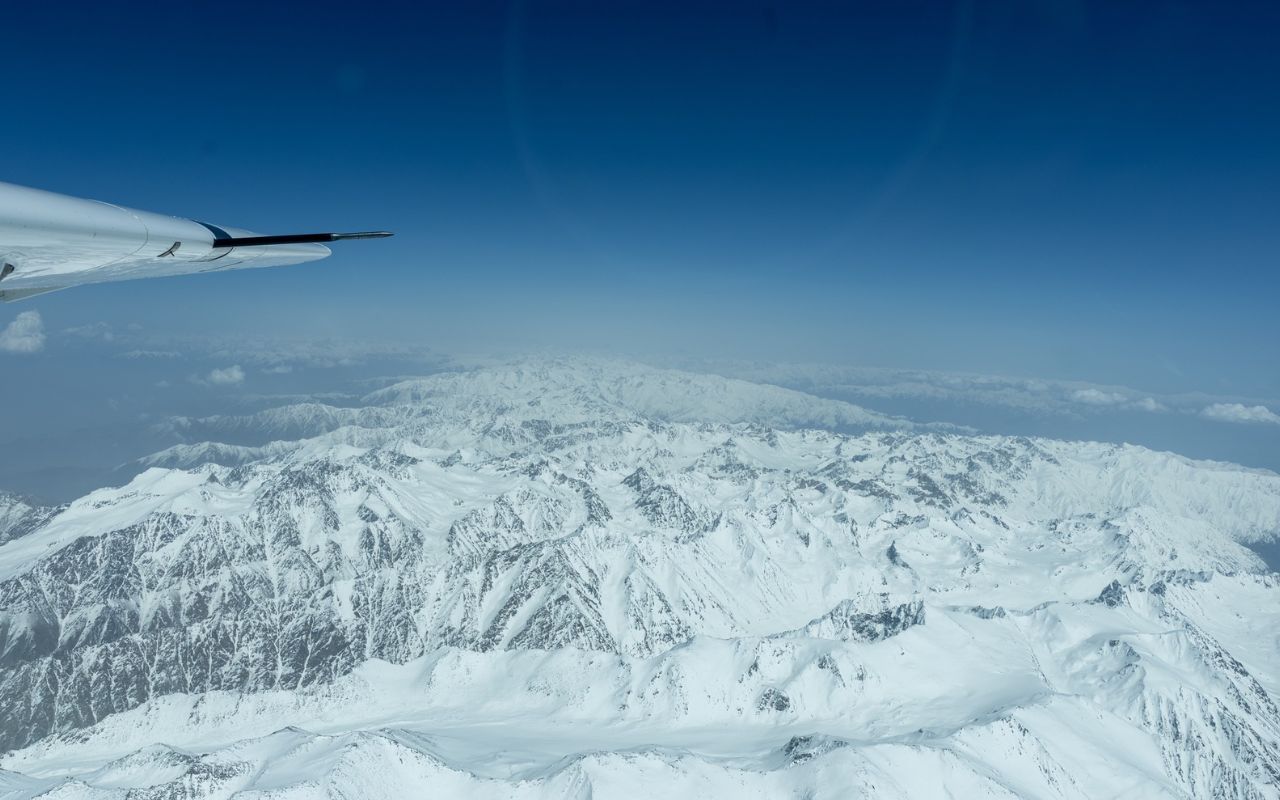

Pilot Guido Warnecke describes flight over Afghanistan, with limited altitude, little communication, and operational challenges on board a Cessna Caravan.
A pilot specialized in flights described what it was like to cross the airspace of Afghanistan during a trip between the United States and Indonesia, amidst the restrictions caused by the closure of traditional routes in the Persian Gulf. The account was shared by Guido Warnecke on his social media, an experienced commander of the Cessna Caravan model, who opted for this alternative given the geopolitical scenario involving Iran. The crossing took place at high altitudes, with little communication with air traffic control, and required special procedures to ensure the safety of the operation.
Pilot faces unusual alternative route
The decision to fly over Afghan territory was not casual. According to the pilot, the blockage of conventional routes forced strategic changes in the trajectory. Thus, the route passed through an area known for its complex geography and limitations in aviation infrastructure.
During the flight, the commander operated a Cessna C208 Caravan, an aircraft widely used for regional transport and transfers. However, the model has an important characteristic: it does not have a pressurized cabin, which imposes operational restrictions at high altitudes.
-
Masked Man Claims to Have Traveled to 2118, Predicts World War Starting with North Korea and Reveals Secret CIA Technology

-
At 54, Brazilian Artisan Turns Textile Waste into a Successful Handbag Brand, Earning Over $6,000 Monthly

-
Brazilian Entrepreneur Sells $50,000 Monthly in Sustainable Luggage Made from Recycled Bottles, Eyes International Market
-
Chinese Man Transforms Home into 10-Story Pyramid Over 8 Years, Defying Authorities Before Demolition



Operational challenges at high altitude on the Cessna Caravan
To overcome the mountainous terrain, the pilot needed to fly close to the operational limit of the aircraft, about 25,000 feet (7,600 meters). Under these conditions, the use of an oxygen mask is mandatory, as the thin air can compromise the physical capacity of the crew member.

Moreover, the proximity to the mountains increases the level of attention required. The commander himself highlighted that the operation becomes more demanding, especially in an environment with little margin for error.
Among the main challenges reported are:
- Operation at the maximum ceiling of the aircraft
- Need for constant use of oxygen “`
- Proximity to elevated terrain
- Low margin for maneuver
- Variable environmental conditions
Speed and performance: pilot flight data
During the flight, the pilot shared technical information that helps to understand the aircraft’s behavior at high altitude. Even with an indicated speed considered low, the actual performance was different.
| Parameter | Recorded value |
| Indicated speed | 106 knots (196 km/h) |
| True speed | 160 knots (296 km/h) |
| Operating altitude | 25,000 feet (7,600 m) |
The so-called true airspeed takes into account factors such as pressure and temperature, better reflecting the actual movement of the aircraft in the air.
Limited communication requires pilot autonomy
Another critical point highlighted in the report was the almost total absence of air traffic control in certain areas. According to the commander, “communication is practically nonexistent in some sections,” which forces pilots to adopt alternative methods to maintain safety.
In this context, aircraft use the so-called self-reporting. This procedure consists of informing, via radio, data such as position, altitude, and flight intentions, allowing other aircraft in the region to maintain a safe distance.

This type of practice is not uncommon in remote areas and also occurs in specific regions of countries with advanced aviation, such as Brazil and the United States, especially in low-altitude operations.
Despite the risks and challenges, the pilot described the scenery as visually stunning. The mountainous terrain of Afghanistan, seen from high altitude, caught attention during the flight.
On the other hand, the experience reinforces how external factors, such as conflicts and air restrictions, can directly impact civil aviation. Thus, alternative routes end up requiring technical preparation, detailed planning, and constant adaptation by the professionals involved.
Source: AEROIN
Images taken from the Facebook of the pilot Guido Warnecke