






 Portuguese
  Spanish
  2 min of reading


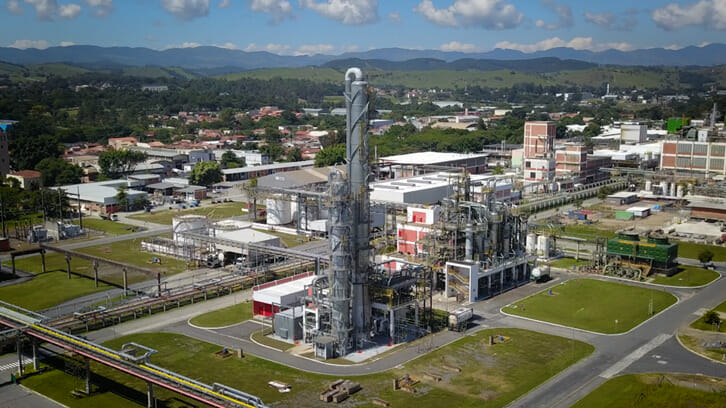
Pioneering Strategy Boosts Sustainability in the Brazilian Industry.
In the wake of cutting-edge practices, BASF strengthens its operations in Brazil by completing a revolutionary exchange with Olfar, a state-based biodiesel producer. The transaction involves a mechanism called “barter,” based on Decarbonization Credits (CBIOs), aligning perfectly with the continuous search for sustainable solutions in the industry.
How Does This Innovative Operation Work?
Olfar, the holder of the CBIOs, transfers these assets acquired on the B3 to BASF. In return, it receives supply of specific products. This strategy, shaped by BASF from RenovaBio, not only encourages renewable energy in Brazil but also meets its customers’ demands. At the same time, Olfar capitalizes on these decarbonization credits as currency for agricultural inputs and sodium methylate, a key catalyst in the effective production of biodiesel.
-
Bothered by millions of bricks discarded every year in Norway, a company cuts old pieces into thin slices, secures them with a metal system, and transforms demolition into a new 1,800 m² facade.

-
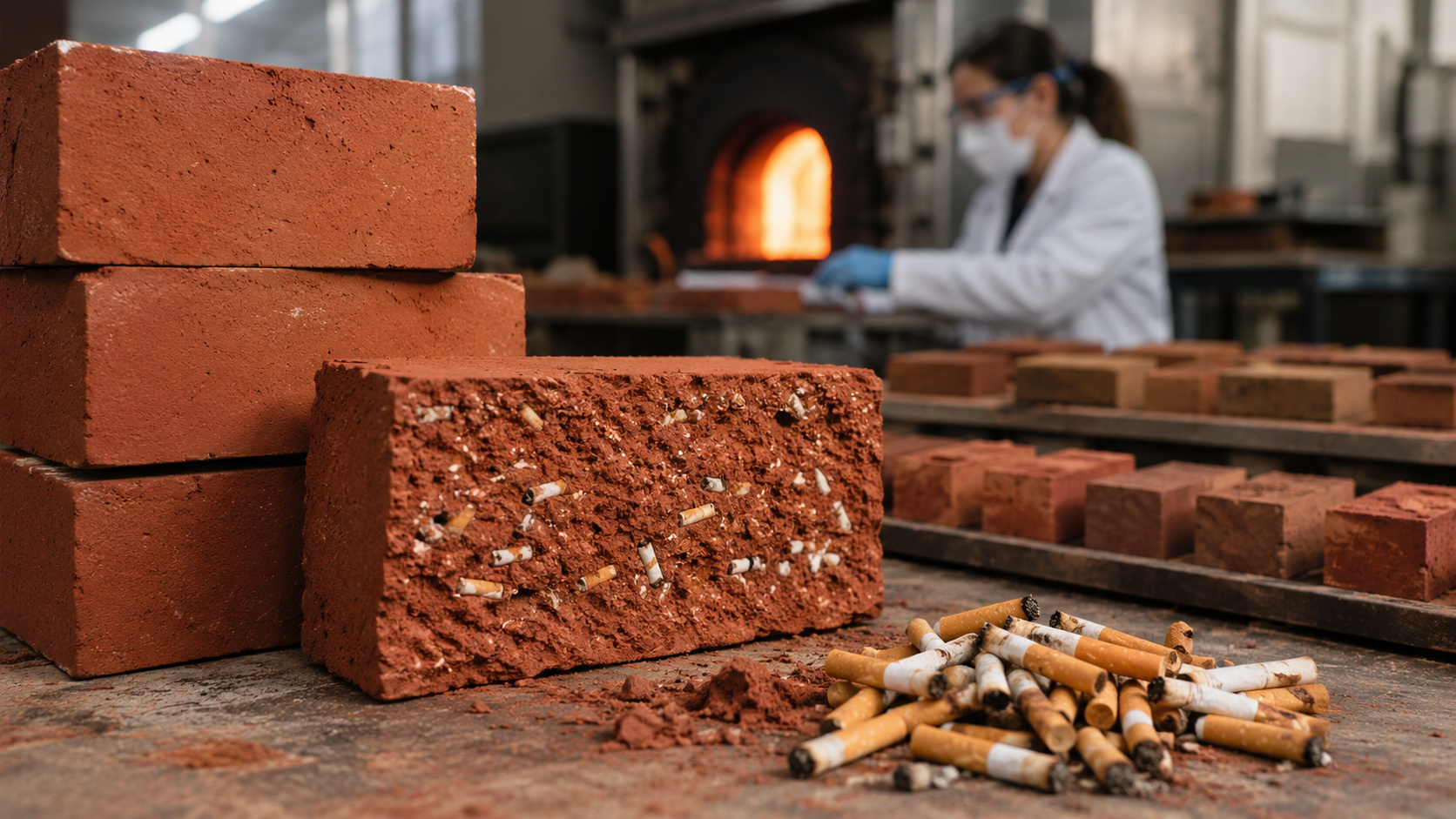
While cigarette butts appear on sidewalks, beaches, and sewers, researchers tested the waste in clay bricks and calculated a 10% savings in burning with just 1% in the mixture.
-
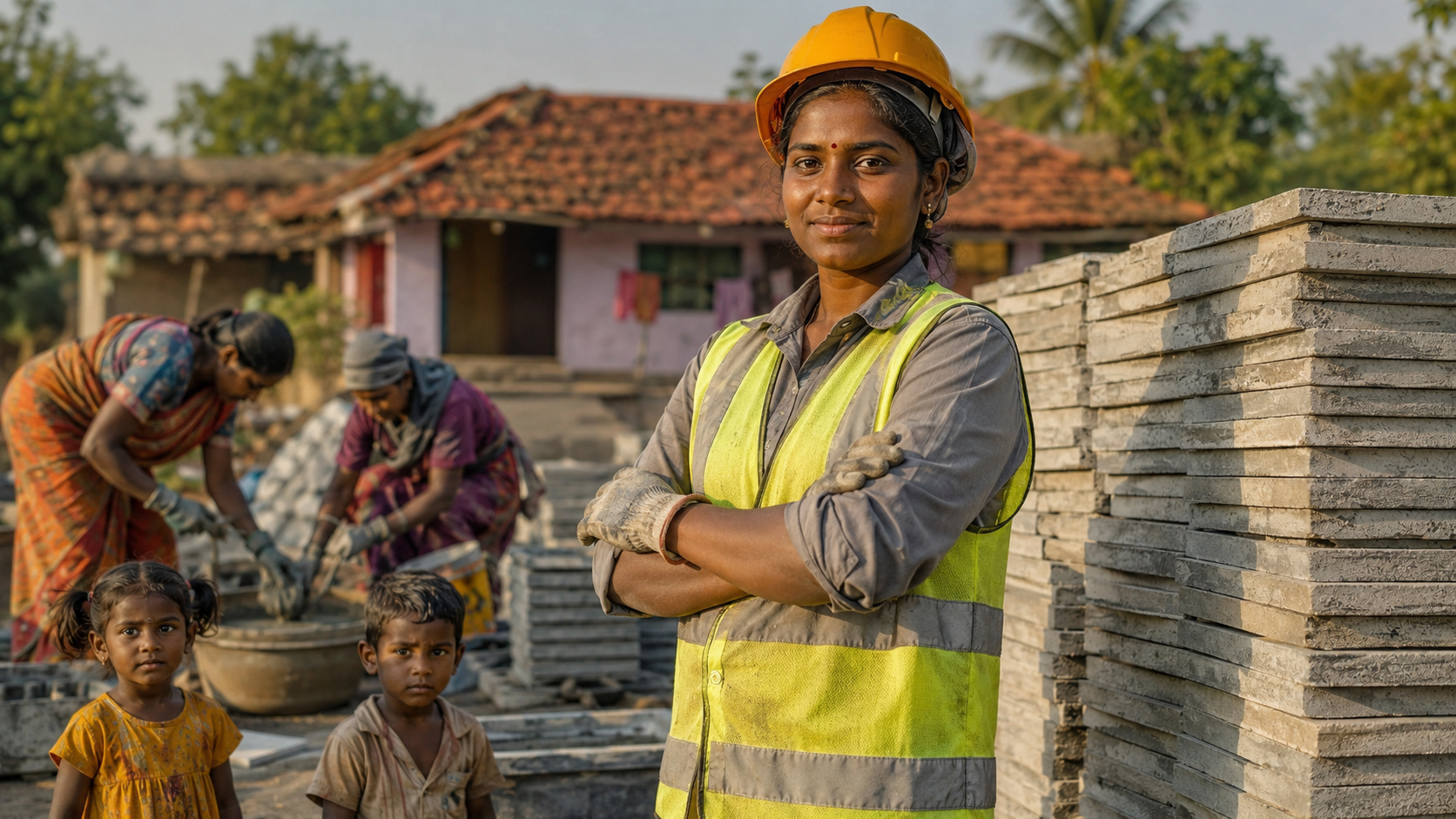
Mother of two who couldn’t leave her village in India takes a 20-day masonry course, starts a company with other women, receives a large production order, and changes her financial situation.
-
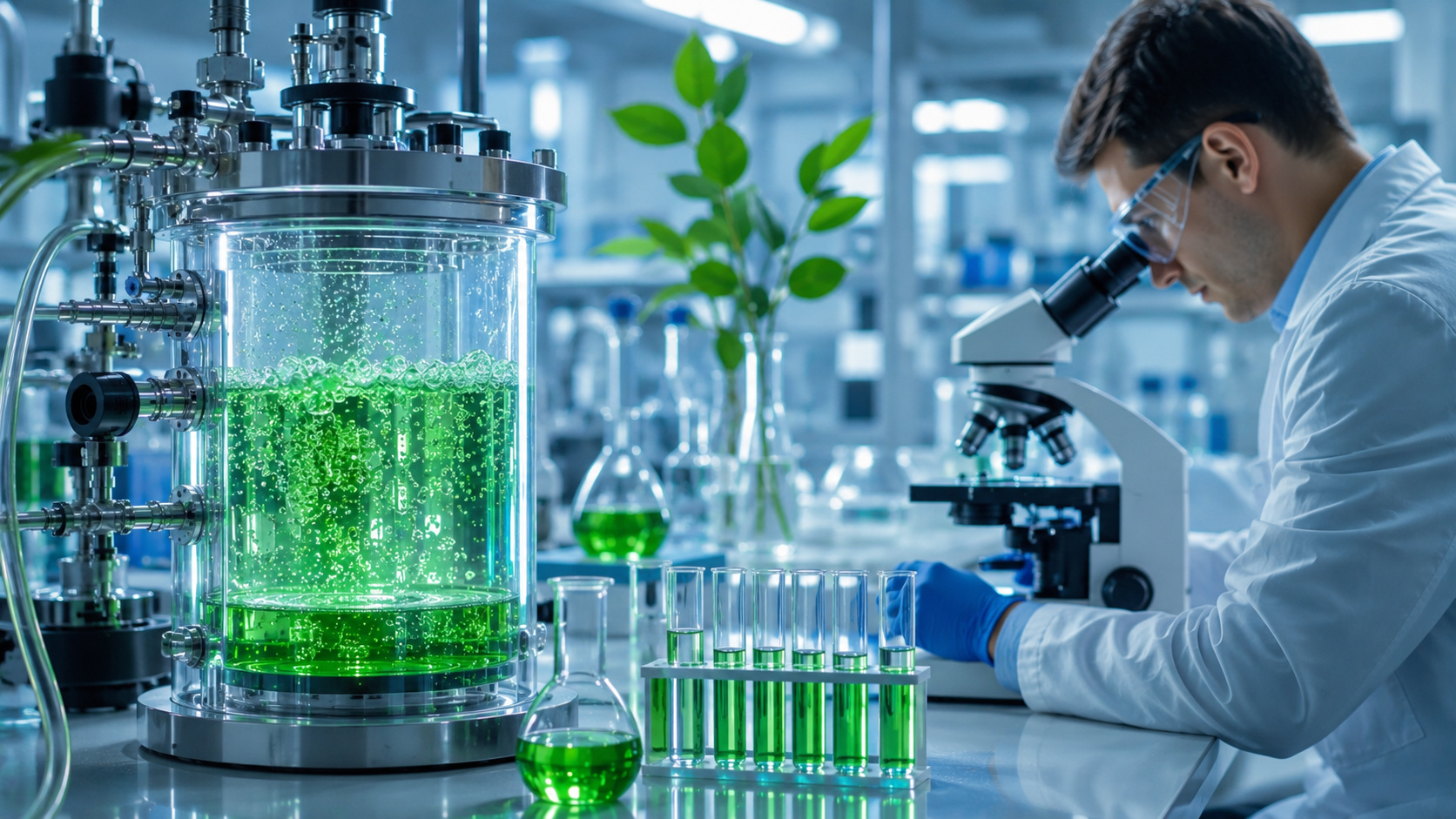
Brazilian scientists are simultaneously advancing two research projects on clean hydrogen and driving solutions that could transform the energy matrix, enhance industrial competitiveness, and accelerate large-scale emission reduction targets.

These CBIOs are not just trade tokens. Regulated by the National Agency of Petroleum, Natural Gas and Biofuels (ANP), they represent tangible commitments to sustainability. Each CBIO is equivalent to one tonne of CO2 that has been avoided from being released into the environment.
“The continuous pursuit of innovation, in tune with our environmental principles, allows us not only to support the reduction of the national carbon footprint but also to consolidate a sustainable legacy for Brazilian agriculture,” emphasizes João Bento dos Reis Jr, manager of Structured Operations and Commodities at BASF in Brazil.
A Partnership for the Future.
At the core of this operation is a significant collaboration, with both parties sharing a sustainability-focused vision. José Carlos Weschenfelder, president of Grupo Olfar, highlights that the company’s actions reinforce its commitment to the environment and the relentless pursuit of minimizing adverse impacts. Olfar, aligned with its beliefs, continually integrates renewable sources into the Brazilian energy matrix and maintains RenovaBio certification at all its plants.
A notable aspect of the transaction is the inclusion of sodium methylate, a crucial catalyst that enhances the efficiency of biodiesel production. Alejandro Bossio, Business Director of Monomers for South America, sees this as an opportunity to further enhance the value of CBIOs, enriching the market and accelerating the path to carbon neutrality, a primary goal of BASF.
The legacy of this partnership is not limited to innovation. Biodiesel production drives positive impacts across various fronts, from job creation and economic stimulation to significant reductions in greenhouse gas emissions, culminating in a greener future for Brazil.
Source: vitorya paulo | public relations – máquina | grupo bcw brasil.








Be the first to react!