Portuguese
  Spanish


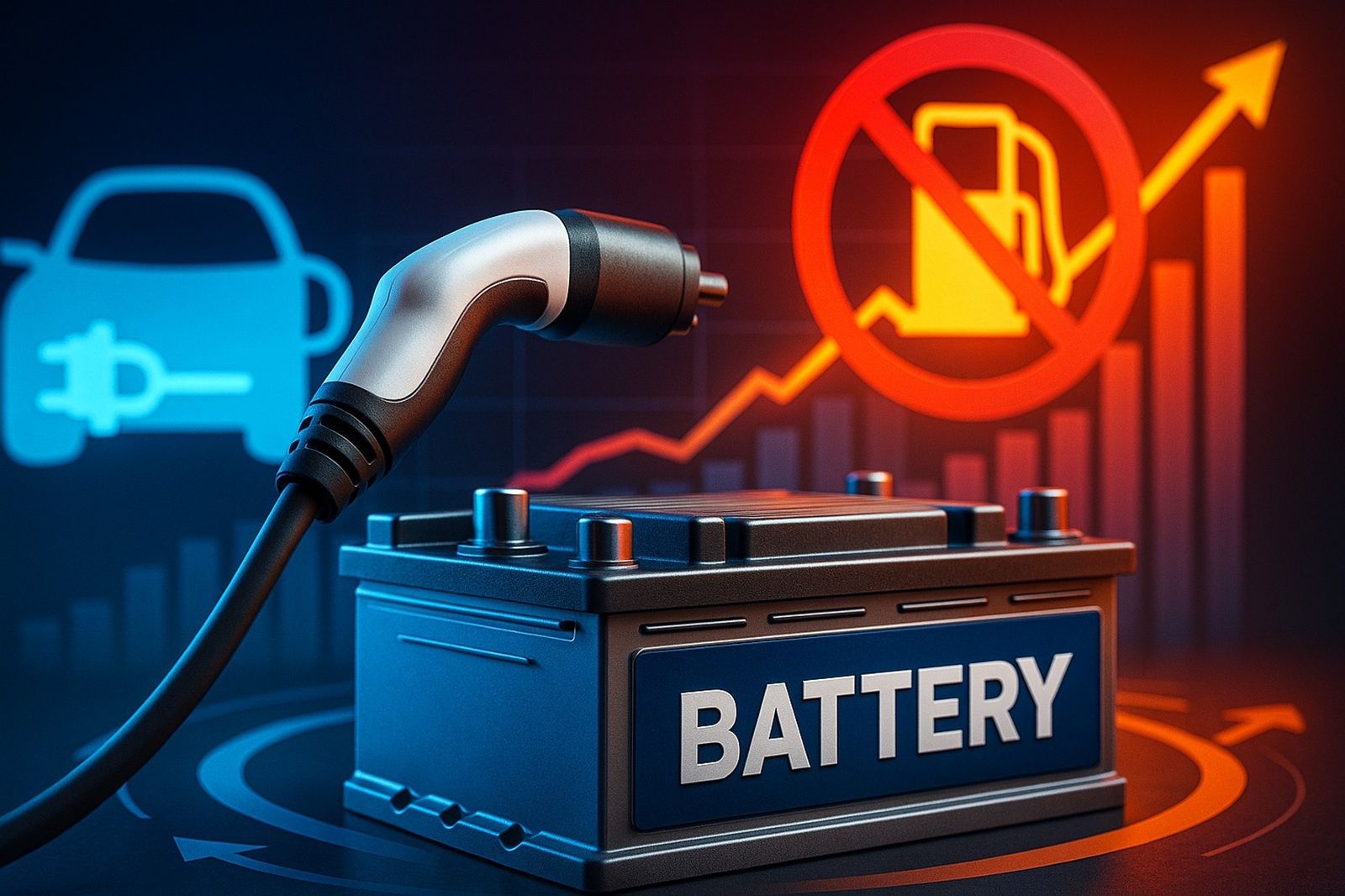

Korean Researchers Create Special Electrolyte That Prevents Dendrites, Guarantees 350 Cycles and Opens the Way for Electric Cars With Ultra-Fast Recharging.
The next generation of batteries promises to change the future of electric vehicles for good. Scientists have developed a chemical solution capable of eliminating one of the most persistent limitations: the formation of dendrites. This advancement allows for rapid recharging of batteries and the ability to achieve long distances, something that has always been a challenge for the automotive sector.
A New Electrolyte Against Dendrites
Lithium-metal batteries differ from traditional lithium-ion batteries by using pure lithium instead of graphite. This swap increases energy density, ensuring more range with the same weight.
However, the major obstacle has always been the formation of dendrites, crystalline structures that emerge during recharging and compromise performance.
-
Unprecedented achievement in India: a colossal 650-ton, nearly 3,000 hp excavator is transformed into 100% electric, marking a new phase in heavy mining.

-
Frightened by the speed of Chinese manufacturers, Renault decided to mimic the pace, made the new electric Twingo in just 21 months, wants to repeat the feat with 36 models by 2030, and along the way, will cut up to 2,400 engineering positions.

-
Chinese battery from Dongfeng promises to exceed 1,000 km without relying on liquid electrolyte, and the detail behind the technology could change the electric car competition.

-
The end of the automotive combustion era has already begun, but many in Brazil have not yet realized the magnitude of the shift towards Chinese electric cars.
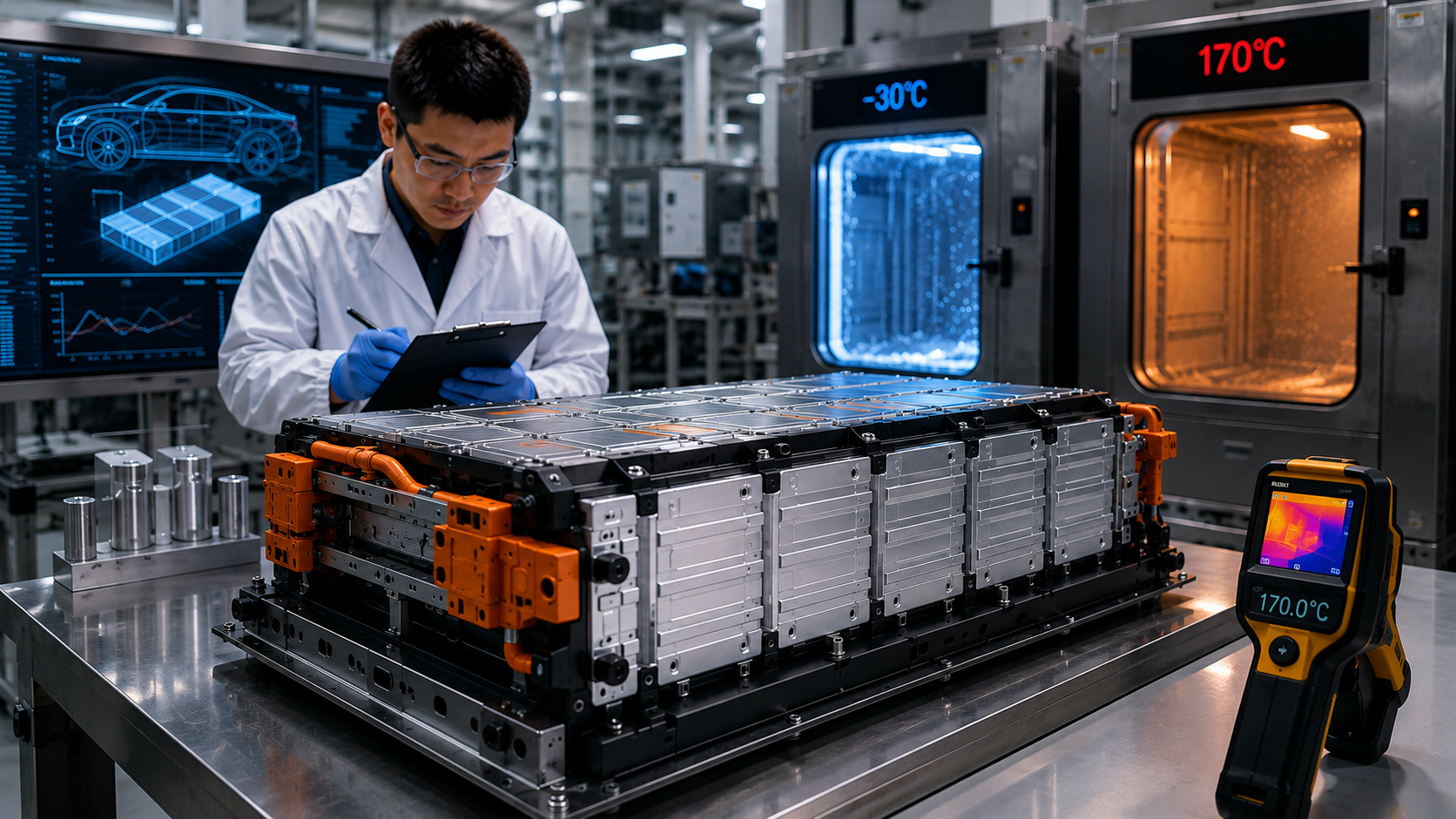
The novelty lies in a liquid electrolyte that can inhibit the growth of these structures. It alters the cohesion of the lithium surface, distributing ions evenly. Thus, the weak points where dendrites typically appear stop forming.
Laboratory tests showed significant results, with ultra-fast charging and greater durability.
In one experiment, the battery reached 5% to 70% charge in just 12 minutes. This represents 800 km of range and over 350 cycles.
Another version achieved 80% in 17 minutes, consolidating the robustness of the technology. These numbers bring the experience of electric recharging closer to the time spent filling a fuel tank.
Research and Impact in the Sector
The study was published in the journal Nature Energy and conducted by the Korea Advanced Institute of Science and Technology.
According to Professor Hee Tak Kim, the discovery paves the way for the mass adoption of electric vehicles. He believes that the technology addresses a barrier that has long prevented the commercial use of lithium-metal batteries.
If this system reaches the market, the reality for drivers could change radically.
Long-distance trips could become feasible with fewer stops, in addition to reducing range anxiety, one of the biggest fears for those considering switching to electric cars.
The Problem of Dendrites
Dendrites resemble small branches that grow inside the battery. They pierce internal separators, cause short circuits, and reduce lifespan.
This phenomenon occurs due to the irregular deposition of lithium ions, especially during fast charging. Since the anode of lithium-metal batteries is made of pure lithium, it suffers more from this irregularity.
To address the issue, scientists have already tested additives in the electrolyte and modifications in the electrodes. The new method, however, stands out by promoting uniform deposition and directly preventing the emergence of concentration points.
The Importance of Energy Density
Another central factor is energy density, which measures the energy stored per weight or volume unit. Traditional lithium-ion batteries range between 150 and 250 Wh/kg. Lithium-metal batteries can achieve between 300 and 500 Wh/kg. This difference means more capacity in the same space or a significant weight reduction.
Using lithium-metal, therefore, ensures efficiency but requires chemical and engineering solutions to control stability. The new electrolyte emerges exactly to balance performance and safety.
This advancement represents a decisive step toward more powerful, faster, and safer batteries. If the technology surpasses the laboratory phase, electric cars may finally offer an experience as practical as that of combustion vehicles.