






 5 min of reading
  0 comments


Measure adopted in Punta Molentis changes beach access in Sardinia, limits the use of umbrellas, controls daily capacity, and follows a fire that led to the emergency evacuation of bathers by boat during the previous season.
The beach of Punta Molentis, in Villasimius, in the southeast of Sardinia, began to restrict the use of umbrellas during the summer season of 2026, allowing protection only in specific cases.
According to the rule in effect until October 31, only families with children up to 10 years old and people aged 65 or older can set up an umbrella on the sand strip.
Access by land also began to be charged, with a fee of 10 euros per visitor, equivalent to about R$ 59 at the reference euro exchange rate in June 2026.
-
A fisherman from the interior of Pará didn’t have money to buy a jet ski, so he researched everything on the internet and built one from scratch using wood, a 38-horsepower engine, and an adapted bicycle handlebar.

-
“I’m sorry we came to the beach so little”: German Shepherd fulfills all his dreams on his last day of life after facing tumors, kidney failure, and resisting euthanasia for more than 3 years.
-
Women who had difficulty finding employment find a 9-month program with salary, classes, and professional training at a bean factory in Denver.

-
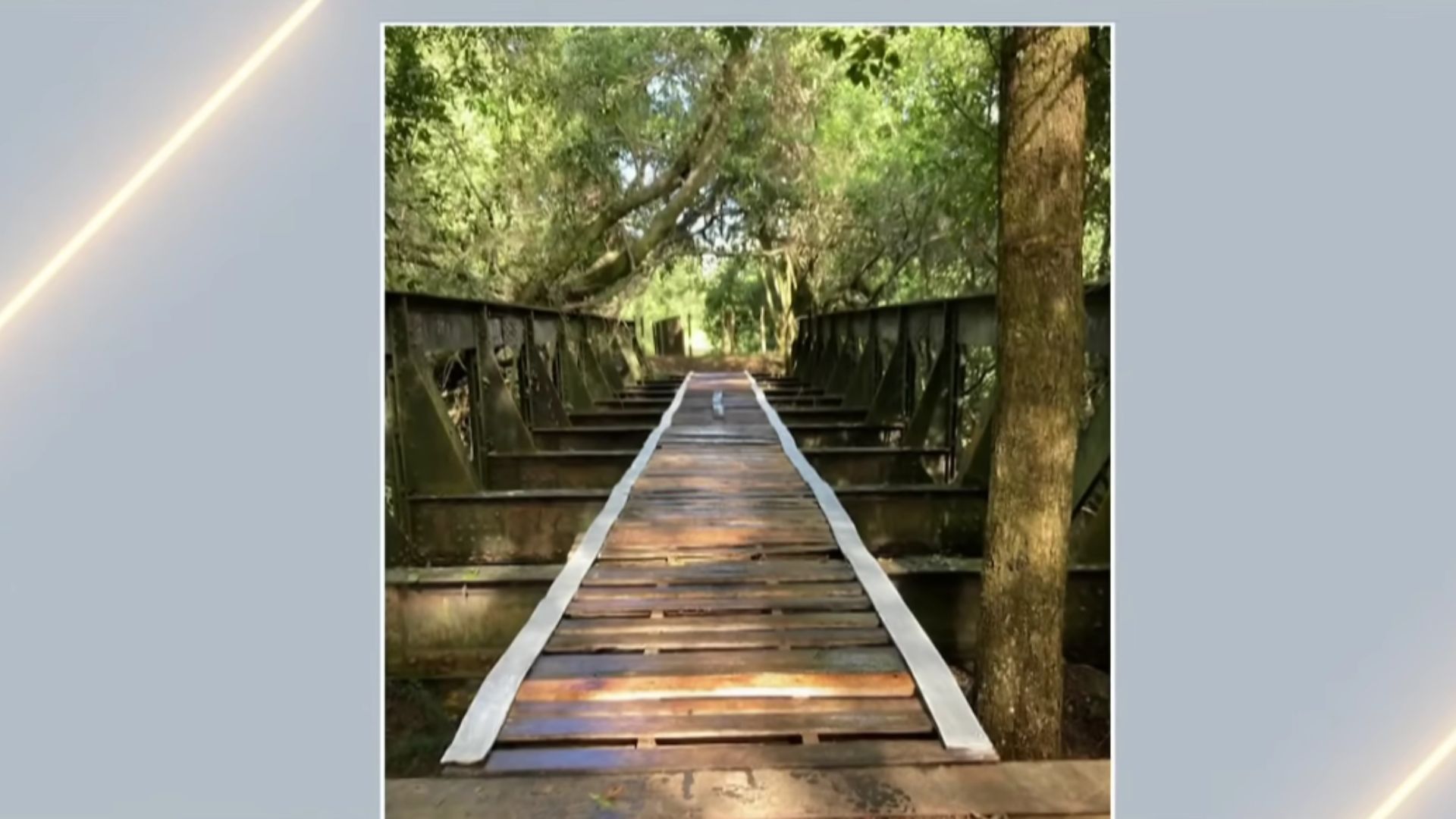
A solid iron bridge 20 meters long that came from England in 1880 simply disappeared from the rural area of Minas Gerais and was found 140 km away, on private property.



The decision was made by the municipality of Villasimius after the July 2025 fire, which hit the Punta Molentis region, destroyed vegetation, and led to the emergency evacuation of bathers by boat.
According to the local administration, the fire, exceptional maritime conditions, and the area’s environmental fragility made it necessary to further limit human presence on the beach and dunes.
Rule limits umbrellas in Punta Molentis
Under the new rule, visitors between 10 and 65 years old cannot set up umbrellas, tents, gazebos, or other shading systems while staying in Punta Molentis.
The exception applies to one umbrella per family unit with children up to 10 years old or per elderly person aged 65 and above, according to a municipal ordinance cited by Italian media.
In addition to the shade restriction, land entry is limited to 70 vehicles per day and up to 150 people simultaneously in the dune area.
Time control has also been reinforced, with access allowed from 8 am to 8:30 pm and a ban on staying after 9 pm, to reduce pressure on the Sardinian coast.
Those arriving by sea encounter their own rules, as disembarkation can only be done by authorized operators in the Capo Carbonara Marine Protected Area.
According to RaiNews, there is a limit of 100 people at the same time for visitors arriving by boat, with a maximum stay of one hour in the dune area.
To reduce environmental impact, these visitors are also not allowed to disembark with backpacks or thermal bags, a measure that accompanies the new access control package.
Fire prompted restrictions on Italian beach
The justification presented by the municipality is to reduce pressure on an environment considered fragile and to prevent excessive occupation of the sand from hindering emergency circulation.
Located in an area of high environmental and tourist value, Punta Molentis receives strong demand during the summer, which increases the need for control over equipment, stay, and visitor flow.
The 2025 fire became the main turning point in the management of the beach, as it exposed evacuation difficulties amidst the intense presence of bathers and objects on the sand.
Reports published by the international press indicate that people had to leave the area by boat, while vehicles were hit by the fire nearby and the local vegetation suffered significant damage.
After this episode, Villasimius tightened the rules on stay, shade, and crowding, linking the changes to environmental preservation and the safety of visitors.
In a statement cited by the Guardian, the municipal council stated that it was necessary to limit human impact and ensure the protection of natural heritage for future generations.
The same publication reported that the beach remained closed since July 2025, after the fire, and reopened to visitors under stricter rules.
Despite the environmental justification, the measure provoked a reaction among tourists and residents, mainly due to the restriction on shade in a region marked by intense heat in the European summer.
Part of the criticism focuses on the risk of sun exposure, as adults and teenagers, with few exceptions, cannot bring their own umbrellas to the beach.
Another point of discomfort is the charge to enter a public beach, even though the municipality defends the fee as part of the reservation and capacity control system.
Access fee and reservation control entry
The charge of 10 euros applies to visitors accessing Punta Molentis by land and is part of the monitored entry model adopted by the city hall.
Based on the European Central Bank’s reference rate of June 12, 2026, when 1 euro equaled R$ 5.9076, the amount is close to R$ 59.
This conversion may vary according to exchange rate, bank fee, and purchase date, so the amount in reais serves only as an approximation for the Brazilian public.
The new rules are part of a reservation and entry control system created to avoid overcrowding, organize the use of the sand strip, and reduce impacts on the protected area.
According to People, the city hall also prohibited leaving equipment on the beach overnight, a measure aimed at preventing early occupation of the sand and preserving the organization of the public space.
In practice, Punta Molentis now operates with access conditioned by schedule, capacity, permitted items, and length of stay, instead of free circulation throughout the season.
This format already appears on other Italian beaches pressured by tourism, especially in areas of environmental protection or places with disputes between public use and private exploitation.
Italian beaches face space dispute
The decision in Villasimius occurs within a broader debate about the use of the coastline in Italy, where stretches of public sand are often occupied by private concessions.
In various regions, beach clubs set up standardized chairs and umbrellas, while residents and tourists demand more free space and affordable prices to enjoy the sea.
The Guardian reported that, in Jesolo, near Venice, authorities reduced the number of positions with sun loungers and umbrellas by 20,000 to increase space between visitors.
The publication also cited data from Altroconsumo according to which the average cost of renting two chairs and an umbrella in private concessions rose 24% in five years and 6% in the last year.
In Sardinia, environmental protection has already resulted in other strict measures, such as fines against the removal of sand, shells, and stones from the island’s beaches.
Local authorities treat this practice as damage to the natural heritage, especially in tourist areas where visitor pressure increases during the busiest months of the year.
In Punta Molentis, the division by age group remains the most controversial point of the new rule, as it affects precisely the majority of adult visitors.
The municipality argues that the limitation is necessary to reduce environmental impact and avoid obstacles in case of evacuation, while critics claim that the lack of shade may drive tourists away from the region.


Be the first to react!