






 Portuguese
  Spanish
  5 min of reading
  0 comments


The initiative shows how a shared kitchen can help those who sell food informally to access professional infrastructure, receive training, gain collective support, and transform family recipes into small food businesses in the USA
Immigrant cooks in the USA found in a shared kitchen in San Francisco a way to leave informality and transform family dishes into their own businesses. The case shows how homemade food, when it finds structure and guidance, can become a real income path.
The information was released by La Cocina, a non-profit organization in San Francisco. The entity offers affordable kitchen, training, resources, and community to support food entrepreneurs, focusing on women, immigrants, and people of color.
The practical impact is in the point that many cities know well, including in Brazil. There are people who know how to cook, sell to survive, and have strong recipes, but cannot grow because they lack adequate space, money, guidance, and access to the formal market.
-
It started with 20 Uber drivers in a WhatsApp group and turned into an ecosystem of 8,000 people with discounts, a street rescue network, and a headquarters provided by a politician on the Salvador waterfront.

-
SpaceX’s public offering is expected to spread fortunes beyond Elon Musk and major investors, with thousands of employees and former employees benefiting from shares accumulated over years of work in a company that started as a risky bet in the space sector.
-
From a collectible item to an environmental solution: a 15-year-old Brazilian student develops a project to recycle World Cup sticker paper, preventing landfill disposal and giving a new purpose to waste generated after major sporting events.

-
Women who previously feared moving around alone in Indian cities learned to drive, became professional drivers, and turned the steering wheel into a source of income, security, and autonomy.



The shared kitchen that became a gateway for small food businesses
A shared kitchen functions as a structure used by different entrepreneurs. Instead of each person needing to set up a professional kitchen alone, the space allows for food production with more organization and support.
This model reduces an important barrier for those starting small. Setting up one’s own structure can be too expensive, especially for immigrant women who already face difficulty accessing money, contacts, and opportunities.
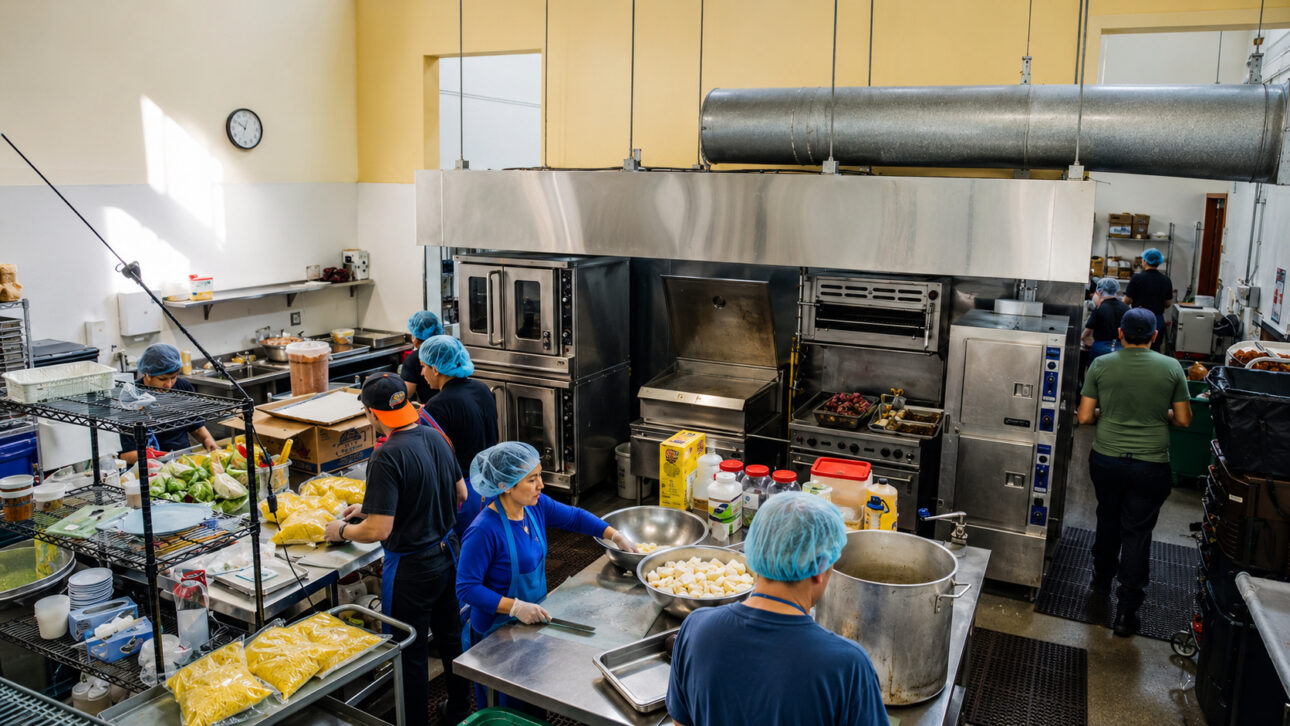
In San Francisco, La Cocina’s proposal gained strength because it combines physical space and support. The kitchen ceases to be just the place where food is made and becomes a step to organize the business.
From Family Recipe to Formal Business in the Food Sector
Many food businesses are born at home. A person starts with a family recipe, sells to acquaintances, receives orders, and gradually realizes there is demand. The problem arises when the business needs to grow.
Without support, this transition can be difficult. Informality limits production, complicates expansion, and prevents the entrepreneur from reaching larger markets. Therefore, access to an adequate kitchen changes the way food reaches the public.
In the case of La Cocina, the focus is not just on the finished food. The initiative looks at the person behind the recipe, the family history, and the opportunity to transform culinary knowledge into a source of income.
Why Immigrant Women Face More Barriers to Growth
Immigrant women may have talent, clientele, and the desire to start a business, yet they still encounter obstacles to formalizing a business. The lack of structure, guidance, and support network weighs heavily on this path.
In the food sector, cooking well is just part of the journey. It is also necessary to learn how to organize production, serve customers, think about pricing, maintain standards, and understand how the business can advance without losing its identity.
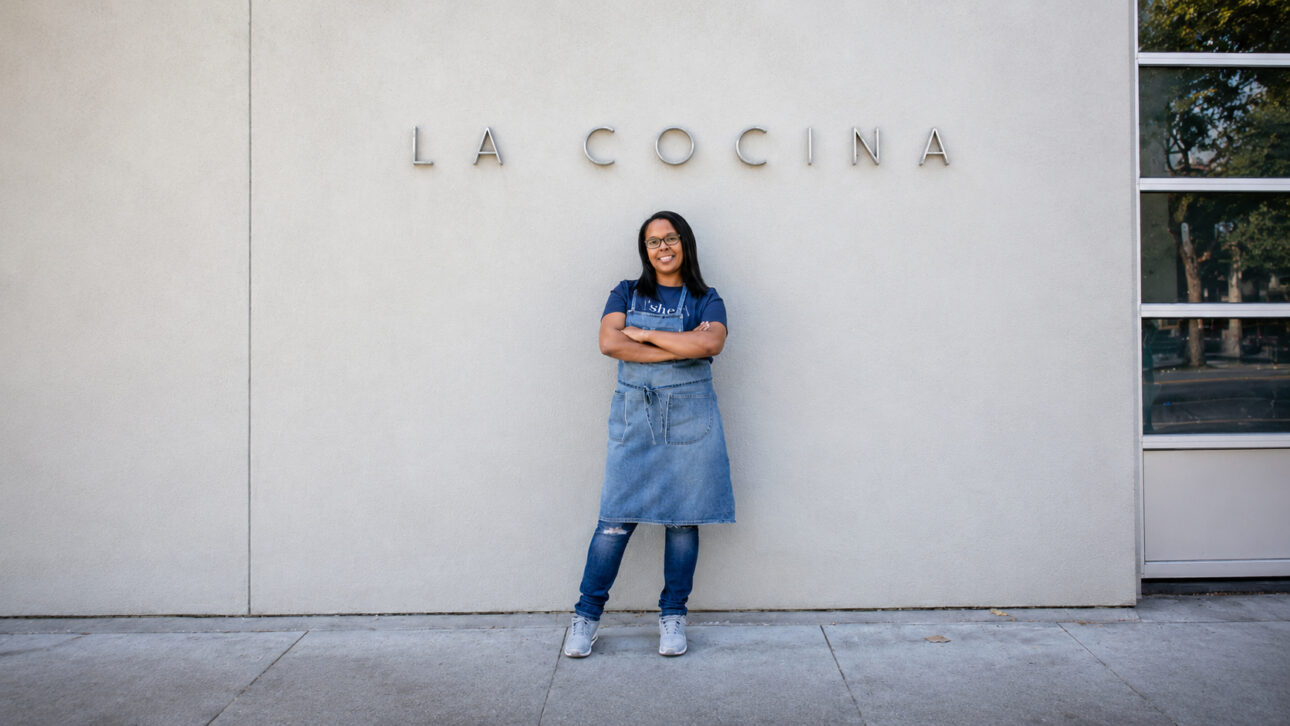
Therefore, collective support makes a difference. The shared kitchen helps reduce isolation and creates an environment where entrepreneurs can learn, exchange experiences, and find safer paths.
La Cocina Uses Training, Resources, and Community to Support Entrepreneurs
La Cocina, a non-profit organization in San Francisco, explains that its approach combines accessible kitchen, training, resources, and community. This combination is important because the problem is not just the lack of a stove or a counter.
Those who sell food informally also need practical guidance. The entrepreneur needs to understand how to take the next steps, how to organize the routine, and how to transform production into something more sustainable.
This support prevents the person from relying solely on trial and error. Instead of facing everything alone, they find a structure designed for small food businesses that already exist in practice but still need to formalize.
What the model teaches for Brazilian cities
The experience of San Francisco resonates with a very common reality in Brazil. In various cities, people sell cakes, lunch boxes, savory snacks, sweets, and regional dishes from home but cannot grow due to lack of infrastructure.
A shared kitchen can serve as a bridge between culinary talent and the formal market. It does not replace the entrepreneur’s effort but reduces some of the barriers that prevent many businesses from advancing.
The central point is simple. When the city provides conditions for small entrepreneurs to produce better, food ceases to be just an informal sale and can become a more organized economic activity.
Food incubators can strengthen neighborhoods and family stories
A food incubator is a space that helps small entrepreneurs develop businesses. In simple terms, it is a place where a person receives support to transform an idea or an informal sale into a company.
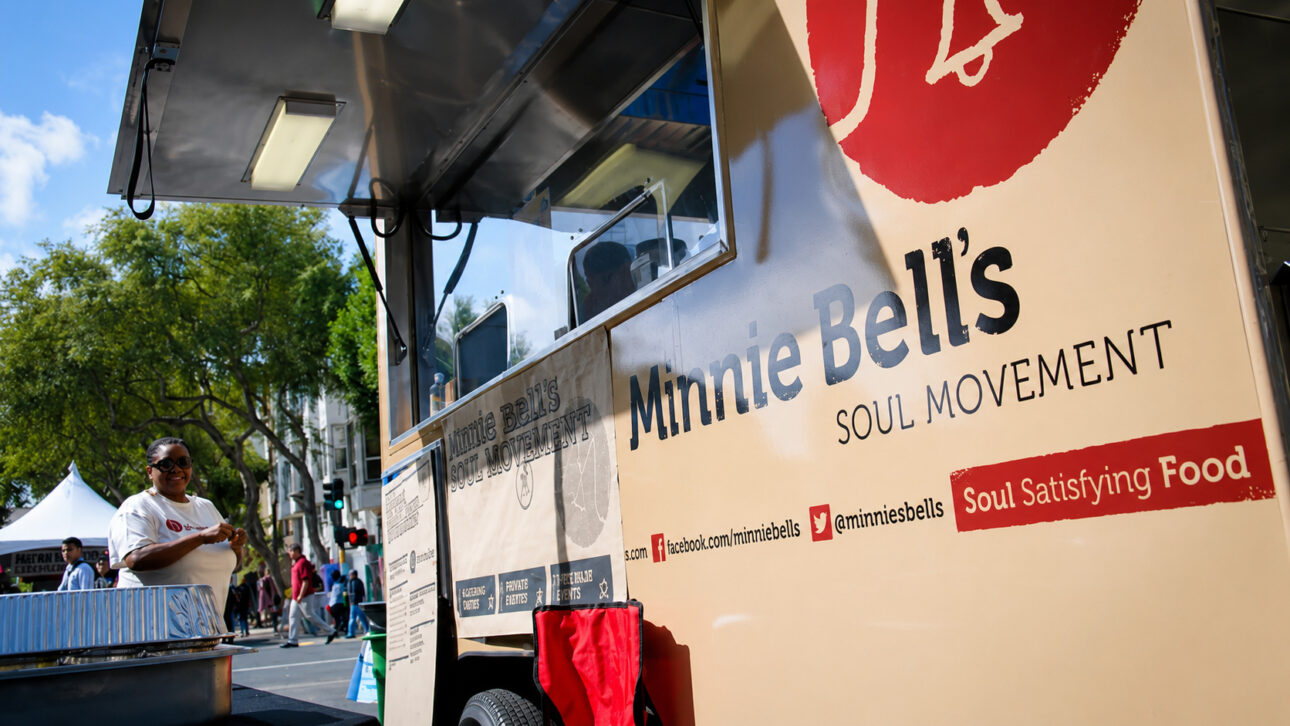
This type of structure can strengthen neighborhoods because it keeps the economy close to the people. Money circulates within the community, traditional recipes gain value, and small businesses have a better chance of staying alive.
There is also a cultural value in this change. Family dishes carry memory, origin, and identity. When these dishes enter the market with adequate support, the story of the cook also gains space.
The experience of La Cocina shows how a shared kitchen can be more than just a food preparation space. It can become a tool to organize small businesses, support immigrant women, and pave the way for entrepreneurs who already had talent but lacked structure.
In San Francisco, family dishes have come to occupy a new place in the local economy. The food that might have been limited to informal sales found support, training, and community to enter the market with more strength.
If a shared kitchen can transform family recipes into businesses in the USA, how many similar stories could grow in Brazil with structure, guidance, and support in the right neighborhood?




Be the first to react!