Portuguese
  Spanish


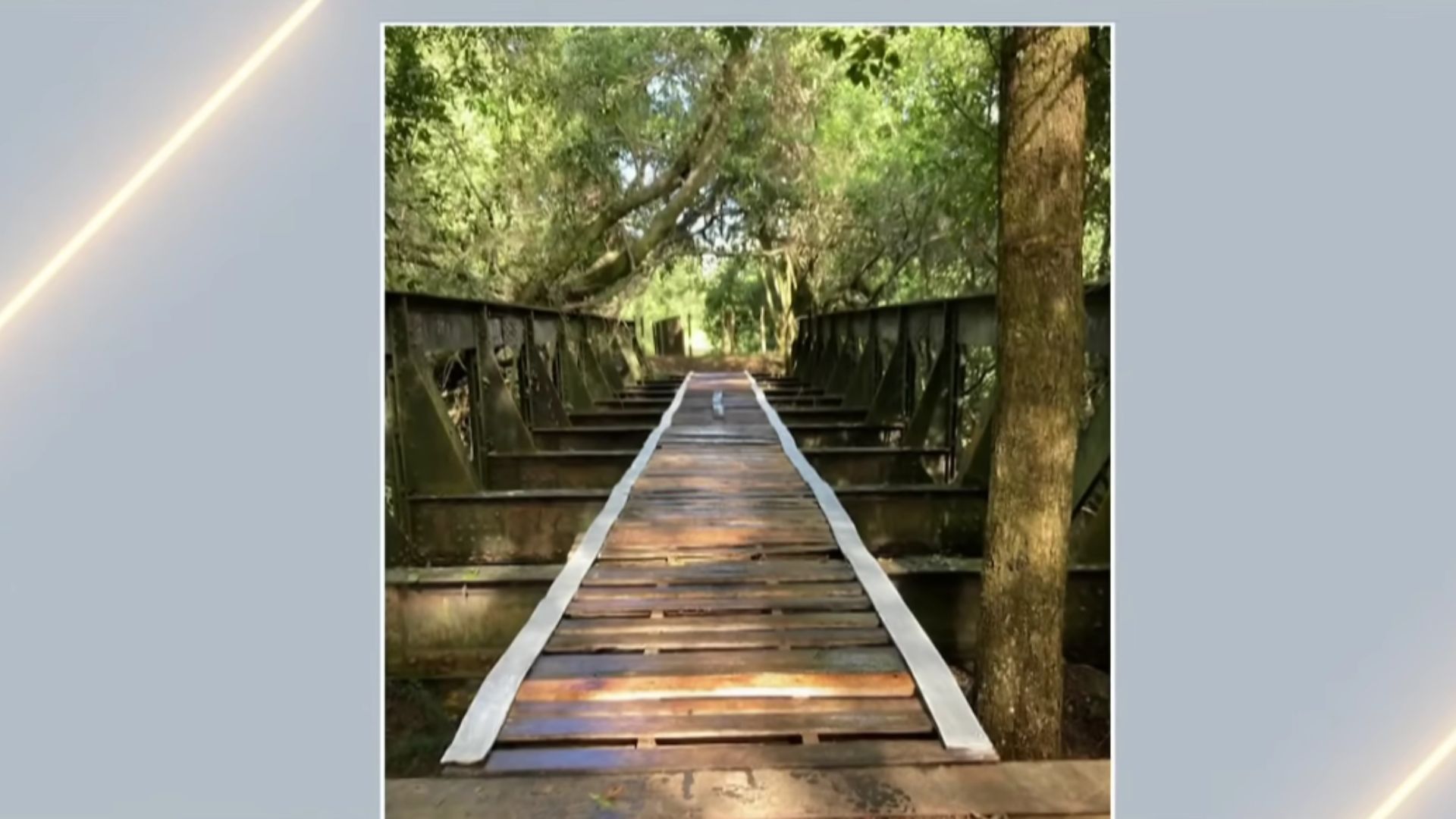

The solid iron bridge was 20 meters long, five meters wide, and was located on a deactivated section of the Oeste de Minas Railway, in the municipality of Prados. No one knows the exact day it disappeared. The police found backhoe marks at the site and located the structure 140 km away, inside a private property in Conceição de Ibitipoca.
The solid iron bridge in Prados was not just a metal structure over a stream in the rural area of Minas Gerais. It came from England. It arrived in Brazil in the 1880s to be part of the Oeste de Minas Railway and remained for over a century on that section of the so-called Route 58, in the village of Pitangueira. Cars and trucks stopped using it when the railway section was deactivated, but cyclists and pedestrians continued to cross it. Tourists visiting Prados, a historic city in Campo das Vertentes, included the solid iron bridge in their regional itineraries. Until the structure simply vanished, according to the G1 report.
No one in Prados knows for sure on what day the solid iron bridge disappeared. Residents reported that until the Thursday before the discovery it was still in place (June 3 or 4, 2026). When the disappearance was noticed (June 8, 2026), the Prados City Hall received the alert and the police were called. What the teams found at the site indicated that the theft was not improvised: the access road to the region had been blocked by piles of earth, and there were marks of heavy machinery around, including a backhoe. Someone planned how to dismantle, move, and hide a 20-meter solid iron bridge without being seen. And for some time, they succeeded.
A solid iron bridge that came from England and stayed 140 years in Minas
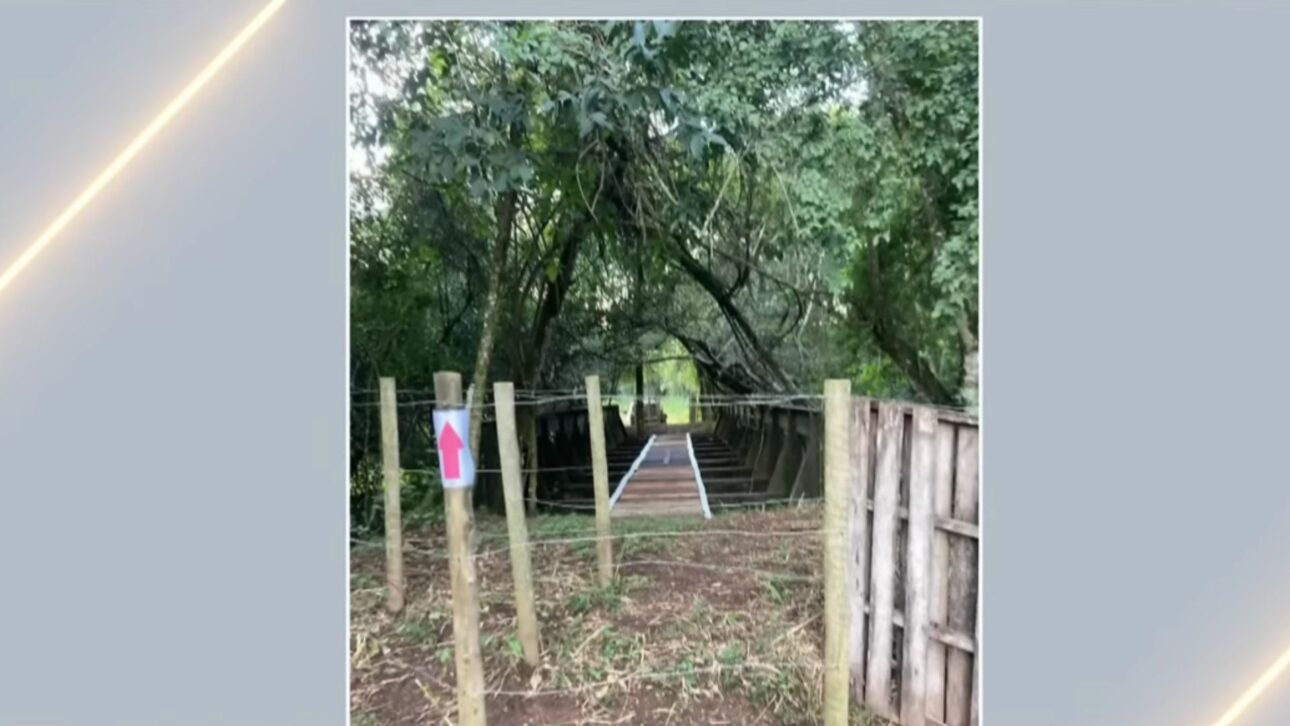
Its origin was British: it arrived in Brazil around 1880, at a time when England was exporting railway infrastructure to developing countries throughout Latin America. The structure was 20 meters long by five meters wide, dimensions that, for a solid iron object, represent a considerable weight, enough to require heavy machinery both to install and to remove it.
-
Son of Poor Farmers Fled Home Four Times Seeking Work, Founded Hyundai, and Transformed It into a Global Industrial Giant in Over 190 Countries

-
13-Year-Old Raises Funds to Build Well, Transforming Lives in Cambodian Community Lacking Clean Water

-
Man with Metal Detector Finds Medieval Silver Seal in England, Uncovers 2,000-Year-Old Roman Gem with ‘Richard’s Secret’

-
Thailand Converts 8 Tons of PET Bottles into 3,500 School Backpacks, Showcasing Circular Economy with Over 40 Factories Involved





Even out of operation as part of the railway, the solid iron bridge continued to be used by cyclists, walkers, and tourists who traveled through that region of the Minas Gerais countryside. Prados is a historical and tourist city, and the British structure was part of the local heritage circuit. “We receive tourists looking for historical parts in the city of Prados, and this bridge was well accessed by this public”, said a representative of the city hall to the G1 report. For cyclists who frequented the stretch, the solid iron bridge was a mandatory stop for photos.
The roadblock and the backhoe marks
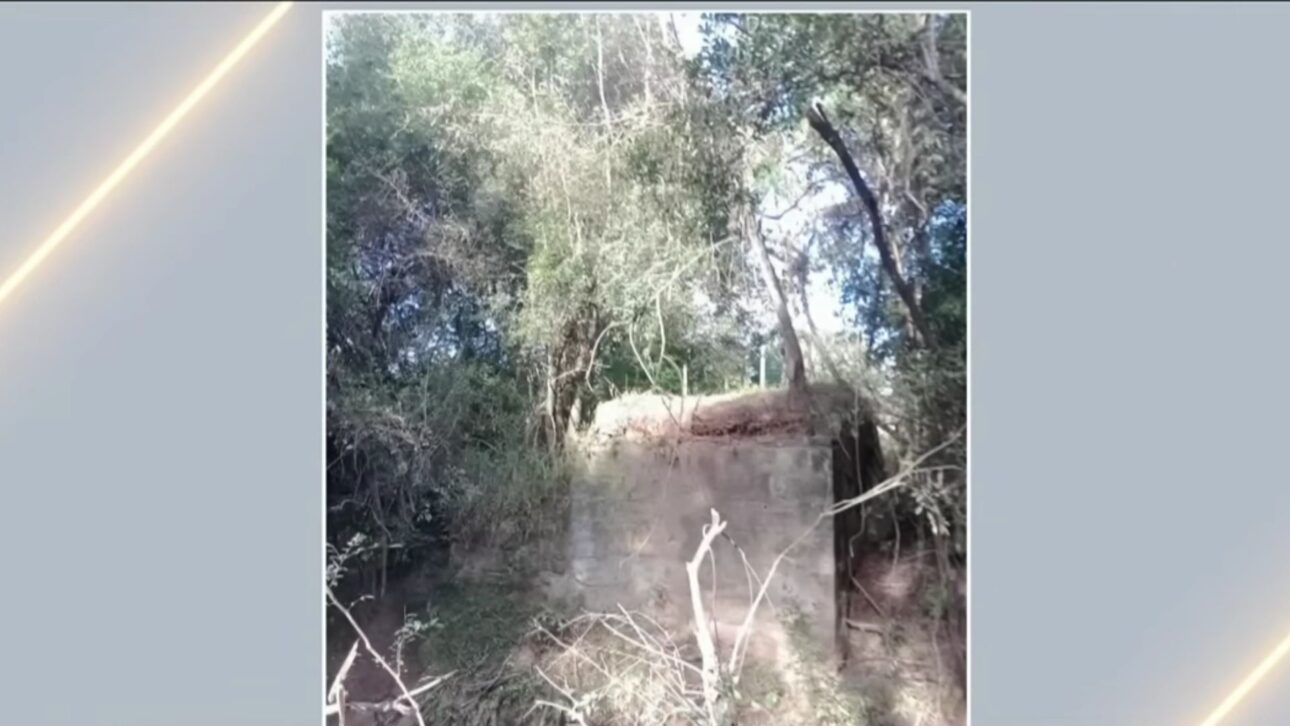
The access road to the region had been blocked with piles of earth, a clear measure to hinder the passage of vehicles during the operation to remove the structure. Around the place where the bridge was located, the police identified marks of heavy machinery, including backhoe tracks, the type of equipment necessary to move and dismantle a solid iron structure of that size.
The combination of access blockage and use of heavy machinery indicates that those responsible for the theft needed time, organization, and at least one large vehicle to carry out the operation. Dismantling a 20-meter solid iron bridge, transporting it on rural roads without being caught, and taking it 140 km away is not something that happens on a whim overnight. The civil police began investigating the case as a planned theft of public property, suspecting that more than one person was involved.
140 km away and a private property at the end of the road
The civil police investigation led the teams to trace the route of the solid iron bridge through Minas Gerais. The structure had departed from Prados, in Campo das Vertentes, and traveled 140 km to reach the Zona da Mata region of Minas Gerais, more specifically to the district of Conceição de Ibitipoca, in the municipality of Lima Duarte. The final destination was not a scrapyard or an industrial depot. The solid iron bridge was found inside a private property on June 9, 2026.
The police team that arrived at the location confirmed that the structure was the same one that had disappeared from Prados. Those involved began to be investigated, and the responsible agencies started logistical planning to transport the solid iron bridge back to the municipality of origin, as reported by G1. The same logistical challenge that the thieves faced when removing the structure now confronts the public authorities as they try to return it: moving 20 meters of solid iron over 140 km of road is neither simple nor cheap.
Why someone would steal an entire solid iron bridge


The most obvious motivation for the theft of a historically significant solid iron structure is the value of the metal for resale as scrap. Iron and steel with over a century of use have a market in the metal recycling sector, and a 20-meter solid iron bridge represents tons of material that, fragmented and sold by the kilo, can generate a significant amount. This type of public metal asset theft is not uncommon in Brazil: electrical cables, manhole covers, road signs, and pieces of abandoned infrastructure regularly disappear.
What makes the case of the solid iron bridge in Prados different from most is the scale. Stealing a few meters of electrical cable requires pliers and a backpack. Stealing a 20-meter long and five-meter wide solid iron bridge requires a backhoe, a heavy-duty truck, road blockage, and a planned destination to hide the structure without drawing attention. The level of organization of the crime suggests that those responsible had prior experience with moving heavy material and some knowledge of the market value of solid iron of those dimensions.
Prados in shock: the solid iron bridge as the city’s identity
The impact of the disappearance of the solid iron bridge in Prados went beyond indignation over the theft. The city received well over a century of history when that British structure was installed, and the residents carry this as part of the local identity. “For many, it’s just a bridge, but for the city of Prados, it’s a part of the municipality’s history,” summarized a resident to G1. The sentiment expressed by those living in Prados is that something belonging to everyone was taken away against the will of the entire community.
The cyclists were one of the groups most directly affected. The massive iron bridge was a mandatory stop on routes through the region’s interior, a photo spot, and a route reference. Luiz, a member of cycling groups that frequent Prados, told the report that the bridge “was a postcard for cyclists” and that everyone who passed by stopped to take a photo. With the massive iron bridge out of place, one of the physical marks of the railway history of Minas Gerais ceased to exist in that section of Route 58.
What the investigation still needs to answer
The civil police of Minas Gerais identified the whereabouts of the massive iron bridge, confirmed that the structure was on private property in Conceição de Ibitipoca, and began investigations to identify and hold those involved accountable. But several central questions had not yet been publicly answered by the time of the G1 report’s publication: who hired or organized the operation to remove the massive iron bridge, how the structure was transported 140 km without being intercepted, who owns the property where it was found, and what was the planned final destination for the material.
The return of the massive iron bridge to Prados is also pending. The responsible authorities have taken on the logistics of transporting it back, but the operation involves the same technical challenges as the theft: moving tons of massive iron through rural roads in the interior of Minas Gerais. What the population of Prados wants, according to their representatives, is to see the massive iron bridge back in the place where it stood for over 140 years, before a planned theft operation with a backhoe broke this historical link between the city and its British railway.
Stealing a 20-meter massive iron bridge, with over 140 years of history, carrying it 140 km, and hiding it on private property is a crime that reveals how vulnerable Brazilian public heritage is, or does this type of theft happen because the public authorities abandon these structures and do not protect them? Should the massive iron bridge return to Prados? Leave your opinion in the comments.