






 Portuguese
  Spanish
  5 min of reading
  0 comments


With 1,954 registered breweries, 44,212 products, exports of US$ 218.4 million, and production above 15 billion liters, the Brazilian brewing sector reaches its largest historical size but reveals slower internal growth, regional concentration, and changes in foreign trade.
With 1,954 registered breweries in 2025, Brazil reached the highest number in the historical series in the Beer Yearbook 2026, released by the Ministry of Agriculture and Livestock, despite growing only 0.3% in the year.
This data is important because it shows a broad sector, present in hundreds of cities, impacting employment, industry, foreign trade, and offering to the consumer, but indicates a loss of momentum after years of expansion.
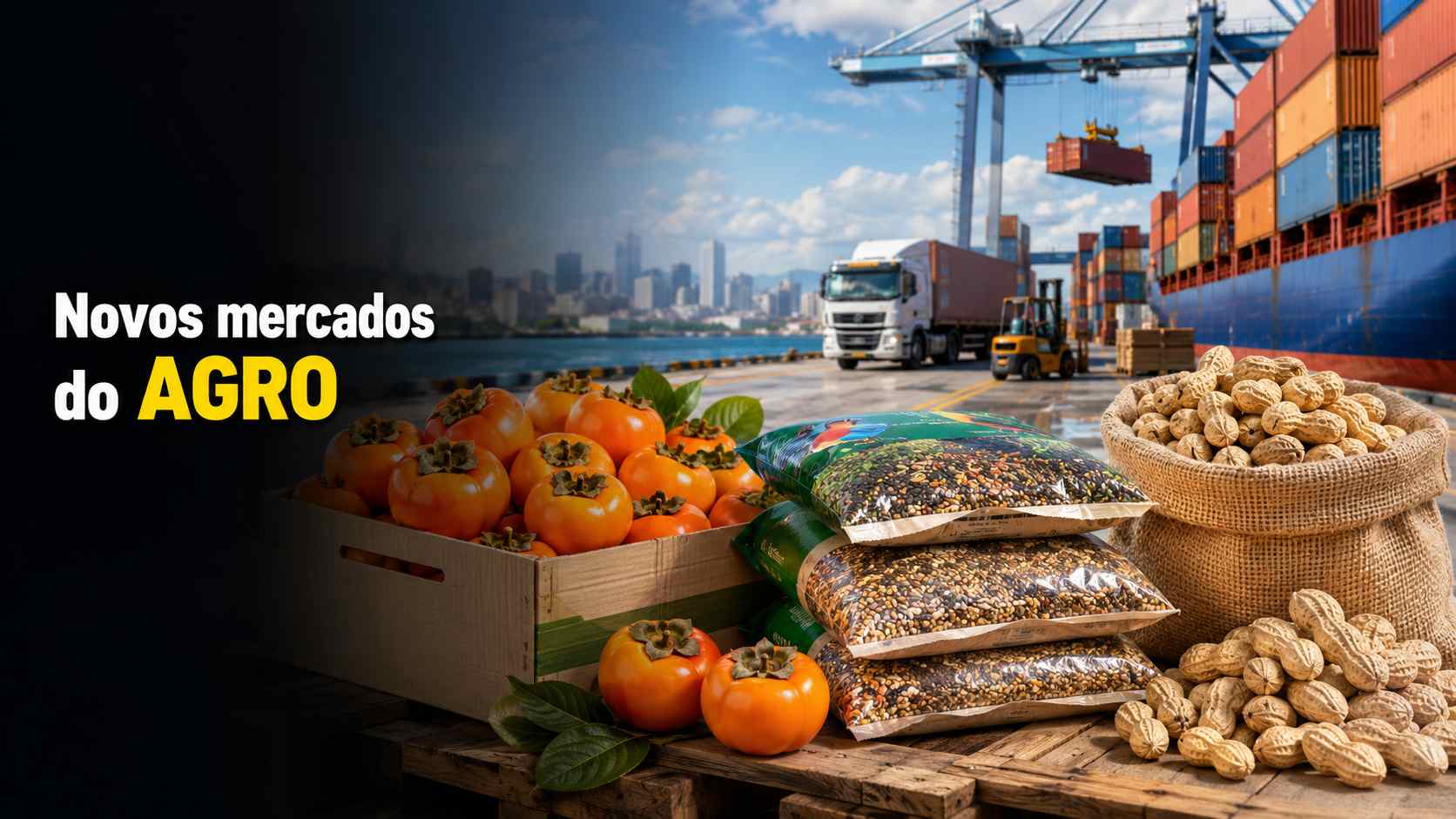
Beer Yearbook 2026 shows record with growth slowdown
The historical series reveals the magnitude of the change. In 2000, the country had 40 registered breweries. By 2025, it reached 1,954, an accumulated increase of 4,785% in the period analyzed by Mapa.
-
FIRJAN’s mega plan of R$ 526.3 billion for Rio de Janeiro aims to revive Brazil’s largest industry, with two-thirds of the investments going to oil and gas.

-
China signals an increase in beef imports, Brazil has already consumed 70% of the 1.106 million ton quota and seeks to renegotiate the tariff that jumps from 12% to 55%, while demand from the US also skyrockets.
-
Food inflation rose 302% in 20 years in Brazil, but the supermarket changed: purchasing power yielded 87% more mortadella and 31% less fruit, and ultra-processed foods took over the cart.
-
Petrobras sells the first batch of 3,800 m³ of aviation fuel made with certified soy, capable of reducing emissions by up to 70%, in an unprecedented project that anticipates the aviation sector’s requirements expected for 2027.
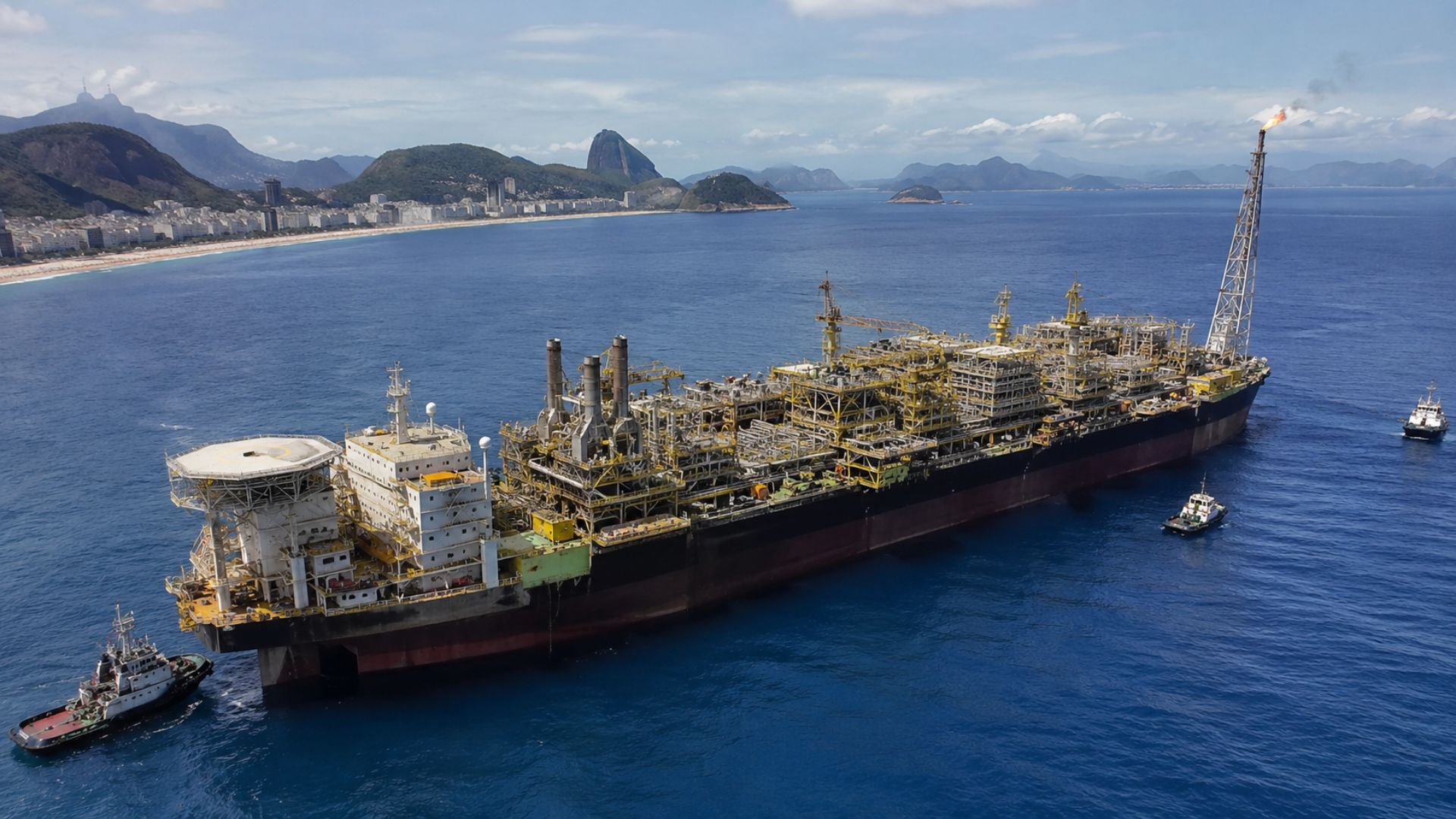


The most recent advance, however, was minimal. The net increase was only five establishments compared to 2024, the third smallest absolute increase in the series, tied with 2002.
The comparison helps to gauge the slowdown. In 2016, the sector recorded the largest relative jump, with an increase of 48.5%. In 2019, there was the largest absolute increase, with 320 more breweries.
This contrast indicates that the market remains large but has entered a phase of maturity or adjustment, with new registrations coexisting with cancellations, expirations, and reductions in some states.
Southeast concentrates almost half of the country’s breweries
São Paulo remains the main hub, with 452 registered breweries and a growth of 5.9% in 2025. The state added 25 establishments, the largest absolute advance among the federation units.
The Southeast concentrates 923 breweries, equivalent to 47.2% of the national total. It was also the only region with a positive variation, advancing 3.8% compared to the previous year.
The South follows, with 759 establishments, or 38.8% of the country. Despite its historical strength, the region lost 15 breweries during the year, the largest absolute reduction among the regions.
Rio Grande do Sul had the largest decline in absolute numbers among the states, with 24 fewer breweries. The total fell from 349 to 325, a reduction of 6.9%.
The annual report also recorded 158 cancellations or expirations of brewery registrations in 2025, an increase of 42.3% over the 111 occurrences in 2024. Rio Grande do Sul and São Paulo led these closures.
Breweries reach 794 Brazilian municipalities
The brewing activity is present in 794 municipalities, 14.3% of Brazilian cities. In 2024, there were 790 municipalities, which shows a small but positive territorial expansion.
The city of São Paulo leads the municipal ranking, with 61 breweries. Porto Alegre appears with 35, Curitiba with 25, Belo Horizonte with 24, and Caxias do Sul with 21.
The five cities with the most breweries, however, saw a reduction in the number of establishments. At the same time, the list of municipalities with ten or more breweries rose to 25, two more than in 2024.
In brewery density, Santa Catarina leads among the states, with one brewery for every 32,625 inhabitants. The national average is one brewery for every 108,794 inhabitants.
The municipality with the highest density remains Linha Nova, in Rio Grande do Sul, with one brewery for every 860 inhabitants. The city has two breweries for 1,720 residents.
Products, brands, and production reinforce the diversity of Brazilian beer
The number of registered beers grew again in 2025. Brazil recorded 44,212 products, an increase of 2.4% over the previous year, with an addition of 1,036 registrations.
São Paulo also leads in this indicator, with 13,240 registered products and an increase of 3.4%. Minas Gerais, Santa Catarina, Paraná, and Rio de Janeiro appear among the largest volumes of product registrations.
The country also reached 56,170 registered beer brands. This data reinforces the diversity of the chain, even in a year of moderate growth in the number of establishments.
In production, the Annual Production and Stock Declaration indicated a volume exceeding 15 billion liters in 2025. Of this total, 29.2% corresponded to pure malt beers.
Another relevant movement was the growth of gluten-free beers, with an increase of over 400% in the volume produced. The data indicates diversification of the offer for different consumption profiles.
Exports hit record in value, even with lower volume
Brazilian beer exports totaled 315.5 million liters in 2025, a decrease of 5.1% in volume. Even so, the exported value reached US$ 218.4 million, the highest mark in the historical series.
The result shows that the sector sold fewer liters abroad but achieved higher revenue. Brazilian beer reached 77 countries, with a strong concentration in South America.
The South American market accounted for 98.5% of the exported volume. Paraguay was the main destination, with 62.3% of external sales, followed by Bolivia, Uruguay, Argentina, and Chile.
Imports followed a different path. The imported volume grew by 251.4%, rising from about 7.5 million to 26.3 million liters. The value increased by only 1.7%, to approximately US$ 9.4 million.
The United States led sales to Brazil, with 19.5 million liters, 74.2% of the total imported. Germany, Argentina, Uruguay, and Spain completed the list of main suppliers.
Direct employment exceeds 41 thousand positions in the brewing chain
The beverage sector surpassed 143 thousand direct jobs in 2025. Within this universe, the production of malt, beer, and draft beer totaled 41,976 positions, despite a 2.67% decrease.
The production of beer and draft beer accounted for 41,305 jobs, while malt and whiskey malt totaled 671. The segment remains responsible for 70.24% of direct jobs in alcoholic beverages.
Director Hugo Caruso highlighted the increase in exported value and the historic trade balance surplus. Márcio Maciel, from Sindicerv, associated the numbers with the sector’s adaptability.
The Beer Yearbook 2026 compiles records, production, foreign trade, and employment in a portrait of a large, more internationalized, and more diverse sector, but with clear signs of domestic slowdown in 2025.
This article was prepared based on information released by the Ministry of Agriculture and Livestock and Beer Yearbook. The content was supported by AI tools in editorial organization and underwent human review before publication.





Be the first to react!