






 Portuguese
  Spanish


The construction of the Line 6-Orange in Bixiga revealed one of the most impressive urban archaeological finds in São Paulo: traces of the Saracura Quilombo, objects linked to Afro-Brazilian culture, and a history buried by decades of urbanization.
Beneath the asphalt, the noise, and the hustle of downtown São Paulo, there was a secret buried meters deep. When the machines of the new subway line began to drill into the soil of a historic neighborhood in the capital, in 2022, what they found was not just earth and rock. It was history. A community of fugitive slaves from the 19th century, buried under decades of urbanization, resurfaced before the engineers in the form of ceramics, coins, shoe leather, and sacred objects from African-rooted religions.
According to a report by Terra/Estadão published in April 2026, the find almost led to the cancellation of the entire station. And, along with other unforeseen events in the construction, forced the government to pay R$ 3.6 billion more than expected.
The community that the city tried to forget
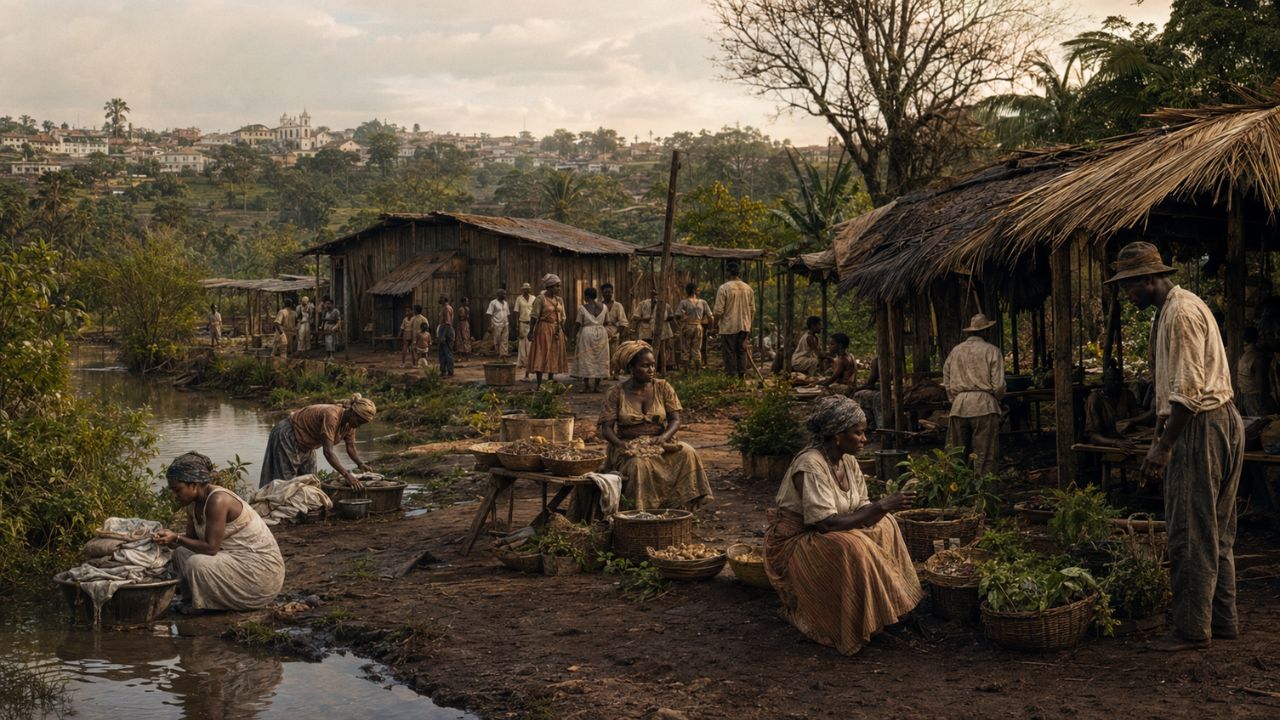
The neighborhood today is remembered for its Italian heritage, but it holds a much older history. In the 19th century, before the arrival of European immigrants, the region was black territory. Enslaved people fleeing from farms or buying and selling fairs found refuge in that swampy and rugged terrain, on the banks of a stream that cut through the city center.
-
Boeing Buys Back Spirit AeroSystems for $8.3 Billion After 737 Mid-Flight Door Incident

-
Nike’s Old Shoes Recycled into Courts, Tracks, Playgrounds, Gym Floors, and New Footwear in Program Transforming 67,000 Tons of Sports Waste into a Global Industry

-
Canadian Woman Who Donated Savings to Haiti Earthquake Victims at Age 5 Wins $48 Million in Lottery 13 Years Later
-
118-Year-Old Brazilian Man, Living in a Care Home for 55 Years, May Become World’s Oldest Man Pending Guinness Validation


There was born the Saracura Quilombo, one of the first urban settlements of fugitive slaves in São Paulo. Laundresses, herb sellers, and informal workers formed a community that survived for decades on the riverbanks. Later, this same soil became a cultural cradle: in 1930, the carnival group that gave rise to one of the most traditional samba schools in the country emerged there.
The memory that was buried
With accelerated urbanization and the massive arrival of European immigrants starting in 1880, the black presence in the region was systematically erased from the official narrative. The settlement disappeared from maps, books, and collective memory. But it never left the ground.
The drill found what history forgot
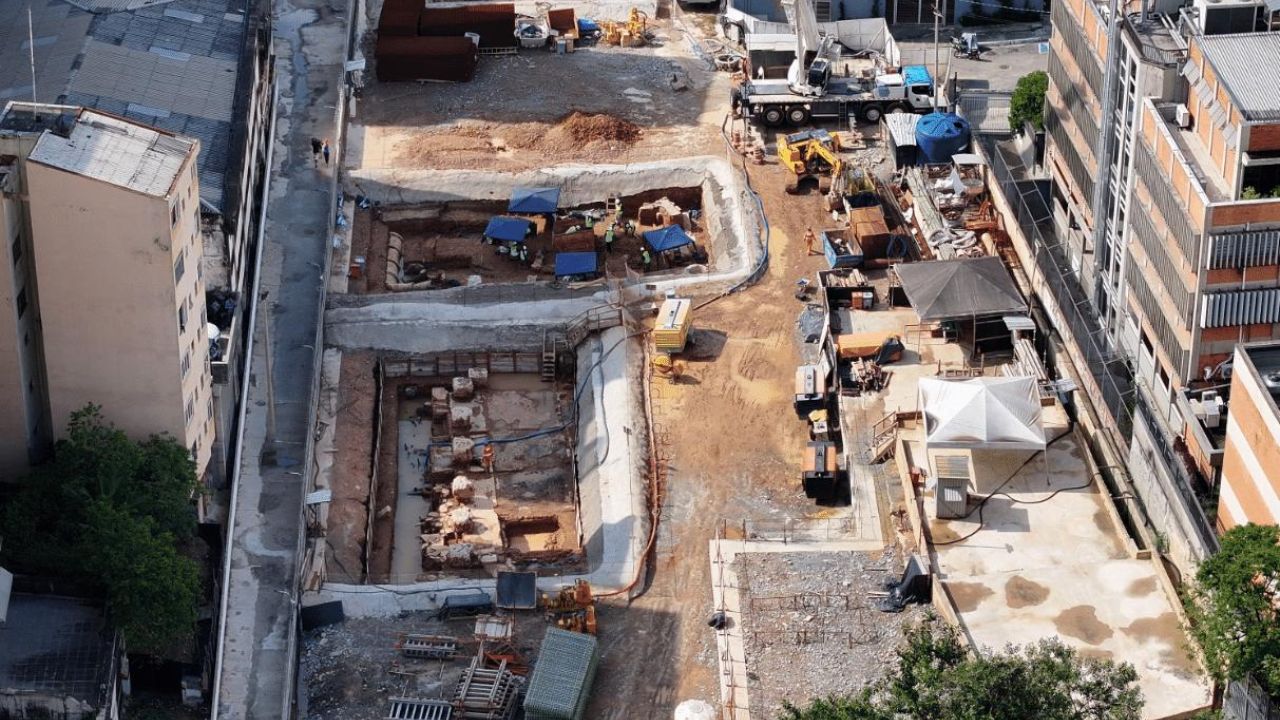
In 2022, the excavations for the new subway station reached the area where the headquarters of a traditional samba school once operated. A few meters deep, the hired archaeology company found ceramic pieces, glass, and shoe leather, relics that experts immediately associated with the 19th-century enslaved settlement.
The works were halted. The Iphan (National Institute of Historical and Artistic Heritage) was called in. And what seemed like a one-off setback turned out to be one of the largest archaeological sites ever discovered in an urban project in Brazil.
Tens of thousands of unearthed objects
Tens of thousands of unearthed objects
Throughout the excavations, tens of thousands of archaeological items were removed from the underground, according to the movement Mobiliza Saracura Vai-Vai. Among them: bead threads, shells, and a iron sculpture identified as a possible representation of the orixá Exu. Historians hypothesized that the site housed a temple of African-based religions, evidence of a community that resisted slavery on that very piece of land.
The price of history: R$ 3.6 billion and over 1,000 days
According to a report by Terra/Estadão published in April 2026, the station was almost removed from the project. The delay in archaeological excavations was so significant that the government considered removing the stop from the line’s route. Combined with a geological setback in another section, the two problems together threatened to delay the delivery by more than a thousand days, pushing the inauguration to 2028.
To avoid a collapse of the schedule, the state government decided to completely change the excavation method. The decision cost an additional R$ 3.6 billion, as informed by Artesp to Terra/Estadão. The concessionaire Linha Uni, responsible for the work, stated in a note that the definitions are technically and legally supported. Artesp itself admitted that without the measure, the cost would have been even higher: R$ 4.4 billion. The total cost of the line reached R$ 19 billion, according to Artesp.
The station got a new name and a new mission
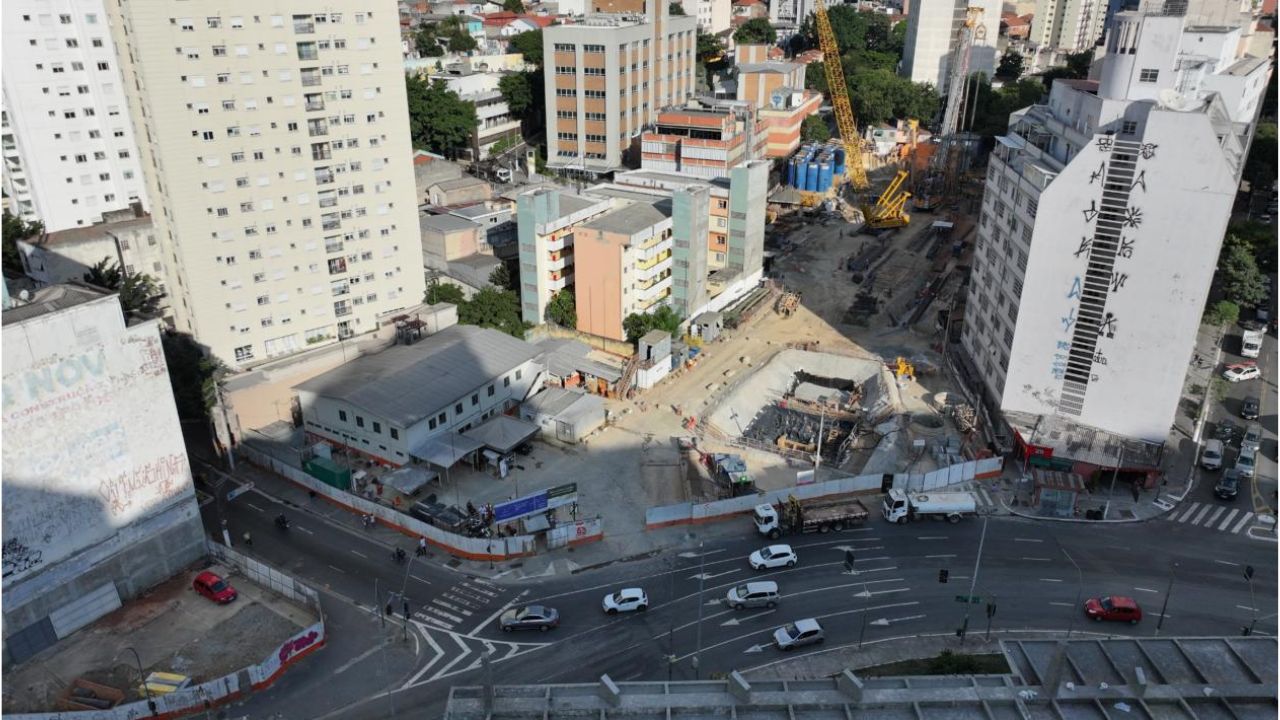
In June 2024, the São Paulo government signed the official renaming: the station was renamed 14 Bis-Saracura, in honor of the archaeological site and the black memory of the region. The change met the main demand of the Mobiliza Saracura Vai-Vai Movement, formed by more than 150 entities including architects, historians, and activists.
In March 2026, Iphan completed the archaeological rescue and allowed the definitive resumption of the works, after more than three years of excavations. The agency also determined that part of the collection be displayed at the station itself, transforming the subway into a permanent memorial of São Paulo’s black resistance.
What will pass daily through that station, thousands of passengers heading to work and the rush of the city, will cross, unknowingly, over the foundations of a community that refused to disappear. Will that be enough not to forget?


