






 Portuguese
  Spanish


The largest water company in the UK is so indebted that it almost ran out of cash, had its creditors’ bailout plan rejected by the government, and may end up in the hands of the state, in a collapse that exposes the failures of water privatization in England
Thames Water, the largest water distributor in the UK, has reached the brink of bankruptcy with nearly 20 billion pounds of debt and now risks being nationalized. The company, which supplies 16 million people in London and the south of England, saw the American fund KKR abandon a rescue plan and had the creditors’ bailout proposal rejected by the British government, which is considering taking control of the company.
How does a company that only sells something as essential as water break in this way? Because for years it accumulated a mountain of debt while the infrastructure aged and rivers received sewage. Now the bill has come due, and the country is debating whether to let the company collapse, hand control to creditors, or bring back to the state the water supply for millions of Britons.
The company that supplies water to 16 million people
The size of Thames Water is what makes the crisis so severe. According to Water Magazine, the company is the largest water distributor in the UK and serves about 16 million customers in London and much of the south of England.
-
New $42 Million Bridge Over Brazil’s São Francisco River Surpasses 50% Completion, Ending Decades of Anticipation

-
Brazilian Homebuyers Still Fall for Illegal “Drawer Contracts,” Risking Foreclosure and Long Legal Battles Without Deeds.

-
World’s Largest Pencil Factory, Producing 2 Billion Annually, Operates in a Brazilian University Town with Its Own Sustainable Forest

-
World’s Largest Banknote Printer is a British Private Company Producing Currency for Over 69 Nations




It’s not just any company that can simply close its doors. Water is an essential service, and leaving 16 million people without supply would be unthinkable, which puts the government in a delicate position. When the company that breaks is the one that brings water to the taps of millions of people, letting it fall is no longer an option, and it is this impasse that stalls everything.
Nearly 20 billion pounds of debt
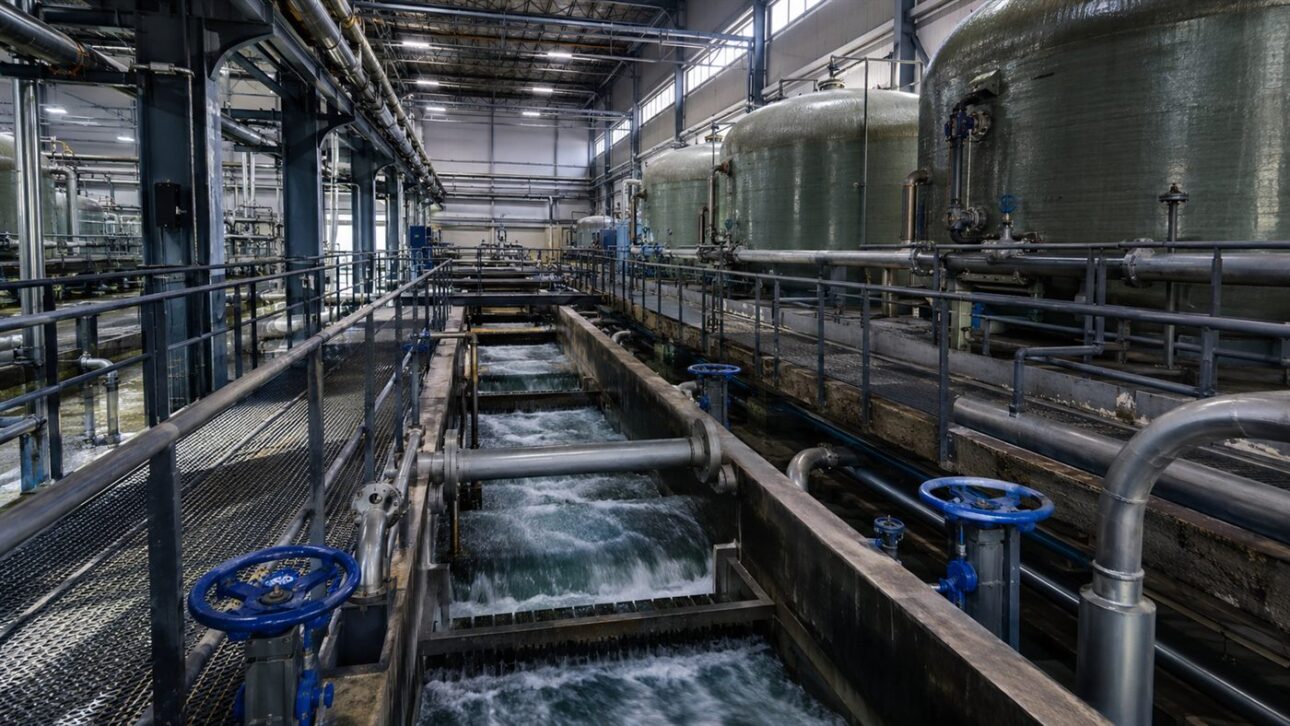
The financial hole is frightening. According to Water Magazine, Thames Water has accumulated a debt of around 20 billion pounds and has been struggling against financial collapse since 2023, with increasingly tight cash flow to pay day-to-day bills.
This debt is the legacy of years of risky management. The company borrowed aggressively while simultaneously needing to heavily invest in an old network of pipes and stations. Getting into debt to pay dividends and delaying investments is the classic recipe for a disaster foretold, and it was exactly this path that led the company here.
KKR gave up and creditors tried to save
The first rescue attempt came from private capital and failed. According to Water Magazine, the American private equity giant KKR negotiated a bailout that would inject billions of pounds into the company but ended up backing out of the deal due to uncertainty and the risk of heavy fines.
With KKR’s withdrawal, the ball passed to the creditors. According to Water Magazine, large funds that already owned the company’s debt, such as Elliott and Silver Point, put together their own recapitalization plan, mixing new money and forgiveness of part of what the company owed. When those trying to save the company are precisely the debt holders, the rescue also becomes a negotiation for the creditors’ own survival.
The government rejected the 10 billion pound bailout
When there seemed to be a way out, the government put its foot down. According to the New Civil Engineer, in June 2026 the British government rejected the 10 billion pound bailout package proposed by the creditors, assessing that the plan did not do enough to protect consumers or the environment.
The refusal was a harsh message. According to the New Civil Engineer, the Environment Minister, Emma Reynolds, wrote to the regulator Ofwat expressing concern about the creditors’ proposal, making it clear that the government would not accept any deal just to cover the hole. Rejecting a billion-pound bailout when the company is out of cash is a risky bet, but it shows that the government does not want to reward those who created the mess.
What is the nationalization that haunts Thames Water
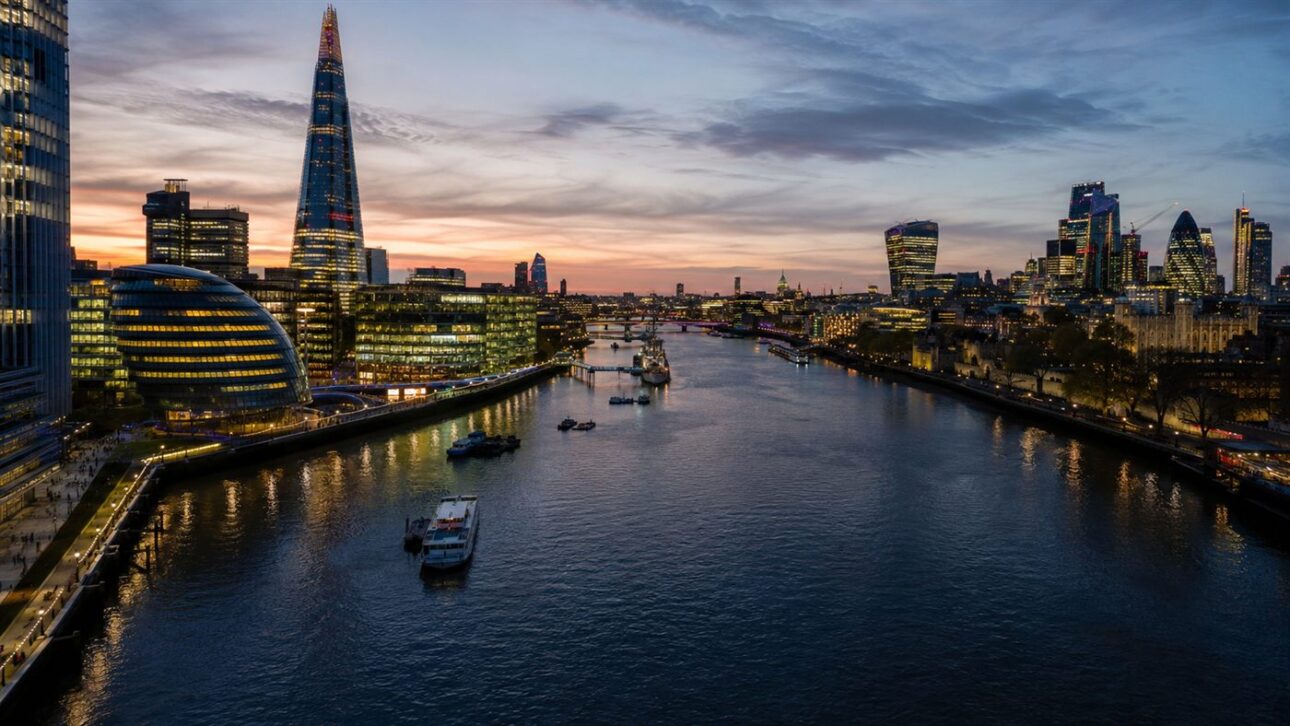
With private rescue stalled, the State became the most likely solution. According to the New Civil Engineer, the path would be to place Thames Water under a Special Administration Regime, a type of intervention where the government temporarily takes control of an essential service company that becomes insolvent or fails to meet its obligations.
And the government’s logic is to use this in favor of the consumer. According to the New Civil Engineer, Minister Emma Reynolds stated that by taking the company into this regime, it would be possible to cut debts and provide a fair deal both for those who pay the bills and for the environment. Nationalizing to first clear the debt and only then return the company cleaned up is a move that pleases the public but scares the market.
Sewage, fines, and the environmental scandal
The financial hole is not the company’s only problem. According to Water Magazine, Thames Water accumulated heavy fines for pollution, including sewage dumping in rivers, in an environmental scandal that outraged the British population and completely undermined trust in the company.
This is the side that most outrages the common citizen. While the network aged and sewage leaked into rivers, the company remained in debt and paying executives, a combination that became a symbol of what went wrong. Polluting rivers while sinking in debt is the kind of image that turns a financial problem into public fury, and that’s what made the case so explosive.
Why a water company sank in debt
The root of the problem is old and structural. Water in England was privatized in the late 1980s, and Thames Water went through several owners who, over time, burdened the company with debt while distributing profits, betting that an essential service would never stop making money.
The problem is that infrastructure demands its price. Old pipes, outdated stations, and the pressure to reduce pollution require gigantic investments, which the indebted company could not afford. Treating a vital service as a dividend machine works until the day the infrastructure bill comes due all at once, and that day has arrived for the company.
What changes for those who turn on the tap
In the midst of all this financial dispute are 16 million people who just want clean water coming out of the tap. The supply itself does not stop suddenly, even in a government intervention, but the future of the bills and the quality of service depends on how this saga ends.
If the State takes over and cuts the debt, the promise is of fairer bills and more investment in the network. If the creditors prevail, the risk is that the cost of the rescue ends up falling on the consumers. In the end, those who turn on the tap every day are the ones who have the most to gain or lose in this billion-dollar tug-of-war.
What this crisis represents
The case of Thames Water has become the portrait of a model that cracked. It shows what happens when an essential service is treated like any financial asset, overloaded with debt and pressured for short-term results, until the bill explodes. The outcome, whether nationalization or creditor bailout, will serve as a lesson for other countries that have also privatized water, electricity, and sanitation. Ultimately, the question is simple: who should control something as vital as the water that comes out of your tap.
And you, do you think water supply should always be state-controlled, or does the private sector do this service better when well regulated? Share your opinion here in the comments.


