





Nike has already recycled over 30 million pairs of sneakers and repurposed 67 thousand tons of materials into courts, tracks, playgrounds, and new products.
For decades, billions of pairs of sneakers ended up in landfills around the world after losing their sporting utility. Amidst this scenario, Nike decided to create an alternative to repurpose part of this material and transform it into new sports surfaces, equipment, and even new products of the brand itself.
The result was Nike Grind, one of the largest private recycling programs for sports articles on the planet. According to Nike, since its creation in 1992, the initiative has repurposed more than 148 million pounds of recycled materials, equivalent to approximately 67 thousand tons, sourced from used footwear, industrial scraps, and manufacturing waste. The initiative is promoted by the company itself on its official website.
More than 30 million pairs of sneakers have been recycled by Nike since the start of the Reuse-A-Shoe program
Even before Nike Grind gained global scale, the company launched the Reuse-A-Shoe program, created to collect used sneakers from any brand and prevent them from being discarded in landfills.
-
Canadian Woman Who Donated Savings to Haiti Earthquake Victims at Age 5 Wins $48 Million in Lottery 13 Years Later

-
118-Year-Old Brazilian Man, Living in a Care Home for 55 Years, May Become World’s Oldest Man Pending Guinness Validation
-
Ferrari, BMW, Tesla, and Chinese Automakers Shift from Copper to Aluminum Wiring to Reduce Weight and Costs in Electric Vehicles

-
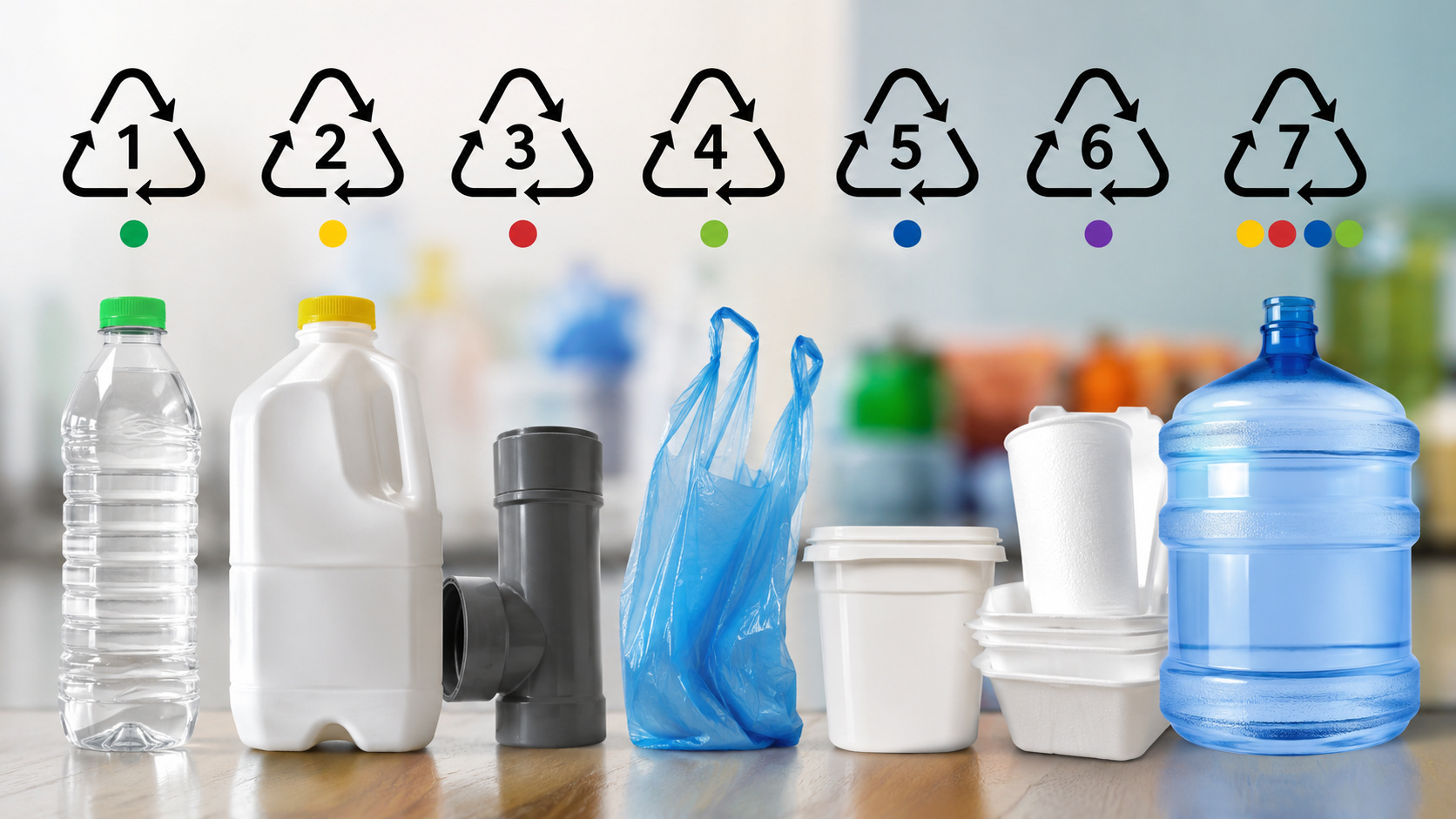
Understanding Plastic Codes: Numbers 1 to 7 on Packaging Aid Efficient Recycling and Boost Circular Economy


According to NineSigma, a partner in sustainable innovation projects, the program has already recycled more than 30 million pairs of sneakers since 1990, including footwear produced by Nike’s competitors. The recovered materials are separated into rubber, foam, and textile fibers, giving rise to new industrial applications.
Nike does not currently disclose a consolidated annual report on how many pairs are processed each year. However, estimates associated with the program indicate that approximately 1.5 million pairs of sneakers enter the recycling chain annually, although the volume varies according to the availability of collection points and the demand for recycled materials.
Soles, foam, and fabric from sneakers become courts, playgrounds, running tracks, and sports flooring
The industrial process begins with the disassembly of the footwear. According to Nike, each sneaker is separated into three main groups of materials: sole rubber, midsole foam, and fabrics present in the upper. These components are shredded, refined, and transformed into high-performance recycled granulate.
Recycled rubber appears in athletic tracks, synthetic fields, playgrounds, gym floors, and sports courts. Foam is used on surfaces that require impact absorption, while textile fibers can be integrated into cushioning systems and internal linings.
According to NineSigma, Nike Grind materials have already been incorporated into more than 1 billion square feet of sports surfaces worldwide, covering soccer fields, running tracks, playgrounds, and training areas.
Sports waste has also started to be used in weights, gym equipment, and new Nike shoes
The reuse is not limited to sports structures. According to Nike, Nike Grind is also present in dumbbells, Olympic weights, functional training equipment, and components of new company products. In some recent collections, waste from old shoes has been incorporated into midsoles, outsoles, and structural parts of modern footwear.
The program also supports initiatives related to circular design, aiming to increase the amount of reused materials incorporated into future generations of products. The company states that the goal is to reduce dependence on virgin raw materials and decrease the amount of waste sent for final disposal.
Program helps reduce waste, but still faces global scale challenges
Despite the impressive numbers, shoe recycling remains a complex industrial challenge. A single shoe can contain dozens of different materials, including foams, rubbers, glues, synthetic fabrics, leather, plastics, and chemical compounds developed for sports performance.
An academic study on the Nike Grind program points out that transportation, collection, and separation of materials still represent significant bottlenecks to expanding circularity on a large scale. The research highlights that only part of the waste generated by the footwear industry can effectively return to the production chain.
Even so, the case of Nike shows that products designed for high performance can gain new functions after disposal, extending their useful life in different segments of the economy.
Millions of shoes have stopped becoming waste to transform into sports infrastructure around the planet
The image of an old sneaker usually suggests the end of its usefulness. However, Nike Grind tries to show that this disposal can be just the beginning of another cycle. Soles that once touched running tracks now become part of children’s playgrounds. Foams used in marathons help cushion gyms. Materials discarded by professional athletes return to cities as sports infrastructure.
In a world that has produced billions of pairs of shoes over the past decades, the question becomes inevitable: how many of the products we treat as waste today can still become part of everyday life before disappearing into a landfill?


