






 Portuguese
  Spanish
  5 min of reading
  0 comments


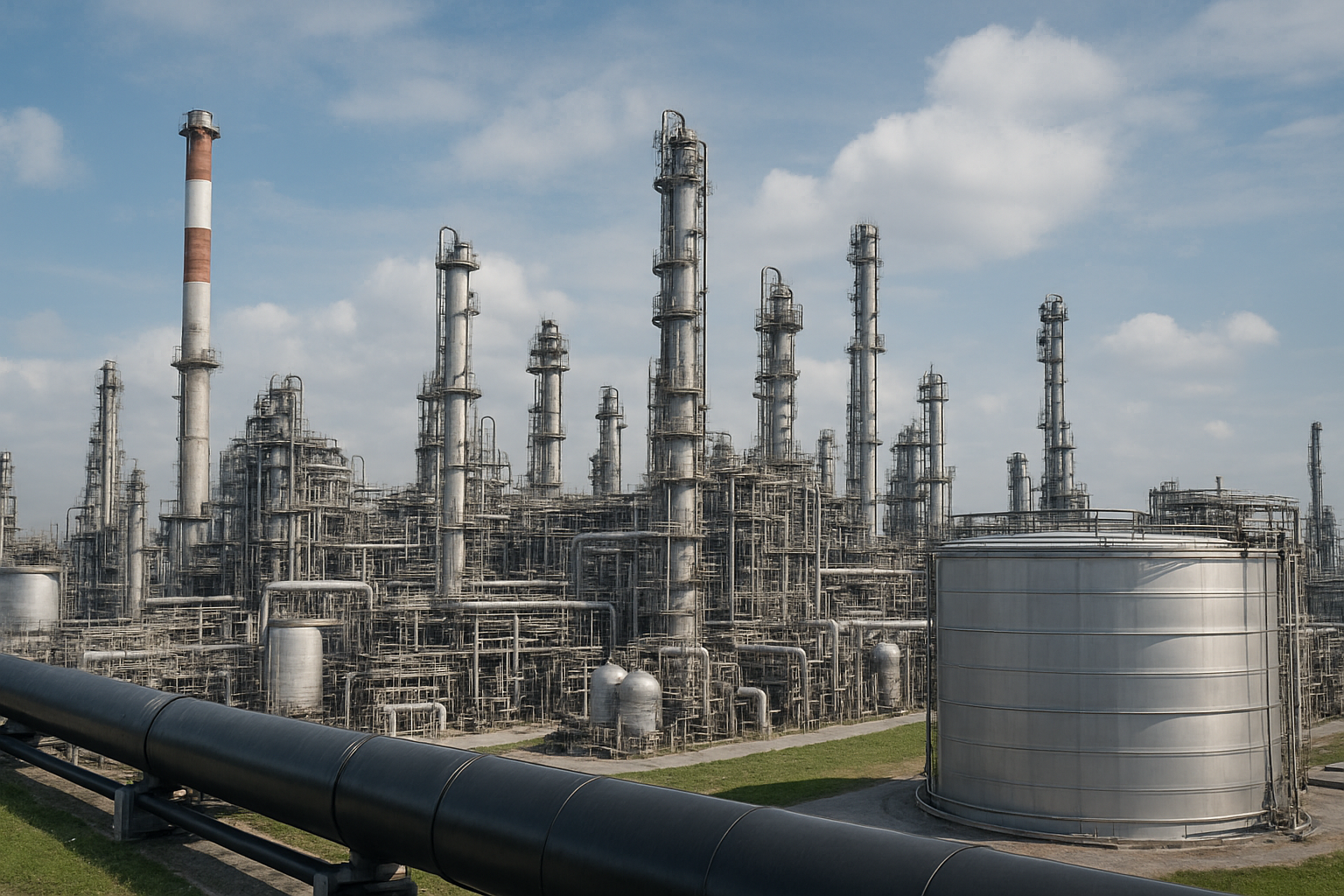
Discover The Main Benefits Of Oil And Gas And How These Sources Have Driven Economic, Technological, And Social Progress Since The 19th Century Until Today.
The oil and natural gas stand among the main sources of energy today. Thus, they influence almost every aspect of daily life, from transportation to the production of consumer goods.
Although they are subjects of environmental debates, the importance and numerous benefits of oil and gas for the economic, social, and technological development of humanity cannot be denied.
According to the International Energy Agency (IEA, 2023), oil accounts for about 31% of global energy consumption, while natural gas represents approximately 23%.
-
Oil production grows in Rio, but reserve replacement raises a warning sign

-
Petrobras is expected to complete the drilling of the Morpho well in the Foz do Amazonas in August 2026, the first well in the Equatorial Margin, an oil frontier that the ANP estimates at more than 30 billion barrels and could redraw the map of Brazil.

-
Oil returns to the center of concerns with tension between the US and Iran

-
IEA reduces forecast for global oil demand in 2026 after impacts of the Middle East crisis
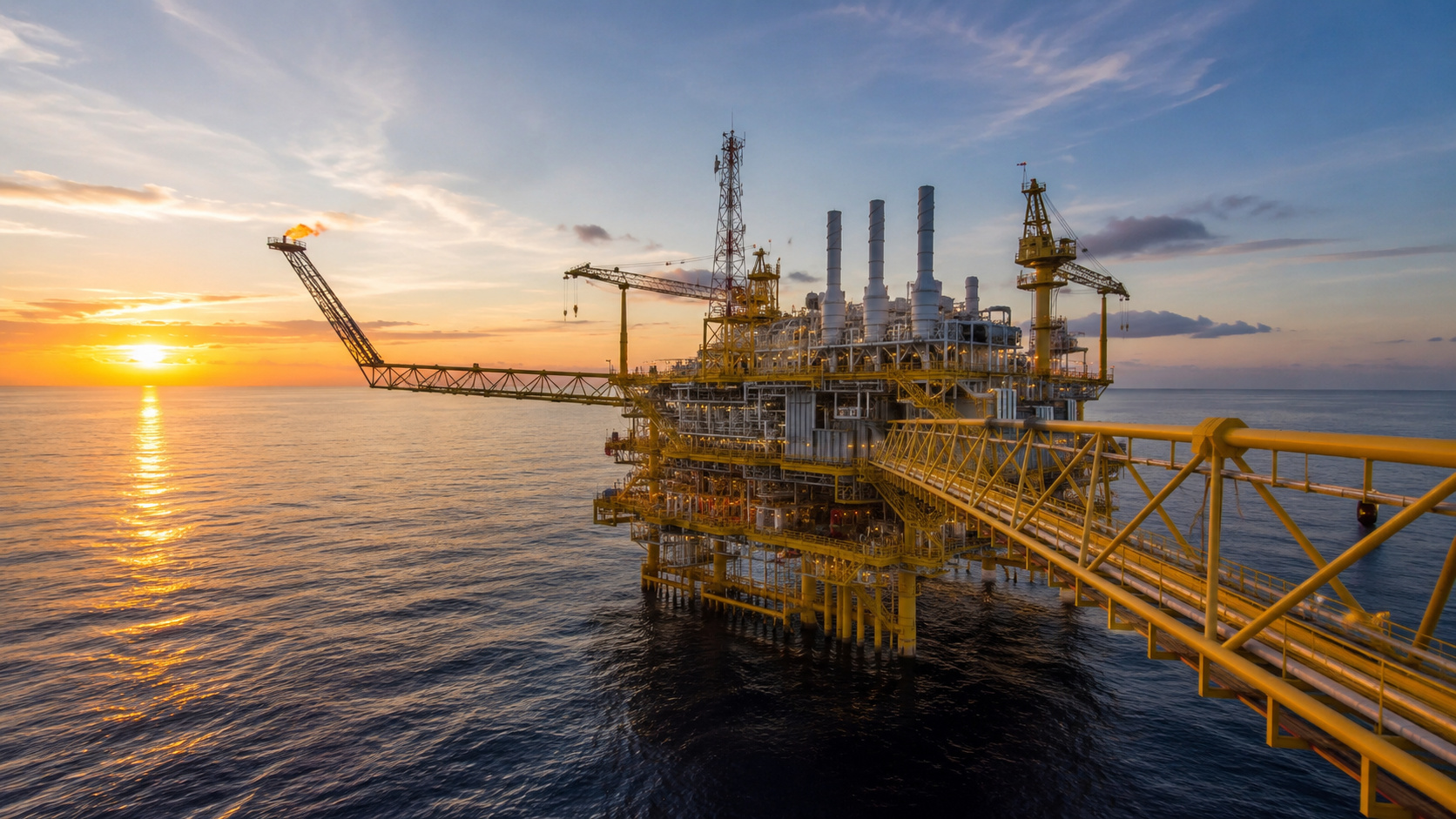


Therefore, this article is an essential guide to understanding the fundamental role of these energy sources throughout history and in the present.
The Beginning Of The Era Of Oil And Natural Gas
The exploration of oil has ancient roots. According to archaeological records from the British Museum, civilizations in Mesopotamia already used bitumen — a natural form of oil — to waterproof boats and build homes.
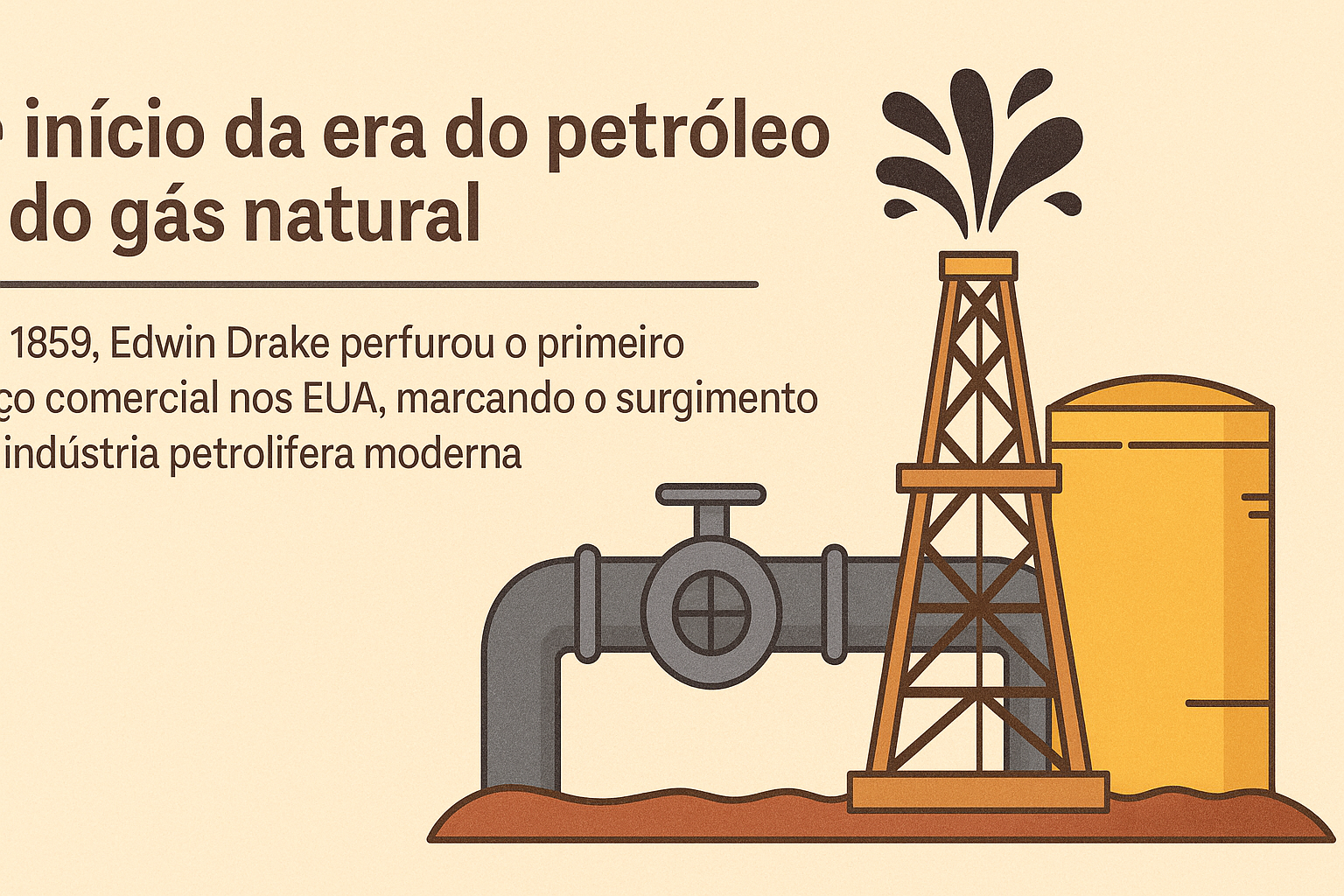
However, the most significant historical milestone occurred in 1859, when Edwin Drake drilled the first commercial well in the United States, in Titusville, Pennsylvania.
According to the U.S. Department of Energy (DOE), this event marked the beginning of the modern oil industry.
From that moment on, large-scale production triggered profound social and economic transformations.
The 20th century witnessed the rapid growth of the oil industry, driven by discoveries of large reserves around the world, including the Middle East, Russia, and Latin America.
At the same time, natural gas gained prominence, especially from the 1950s.
The International Gas Union (IGU) highlights that the construction of pipelines and liquefaction terminals allowed large-scale transportation, expanding the use of gas for heating, electricity generation, and the chemical industry.
Thus, while oil fueled transportation and heavy industry, natural gas offered a cleaner and more efficient alternative for electricity and heating.
Essential Energy For Development
Among the main benefits of oil and gas is the ability to provide large-scale energy.
According to data from the Food and Agriculture Organization of the United Nations (FAO, 2022), oil is the raw material for liquid fuels such as gasoline, diesel, and aviation kerosene, essential for transportation and logistics.
Natural gas, in turn, heats homes, produces electricity, and serves as a feedstock for agricultural fertilizers, which is vital for food production.
This versatility demonstrates the direct impact of these sources on various sectors, from transportation to agriculture.
Moreover, access to these energy sources ensures the constant functioning of modern society, enabling urban mobility and residential comfort.
Therefore, the global energy matrix still heavily relies on these fossil fuels, despite the growth of renewable energies.
According to the International Energy Agency (IEA, 2024), oil and gas still account for more than 50% of global energy consumption.
Economic And Social Impacts Of The Industry
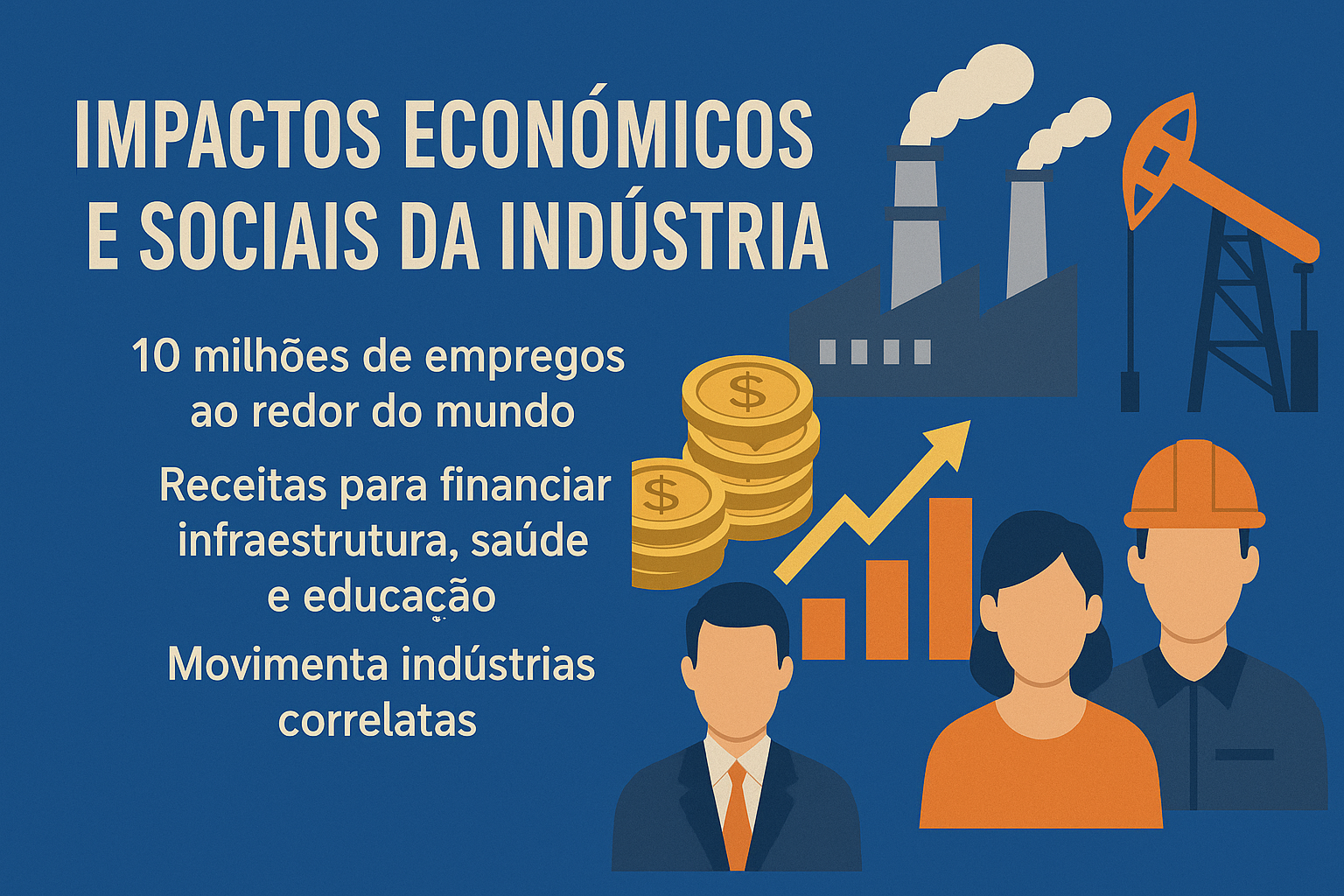
The oil and gas sector also has a significant economic impact. The International Labour Organization (ILO, 2023) estimates that the sector generates approximately 10 million direct jobs around the world.
In addition to employment, the export of these resources generates essential revenues for many countries.
The World Bank (2023) points out that nations such as Norway and Saudi Arabia use these resources to fund infrastructure, health, and education, promoting social development.
These funds are applied to sovereign wealth funds that ensure economic stability even during periods of fluctuations in oil prices.
Furthermore, the sector drives related industries such as transportation, construction, and commerce, expanding its economic impact.
The Versatility Of Oil And Gas Beyond Energy
According to the National Agency of Petroleum, Natural Gas, and Biofuels (ANP, 2024), oil is the raw material base for the petrochemical industry, which produces plastics, rubbers, solvents, fertilizers, paints, cosmetics, synthetic clothing, and medicines.
This diversity makes oil and gas essential resources not only for energy but also for the manufacture of numerous everyday products.
This versatility explains the strategic importance of these sources. Without them, technological advances and modern comforts would be much more limited.
Energy Security In A Transforming World
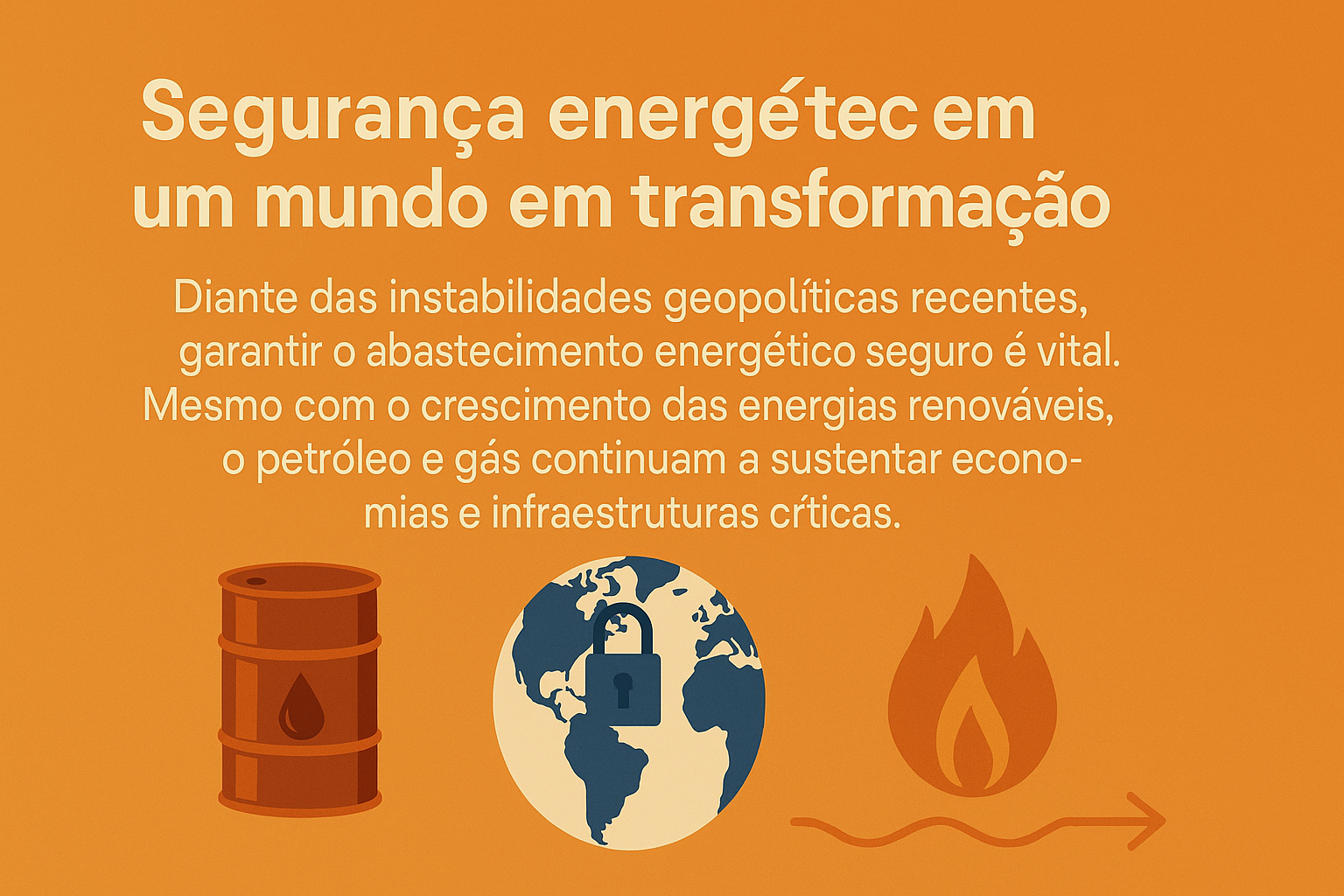
In light of recent geopolitical instabilities, ensuring secure energy supply is vital.
According to the report from the International Energy Agency (IEA, 2024), oil and gas are still the main sources of the global energy matrix, supporting economies and critical infrastructures.
Even with the growth of renewable energies, the balance between these sources allows for a gradual energy transition, avoiding economic and social crises.
Therefore, the role of these resources is strategic for global stability, especially for countries dependent on fossil energy.
Technological Advances And Sustainable Innovation
The World Energy Council (WEC, 2023) highlights that the oil and gas industry is one of the top investors in technology.
From the use of artificial intelligence for exploration to automation on offshore platforms, this sector drives technological innovation that impacts various segments.
Additionally, there are advances in techniques to minimize environmental impacts, such as carbon capture and storage, which contribute to more sustainable production.
These efforts indicate the industry’s growing commitment to environmental responsibility, seeking to balance energy production and preservation.
Benefits Of Oil And Gas And Improvement Of Quality Of Life
The efficient use of resources generated by oil and gas has a significant social impact.
According to the World Bank (2023), many producing countries apply their revenues to social programs and essential infrastructures, expanding access to energy and improving the living standards of the population.
Moreover, the constant supply of energy enables the functioning of hospitals, schools, and transportation systems, vital elements for quality of life.
Therefore, these energy resources directly contribute to human and social development on a global scale.
Although the world is moving towards renewable sources, the benefits of oil and gas remain essential for development.
Since the 19th century, these resources have transformed the global economy, technology, and society.
Understanding their historical and current importance helps to comprehend the challenges and opportunities in the energy sector.
With innovation, responsibility, and balance, oil and gas will continue to be an important part of human history for many years.






-

2 people reacted to this.