






 Portuguese
  Spanish
  3 min of reading
  0 comments


Understand How Brazilian Legislation on Electric Bicycles Works and Know When Licensing Is Mandatory for Safe Circulation
The growth of the use of electric bicycles in Brazilian cities, especially since 2020, has brought practicality, sustainability, and more economical alternatives for urban mobility. However, the popularization of these vehicles has raised questions about the need for a National Driver’s License (CNH), since the Brazilian Traffic Code (CTB) has established specific rules since 1997 for different types of vehicles.
Technical Criteria Define the Necessity for CNH
According to the CTB, driving a motor vehicle with an expired CNH constitutes a very serious infraction, subject to a fine of R$ 293.47 and a loss of seven points on the license. Although these rules are directed at cars and motorcycles, electric two-wheeled models have been scrutinized more closely in recent years.
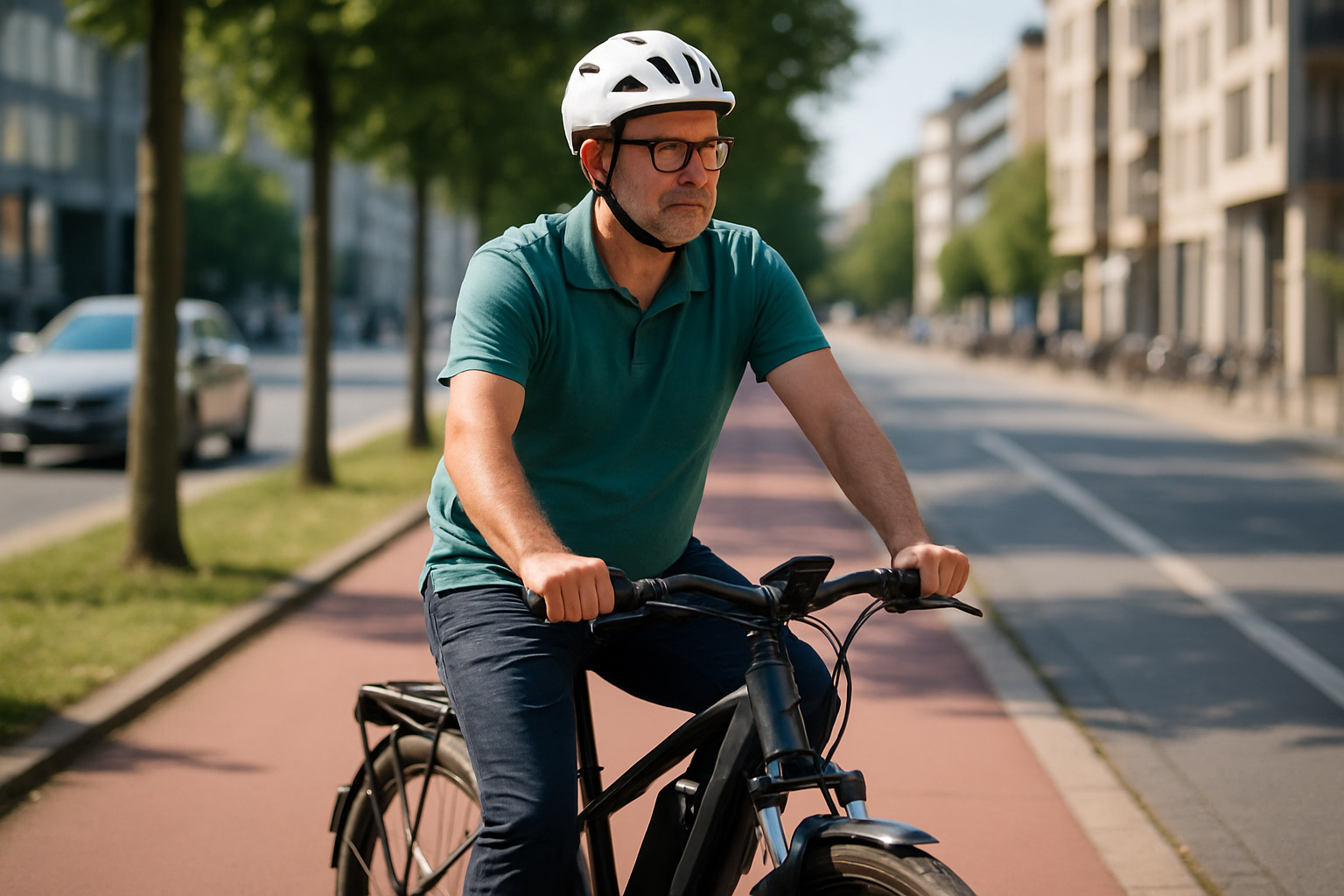
According to norms published by the National Traffic Council (Contran) in 2021, electric bicycles with up to 250W and a maximum speed of 32 km/h can be used without a license. However, the use of a helmet remains mandatory, and cyclists should preferably travel in bicycle paths and bike lanes.
-
Unprecedented achievement in India: a colossal 650-ton, nearly 3,000 hp excavator is transformed into 100% electric, marking a new phase in heavy mining.

-
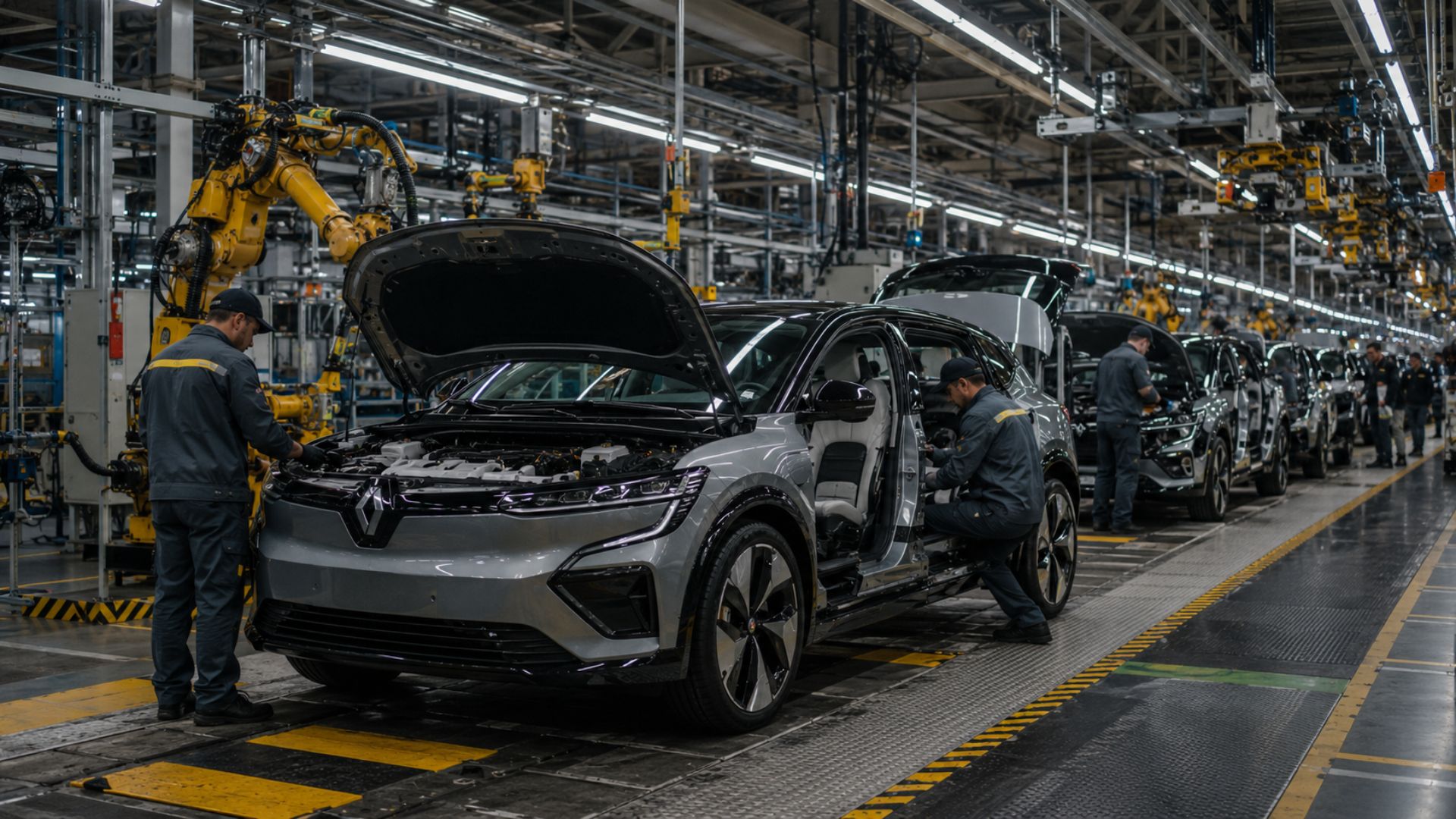
Frightened by the speed of Chinese manufacturers, Renault decided to mimic the pace, made the new electric Twingo in just 21 months, wants to repeat the feat with 36 models by 2030, and along the way, will cut up to 2,400 engineering positions.

-
Chinese battery from Dongfeng promises to exceed 1,000 km without relying on liquid electrolyte, and the detail behind the technology could change the electric car competition.

-
The end of the automotive combustion era has already begun, but many in Brazil have not yet realized the magnitude of the shift towards Chinese electric cars.



This classification meets urban demands for accessible and sustainable transportation without the need for additional documentation. However, when the limits of power and speed are exceeded, the bicycle is automatically classified as a moped.
When the Bicycle Becomes a Moped
Since January 2020, electric bicycles that perform above legal limits have required an Authorization to Drive Mopeds (ACC) or a CNH in category “A”. This change has become essential to avoid heavy penalties.
The sanctions include:
- Tripled severe fine, which can reach R$ 880.41;
- Retention of the vehicle during inspections;
- Criminal liability in case of accidents.
Therefore, users of more powerful models must keep their licenses updated to ensure legal circulation and avoid legal issues.
CNH Renewal Deadlines in Brazil
In addition to the necessity of carrying a license in certain cases, the CNH renewal deadlines also deserve attention. In April 2021, the Contran determined staggered deadlines based on the driver’s age:
- Up to 49 years: renewal every 10 years;
- Between 50 and 69 years: renewal every 5 years;
- From 70 years: renewal every 3 years.
The Provisional CNH remains valid for 12 months, without changes to this period.
These changes were applied precisely to provide more flexibility to drivers, but maintain the necessary rigor for older age groups, prioritizing safety in traffic.
Fines, Deadlines, and Helmet: Understand When CNH Is Mandatory for Those Riding Electric Bicycles
Between 2022 and 2023, the National Department of Traffic (Denatran) reinforced, through official notes and campaigns in capitals like São Paulo, Rio de Janeiro, and Belo Horizonte, that the correct use of electric bicycles must align with traffic rules. The agency highlighted that, even without the need for a license in some cases, compliance with circulation rules and road safety is indispensable.
These campaigns also emphasized that the popularization of electric bicycles requires shared responsibility between cyclists and authorities, with more frequent enforcement and education focused on safety.
Cyclist Responsibility
The popularity of electric bicycles is undeniable, but legal responsibility cannot be ignored. Therefore, those who adopt this means of transportation must observe:
- Correct classification of the vehicle according to power and speed;
- Mandatory use of a helmet;
- Possession of ACC or CNH category “A” in case of mopeds;
- Comply with the CNH renewal deadlines established by Contran.
Electric Mobility and the Urban Future
The advancement of electric mobility has already established itself as an irreversible trend in Brazil. However, the success of this process depends on document regularization, compliance with rules, and education in traffic. After all, the expansion of electric vehicles can only be considered a collective gain when balanced with safety and responsibility.
The discussion about the regulation of electric bicycles reflects a challenge that Brazil already faces in other areas of urban mobility: how to integrate technological innovation without compromising public safety?







Be the first to react!