






 Portuguese
  Spanish
  3 min of reading
  0 comments


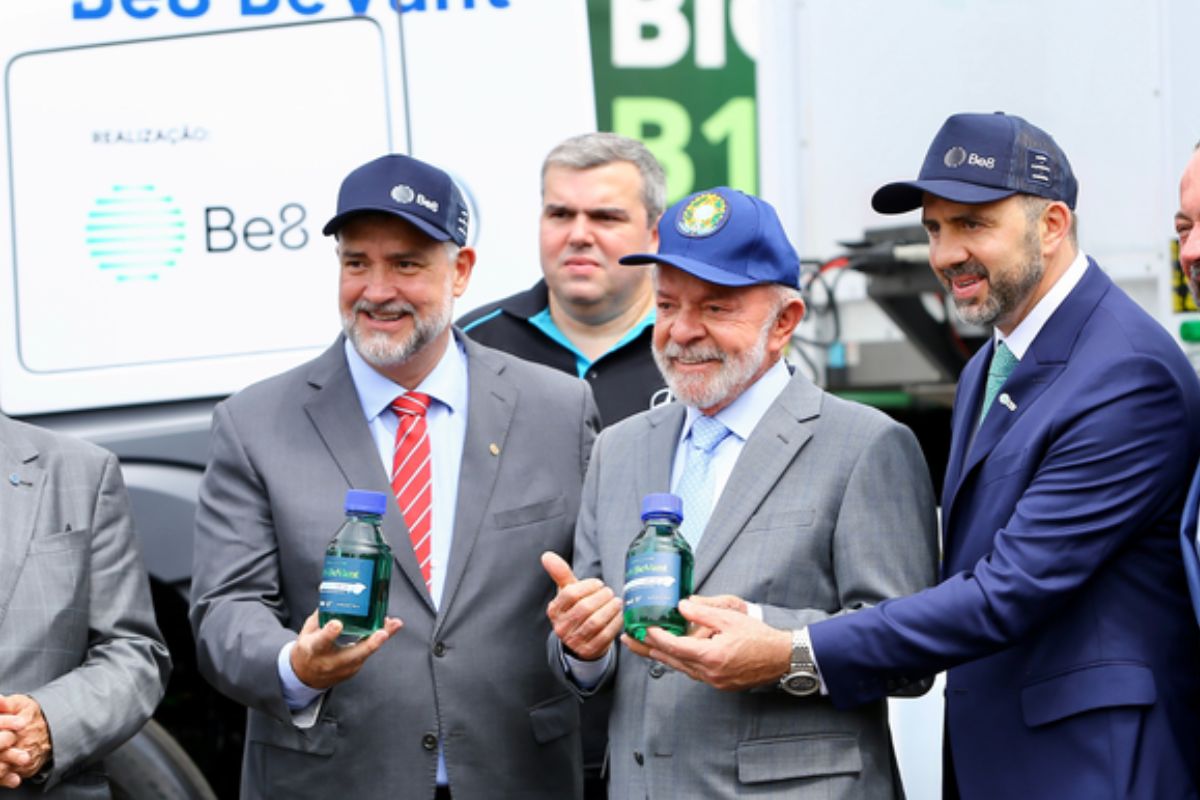
During Event with Lula and Ministers, Alexandre Silveira Highlighted the Role of Renewable Biofuel in Energy Transition and Brazil’s Leadership Towards Decarbonization of Road Transport
The renewable biofuel returned to the center of national attention with the participation of Minister of Mines and Energy, Alexandre Silveira, at an event alongside President Luiz Inácio Lula da Silva, held on October 30, in front of the Palácio do Planalto, according to a report published.
The meeting presented results of the initiative Sustainable Route COP30 – From South to North with Renewable Energy, organized by Mercedes-Benz do Brasil and Be8 S/A, and reaffirmed the country’s commitment to decarbonizing road transport.
The action is part of Brazil’s preparation for the 30th Conference of the Parties of the UN on Climate Change (COP30), which will take place in November in Belém (PA).
-
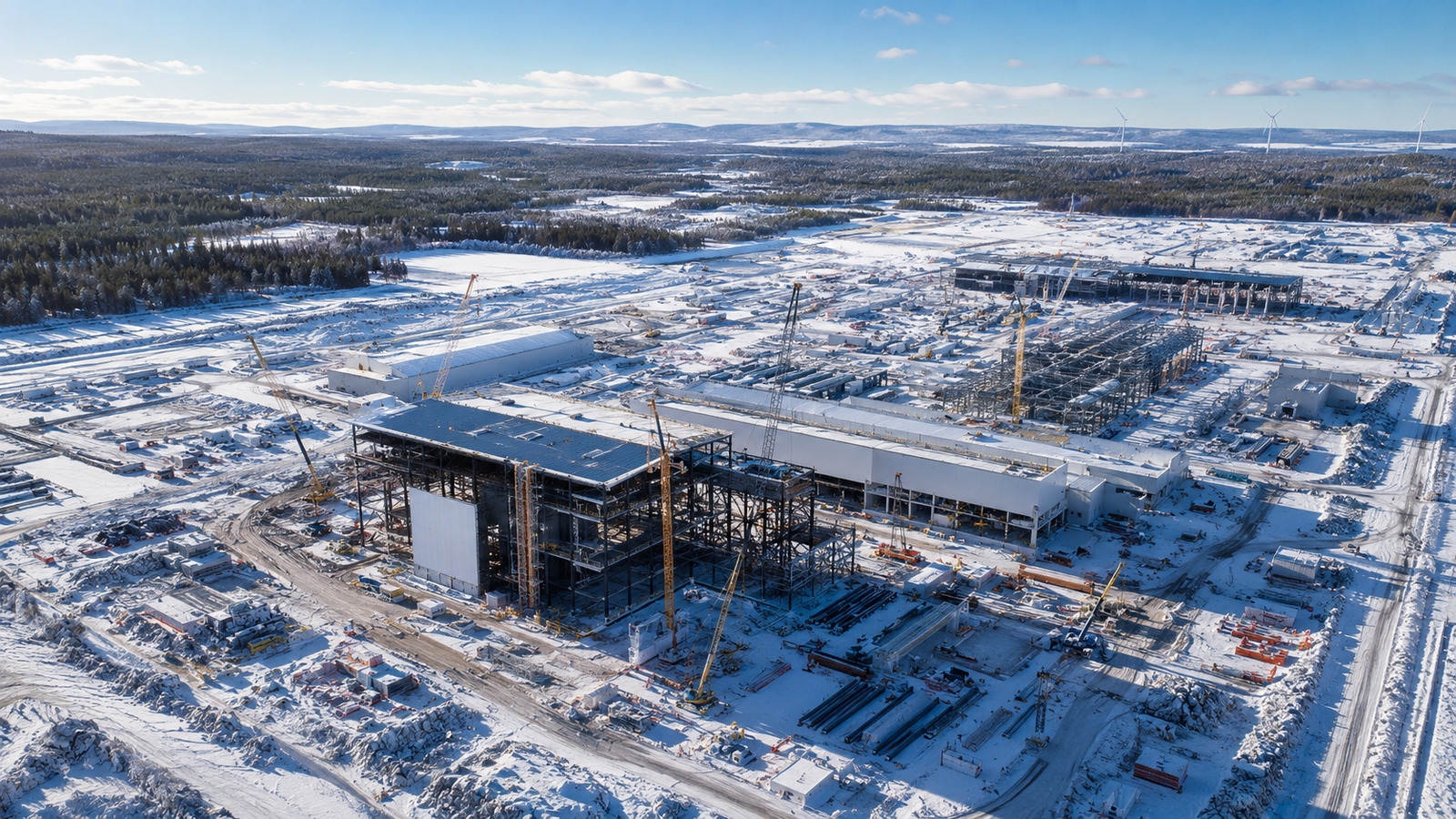
US$ 7 billion, green hydrogen, and steel with up to 95% less CO₂: the first green steel plant on the planet emerges in Sweden and targets Brazil as the next chapter

-
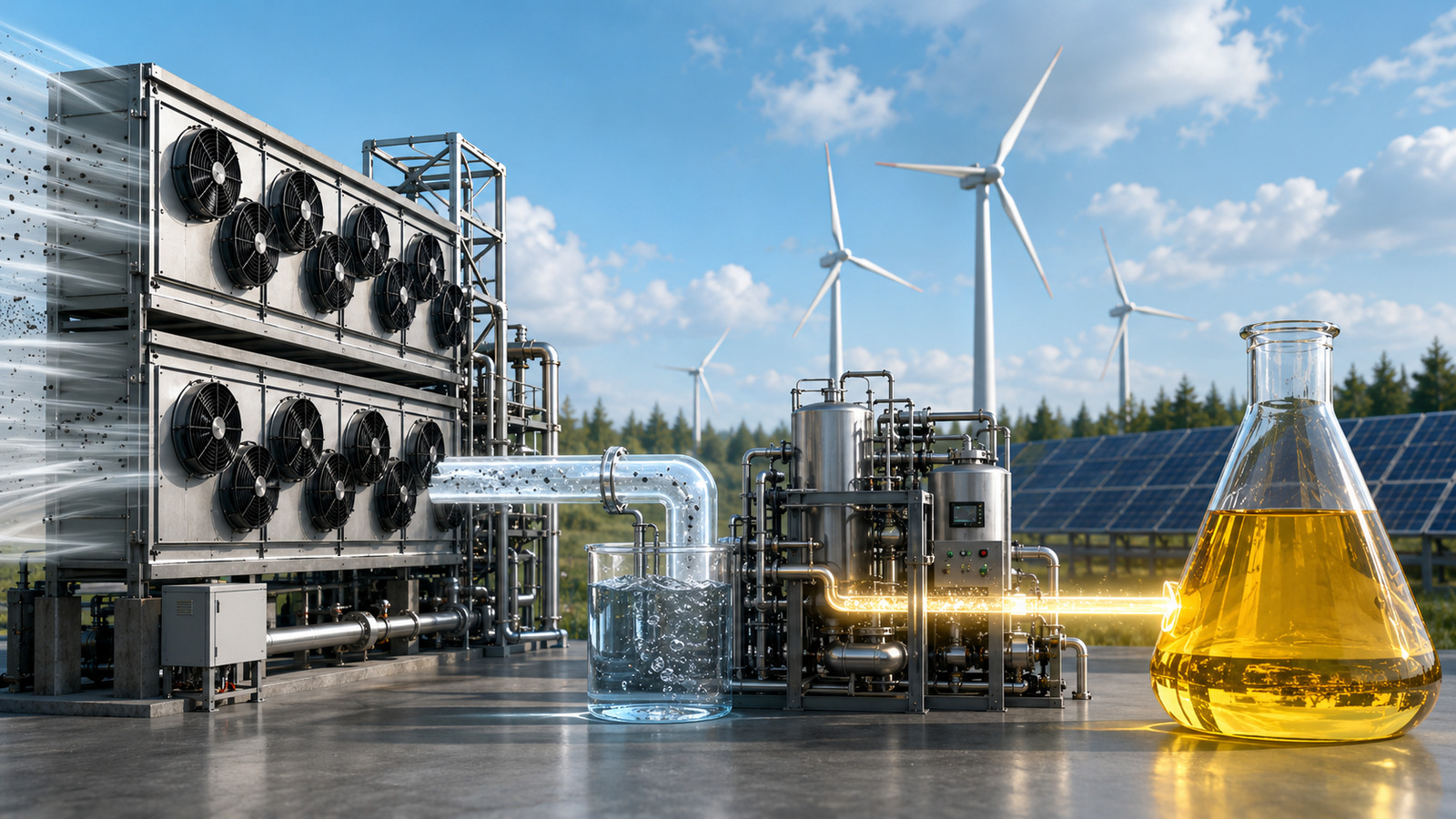
Swedes manage to create synthetic fuel with CO₂, water, and renewable energy, compatible with current engines, but face a huge problem: the energy expenditure is still double the return.
-
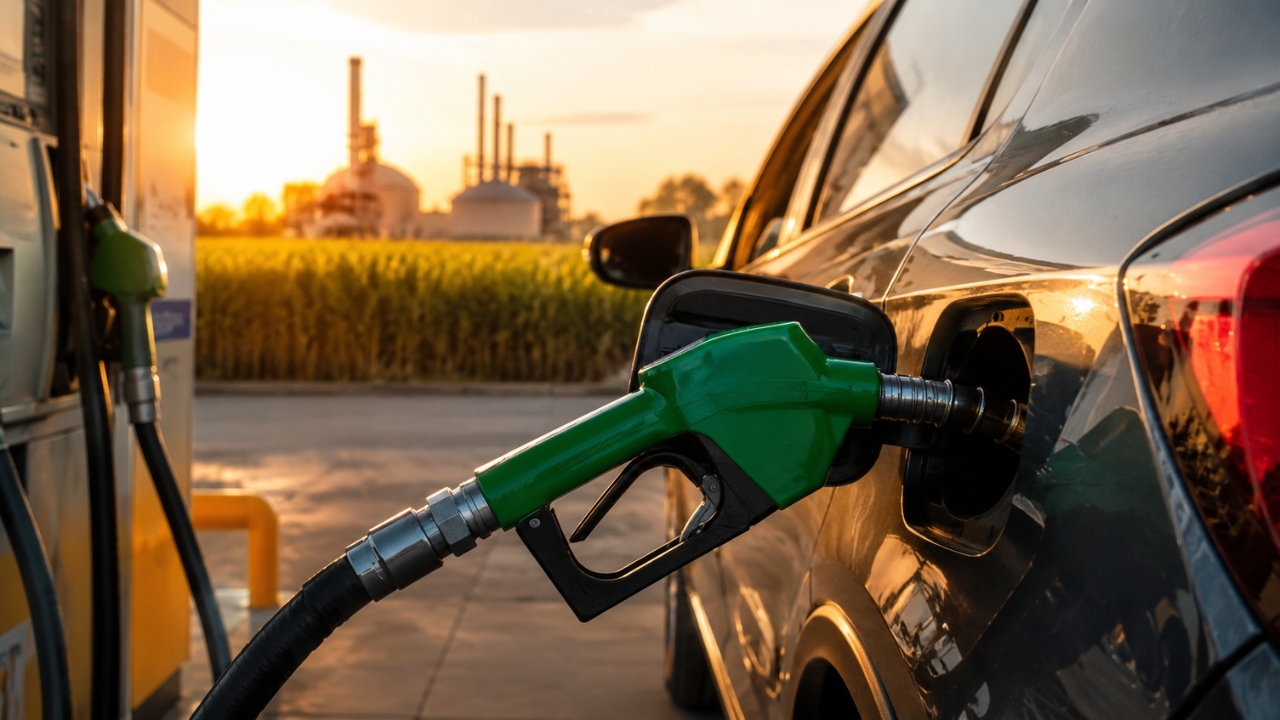
Brazil begins to transform wheat, residues, sweet potatoes, and soy molasses into ethanol, in a new phase of biofuels that seeks to utilize leftovers from the field and industry to fuel flex-fuel cars.

-
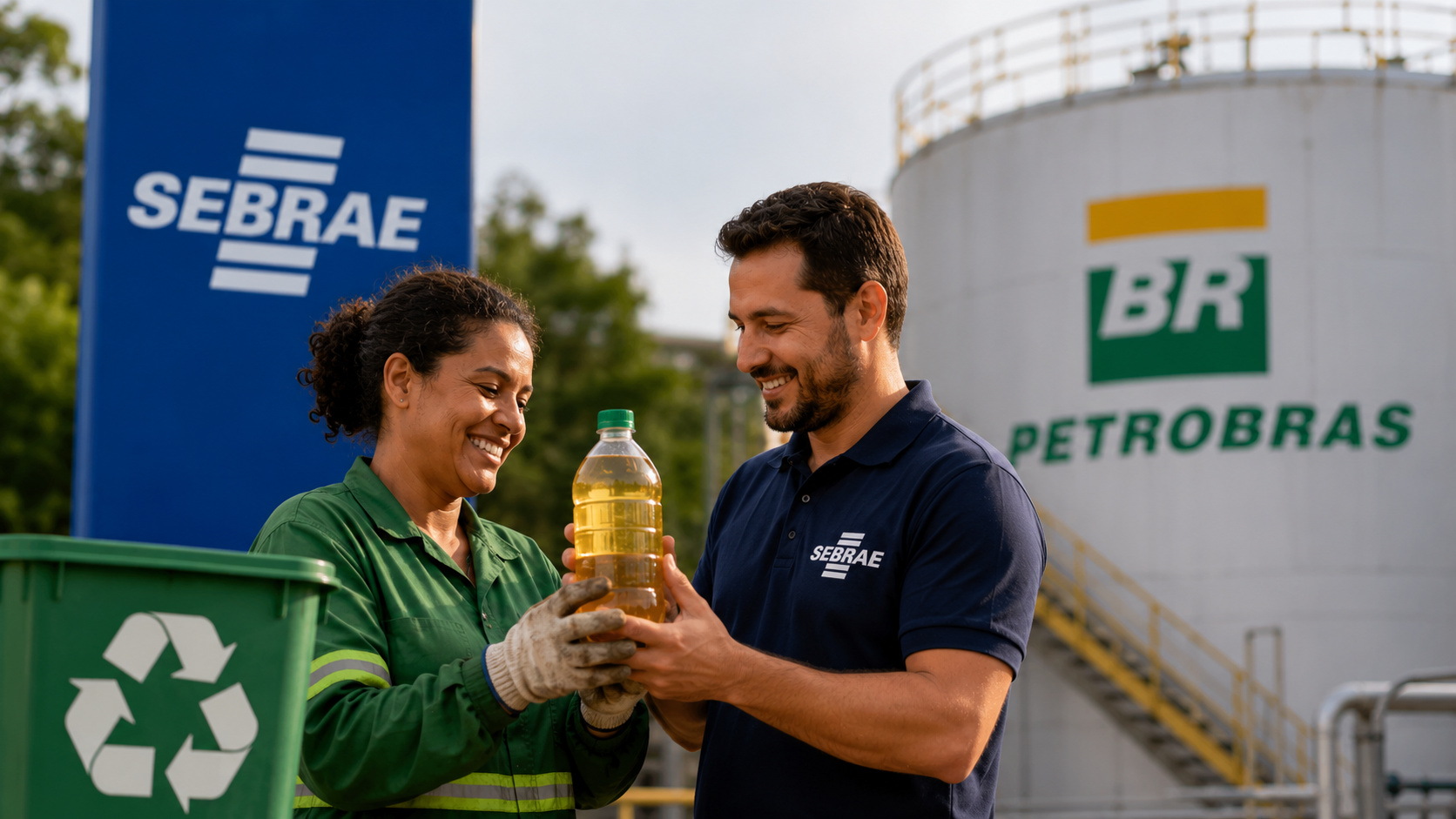
Sebrae and Petrobras join forces in Ceará to include waste pickers in the circular economy and strengthen the biofuel chain, creating new income opportunities and expanding the sustainable use of waste with a direct impact on regional development.

During the ceremony, trucks and buses powered by 100% clean fuel produced by national engineering and audited by the Mauá Institute of Technology were demonstrated.
Technological Innovation Drives the Use of Renewable Biofuel in Heavy Transport
The highlight of the event was the use of renewable biofuel Be8 BeVant®, developed by the Brazilian company Be8.
The product can replace regular diesel without the need for mechanical adaptation, reducing greenhouse gas (GHG) emissions by up to 99%, particulate matter by 85%, and black smoke by 90%.
With this, Brazil strengthens its position as a global reference in clean energy and innovation in heavy transport.
Minister Alexandre Silveira emphasized that the country combines national technology, job creation, and regional development in a sustainable model that aligns economy and environmental preservation.
The project also has technical support from Mercedes-Benz, which monitors emissions over the more than 4,000 kilometers traveled between Passo Fundo (RS) and Belém (PA), within the international methodology “from well to wheel.”
Energy Transition and Decarbonization Gain Momentum with Sustainable Investments
With R$ 80 million invested in research, development, and infrastructure, Be8 strengthens the energy transition agenda by forming strategic partnerships with companies such as Fraport, Gerdau, Ambipar, Centro Tecnológico Randon, and Grupo Abreu.
The use of renewable biofuel in the fleets of these companies demonstrates the economic and environmental potential of the initiative, which combines competitiveness and social responsibility.
During the Sustainable Route COP30, the technical monitoring compares, in real-time, vehicles powered by B15 diesel and by 100% pure biofuel, validating data and proving its efficiency.
In addition to the positive environmental impact, the project includes food donations to social institutions, highlighting the human and integrative nature of the action, which symbolizes a new model of sustainable growth in the country.
Brazil Consolidates Global Leadership in Clean Energy and Sustainable Transport
For Alexandre Silveira, the advancement of renewable biofuel represents the future of Brazilian mobility.
He emphasized that the event alongside President Lula and Ministers Geraldo Alckmin and Luiz Marinho reaffirms the government’s commitment to a just, inclusive, and green energy transition.
The initiative demonstrates how collaboration between the public and private sectors is essential to transform the country into an environmental powerhouse.
According to the minister, “what we saw today is the living example of a Brazil that produces, innovates, and grows sustainably.”
With national technology and strategic partnerships, the country positions itself at the forefront of decarbonizing heavy transport and building a low-carbon economy driven by renewable biofuel.






Be the first to react!