





 Portuguese
  English
  Spanish
  2 min of reading
  0 comments


Giant Credit Boosts Naval Sector With New Tugs from Wilson Sons and Modernization of the National Fleet
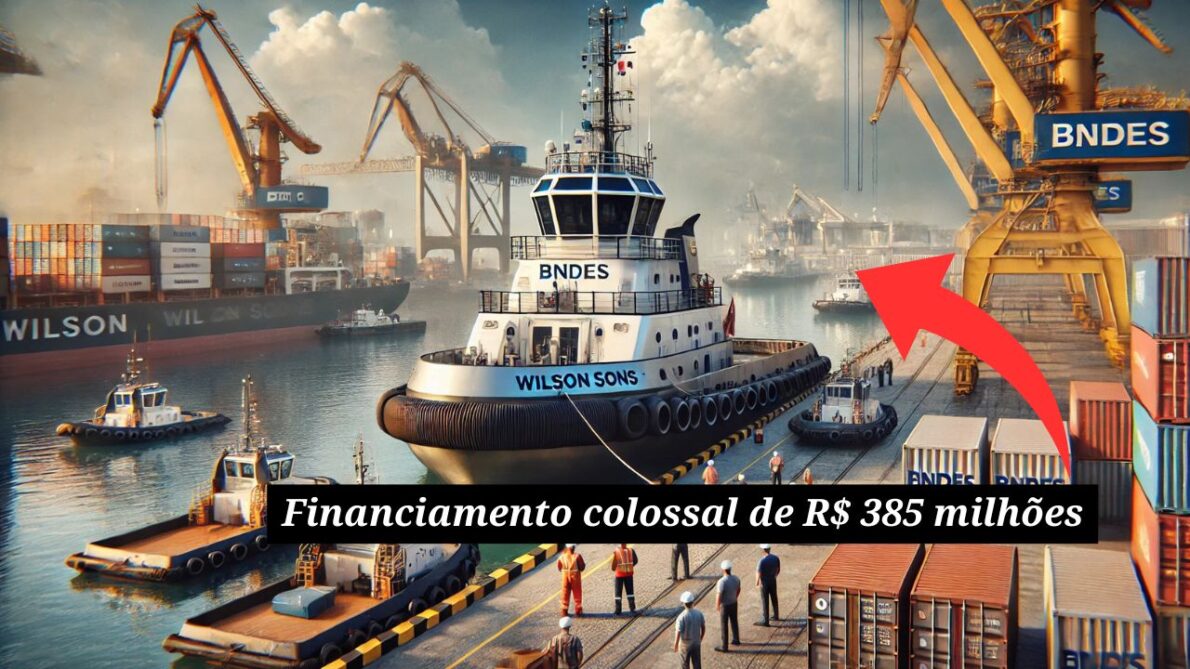
The BNDES took a bold and strategic step by approving colossal financing of R$ 385 million, aimed at the modernization and construction of the tugs from Wilson Sons. With such a significant volume of resources, what’s at stake is not only fleet renewal but the future of Brazilian maritime transport. Are we on the brink of a revolution in the country’s naval logistics?
The numbers are impressive: of the total, R$ 236 million will be allocated to maintenance and repair of 33 tugs from Wilson Sons, while R$ 149 million will finance the construction of three new vessels. The Merchant Marine Fund, operated by BNDES, is the primary source of these resources, which cover 90% of the necessary investments.
Modernization of Tugs from Wilson Sons
The maintenance will be carried out at Wilson Sons’ own shipyard in Guarujá (SP), with the option to use other national shipyards. The goal is clear: restore the operational capacity and safety of the vessels, in addition to modernizing essential systems to improve operational efficiency.
-
China is designing a container ship with a thorium nuclear reactor that will operate for 40 years without refueling, and the 25,000-container giant from Jiangnan Shipyard will cross oceans without emitting carbon in an industry that burns 300 million tons of fuel per year.

-
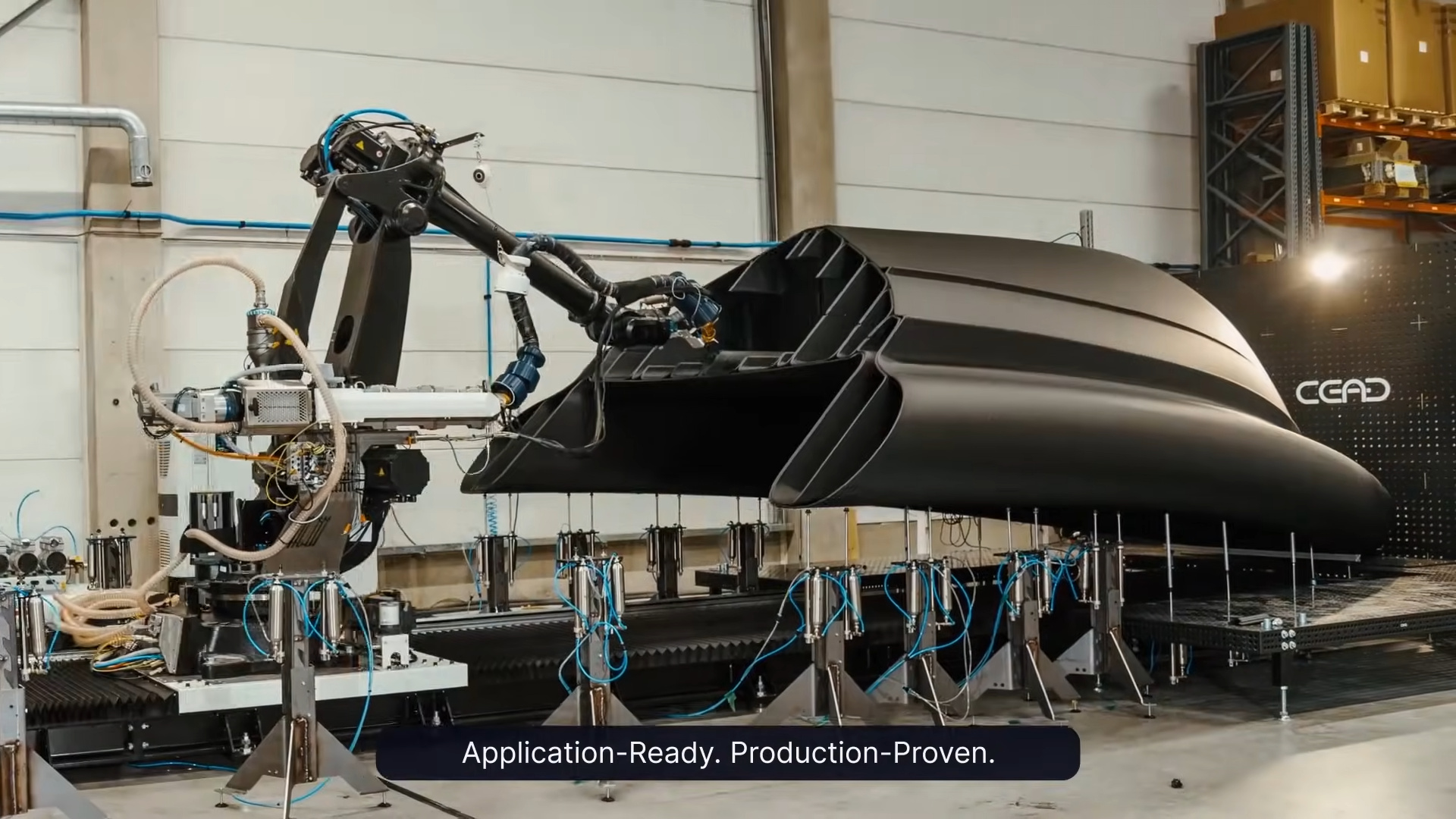
An entire boat came out of the 3D printer without a mold and without seams: CEAD’s giant robot creates hulls up to 12 meters in a single piece, replacing months of shipyard work with code and putting shipbuilding on the brink of a turning point that seems like science fiction.
-
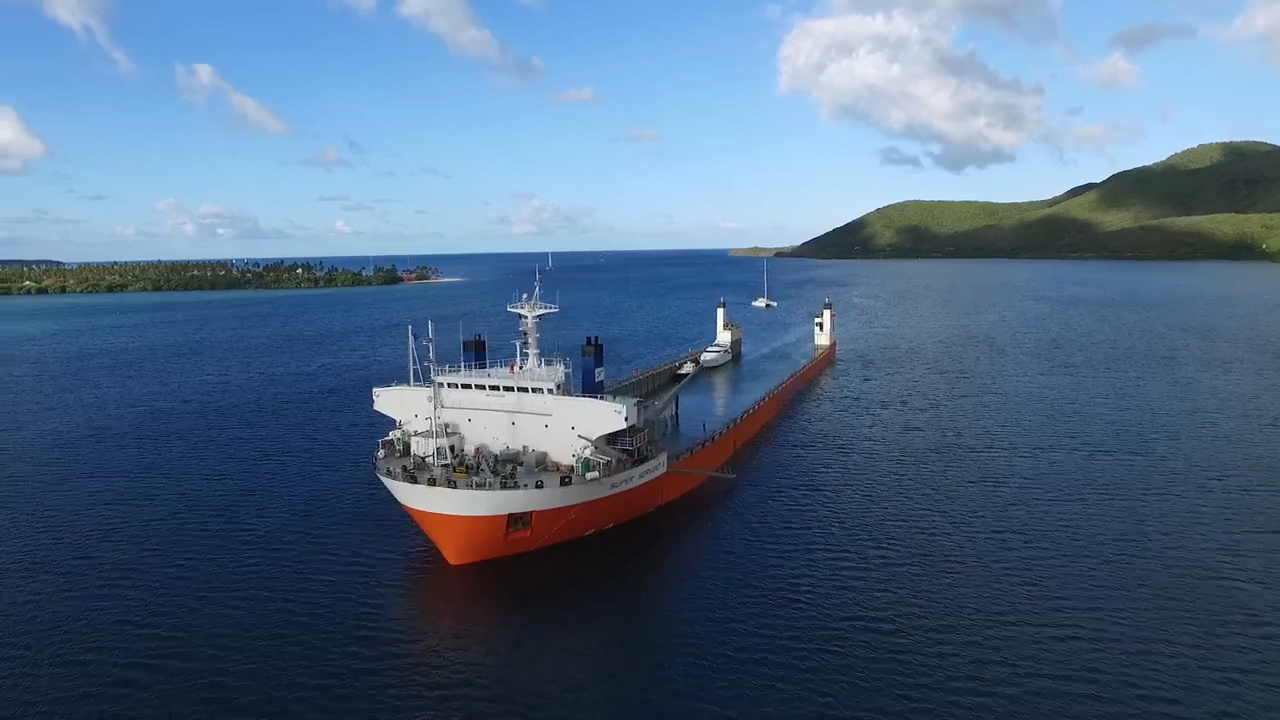
The “dock ship” that deliberately sinks to swallow superyachts like toys: Yacht Servant is 214 meters long, 46 meters wide, has a 6,380 m² deck, and uses float-on/float-off operation to transform maritime luxury into a semi-submersible parking lot.

-
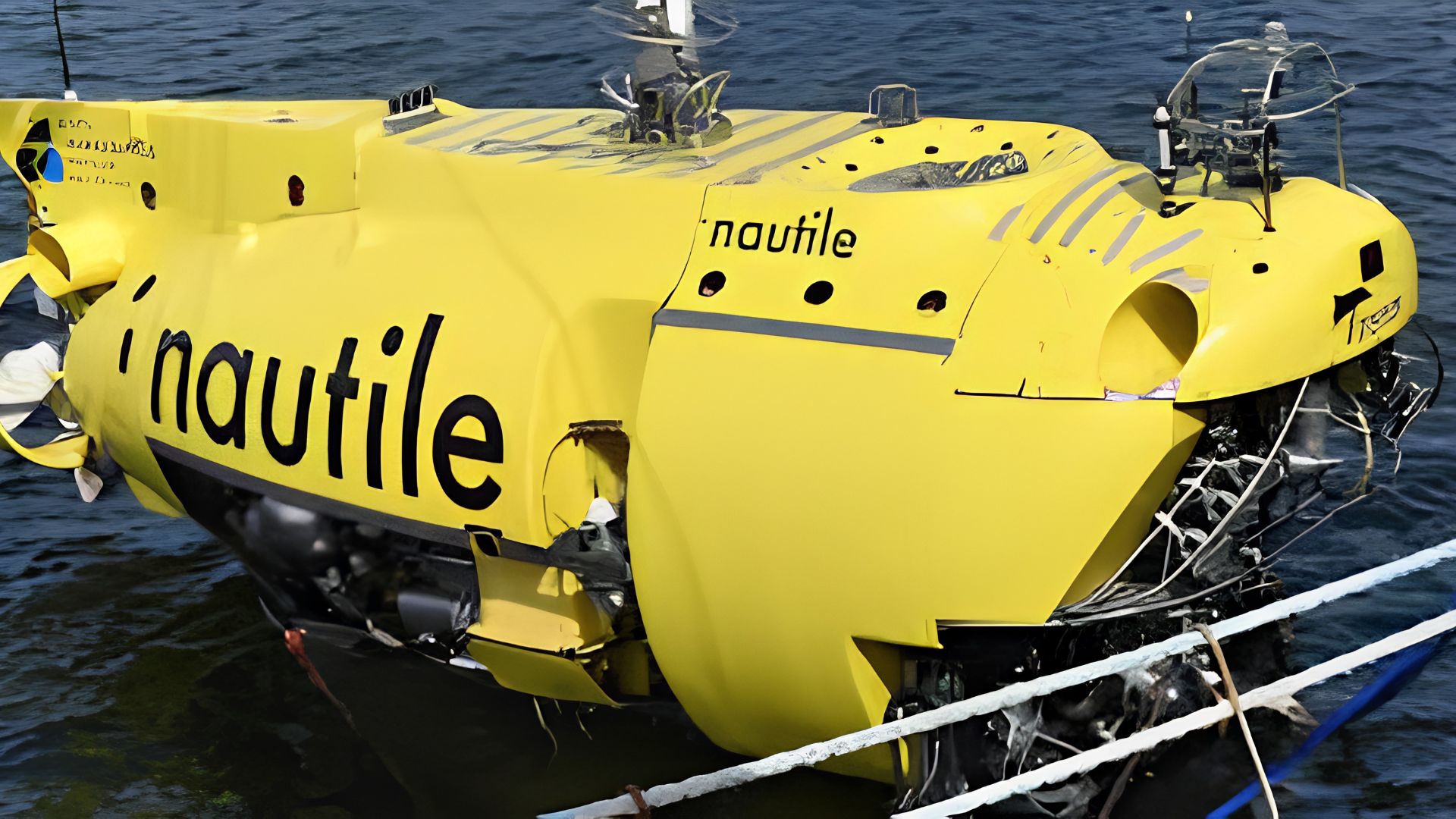
The French titanium submarine that descends where the light disappears: Nautile carries three people to a depth of 6,000 meters, reaches 97% of the ocean floor, and has already investigated the Titanic, underwater volcanoes, and regions that remain inaccessible to most vessels on the planet.

The new vessels, which are also part of this investment, are more than just simple tugs. Equipped with a firefighting system and designed to operate with giant container ships, such as those 366 meters long, they promise to be a vital force in Brazilian ports. And that’s not all: these new technologies help reduce both fuel consumption and carbon emissions, highlighting the concern for sustainability.
BNDES President Affirms Commitment
Aloizio Mercadante, president of BNDES, emphasized the importance of this investment. “Maritime transport accounts for 95% of the logistics of Brazilian foreign trade, and this sector needs innovations to overcome historical problems. We are resuming investments in the shipbuilding industry, and this credit is proof of that.”
Arnaldo Calbucci, operations director at Wilson Sons, stressed that the new vessels are part of the fleet renewal strategy, which also directly impacts job generation and economic development in port areas.
Dynamic Future of the Brazilian Naval Sector
With so much money and technology being invested, what can we expect for the future of the Brazilian naval sector? Will this injection of capital and innovation finally boost Brazil in the global maritime scenario?
Leave your opinion in the comments: how do you think these investments will impact trade and logistics in Brazil?





Be the first to react!