Portuguese
  Spanish


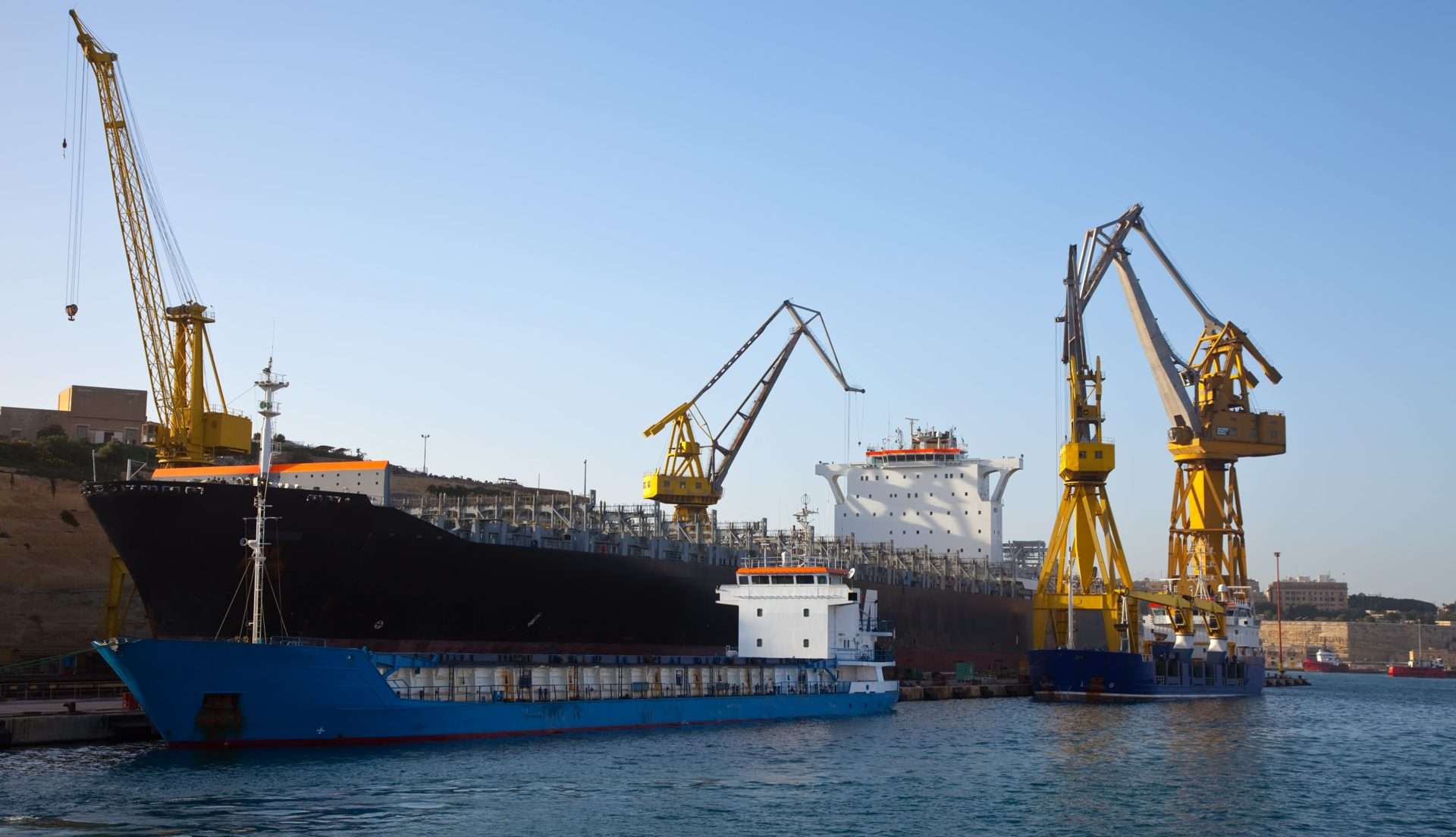

One of the main discussions at the FMM is the adoption of ESG practices in the oil and gas sector. BNDES aims to allocate financing resources for sustainable ventures in the shipbuilding industry.
For this Wednesday, (03/05), the National Bank for Economic and Social Development (BNDES) is invested in the search for sustainability in the recovery of the shipbuilding industry. The agency is studying environmental criteria for financing vessels and shipyards in the Merchant Navy Fund (FMM). The goal is to boost the growth of the sector alongside ESG criteria, which are increasingly necessary in the context of global naval sector expansion.
BNDES Discusses New Environmental Criteria at FMM for the Recovery of the Brazilian Shipbuilding Industry Over the Coming Years
BNDES is evaluating environmental criteria to finance vessels intended for the oil and gas sector.
The goal is to stimulate the recovery of the country’s shipbuilding industry, a banner defended by the federal government and supported by members of the Workers’ Party in the National Congress.
-
General Motors Replaces Over a Thousand Workers with 50 Cobots at Electric Vehicle Plant, UAW Union Criticizes Move Amid Industry’s Automation Push

-
Havaianas: From Humble Beginnings to a $900 Million Global Fashion Icon
-
Helsinki Residents Receive Water That Travels 120 Kilometers Through a Hidden Rock Tunnel from a Lake Before Treatment
-
SENAI Launches $36 Million Innovation Round to Boost Brazilian Manufacturing Productivity and Reduce Business Risks with R&D Projects by 2026




Among the guidelines discussed by the FMM is the establishment of environmental impact criteria.
The head of the Gas, Oil, and Navigation Department of BNDES, Elisa Salomão Lage, stated in a public hearing at the Financial Oversight and Control Commission that sustainability has been the guiding principle of the discussions within the FMM to direct funding to shipyards and vessels.
The idea is to promote sustainable projects in the Brazilian shipbuilding industry over the coming years.
The bank is concerned with mapping actions focused on ESG in the oil and gas sector. Thus, it plans to finance green vessels to renew the operating fleet. Currently, 12% of the vessels are over 20 years old, according to the director.
Currently, the FMM is managed by the Ministry of Transport, through the Board of Directors of the Merchant Navy Fund (CDFMM), of which BNDES is a part.
In addition to the construction or modernization of more efficient vessels, ongoing discussions at the FMM also include dismantling and decommissioning services.
These include criteria for environmental impact, in shipyards, infrastructure for the shipbuilding industry, demand for oil and gas platforms, and new opportunities in the offshore wind energy sector.
Thus, the growth of this market can be aligned with the implementation of ESG practices in the Brazilian shipbuilding industry.
Evaluation of New Environmental Criteria by the National Bank at FMM Can Boost the Shipbuilding Industry Market Internationally
The oil and gas sector is of great importance to the Brazilian economy, responsible for a significant portion of exports and jobs in the country.
However, activities related to this sector are also known to generate significant environmental impacts, such as air and water pollution, loss of biodiversity, and greenhouse gas emissions.
For this reason, the inclusion of environmental criteria in the financing of vessels for the oil and gas sector by BNDES is an important and positive measure that can contribute to reducing these impacts.
By requiring that vessels meet energy efficiency and emission reduction criteria, for example, the bank can stimulate fleet modernization and the adoption of cleaner technologies, as well as align the market with current demands.
“We note that this emerging demand has been for vessels that are more efficient in terms of fuel consumption and emission reduction,” highlights Elisa.
Moreover, the inclusion of environmental criteria can also be seen as a way to increase the competitiveness of Brazilian companies in the international market, where sustainability and social and environmental responsibility are increasingly valued.
Thus, what is expected is that BNDES continues to strive to further incorporate ESG practices into the FMM projects in the Brazilian shipbuilding industry.