Portuguese
  Spanish


Project Modernizes Productive Technologies, Reduces CO2 Emissions and Promotes Energy Efficiency in the Brazilian Chemical Sector.
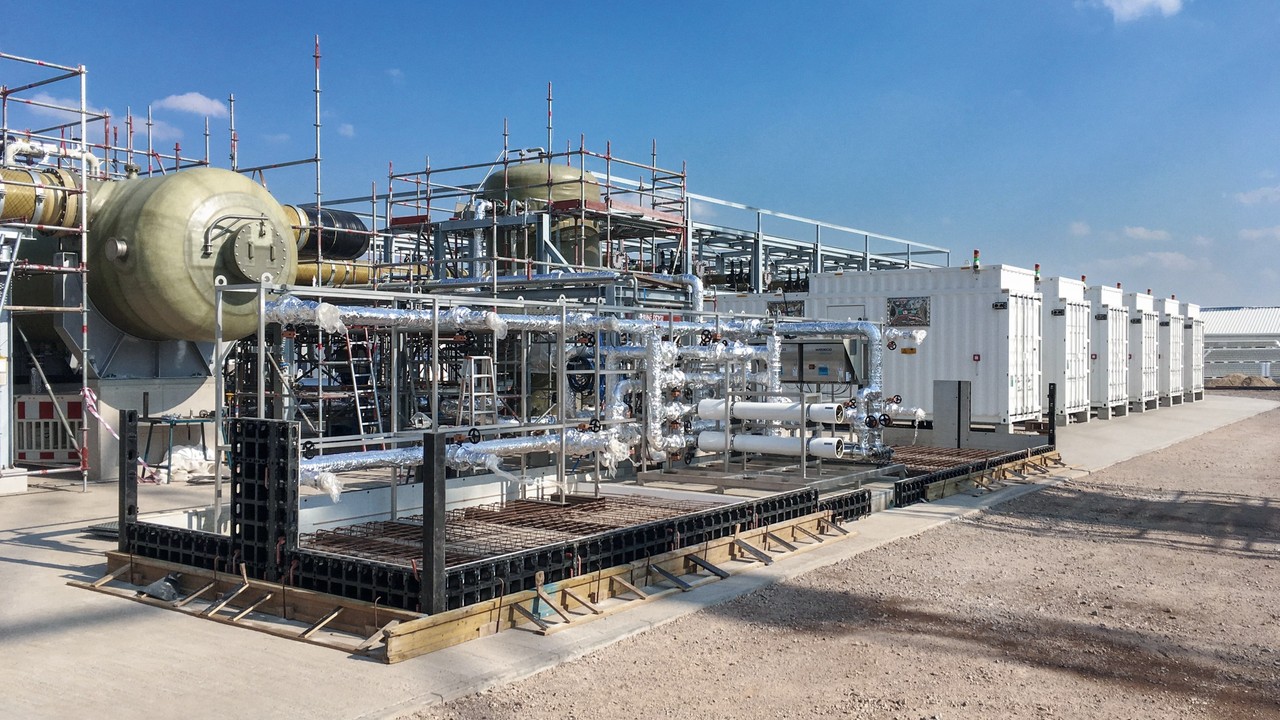
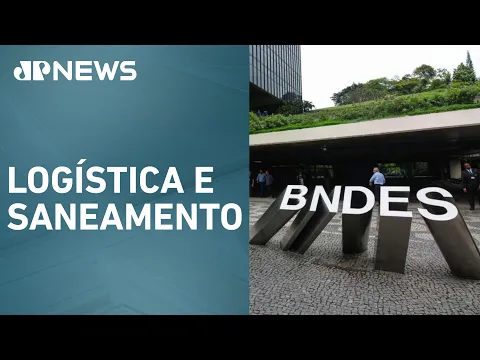
The National Bank for Economic and Social Development (BNDES) approved an investment of R$ 672.9 million for the modernization of Unipar’s factory in Cubatão, São Paulo. This investment project marks an important step in sustainable production in the chemical sector, reinforcing Brazil’s commitment to energy transition and industrial decarbonization, according to the News Agency website.
Why Is Unipar’s Project a Sustainable Milestone?
The investment in the modernization of the Cubatão Factory by BNDES involves a replacement of outdated technologies, such as the use of mercury and diaphragm technology, with membrane technology. This upgrade is not only a technological advancement but also a requirement of the Minamata Convention, an international agreement that prohibits the use of mercury in industrial processes after December 2025.
With the changes and investments made by BNDES, the factory will reduce CO2 emissions by up to 70 thousand tons per year, as well as decrease energy consumption by 18%. This savings is equivalent to the residential demand of about 340 thousand people, highlighting the positive impact on energy efficiency.
-
Brazil saved US$ 32.4 billion in 2025 by switching from fossil to renewable energy and only ranked behind China and the United States on the IRENA global podium.

-
Fired during apartheid and with a little borrowed money, an electrician started with a borrowed truck and transformed electrical services into a group connected to energy, real estate, and infrastructure in South Africa.

-
Wood has ceased to be just a construction material in Yale research and has become insulation for electrical transformers that face intense heat, aging, and increasing pressure from the renewable energy-powered grid.
-
More than 1,000 residents of a remote island in Kiribati now have clean water and electricity with solar systems operated by the community itself.


Benefits of Membrane Technology
- Higher Energy Efficiency: Consumes less steam and electricity, saving operational costs.
- Purer Production: A generated caustic refrigerant is of high quality, benefiting various sectors.
- Reduction of Environmental Impact: The technology significantly reduces greenhouse gas (GHG) emissions.
Strategic Investment and Job Creation
Of the R$ 672.9 million in investments, R$ 400 million comes from the Climate Fund and R$ 272.9 million from BNDES Finem Environment. These resources boost sustainability and industrial innovation in Brazil. During the project’s implementation at the factory, it is estimated that 1,232 direct and indirect jobs will be created, contributing to the economic development of the region.
In addition, the financing improves Unipar’s debt profile, offering competitive conditions for future sustainable growth plans.
The Role of the Climate Fund in Energy Transition
The Climate Fund, linked to the Ministry of the Environment and Climate Change, is an essential instrument for projects aimed at reducing GHG emissions and adapting to climate change. It supports initiatives that promote low-carbon technologies, consolidating Brazil’s leadership in the green economy.
According to Aloizio Mercadante, president of BNDES, Unipar’s project is an example of how the Climate Fund can contribute to energy transition in the country, with large-scale environmental and economic benefits.
Unipar and Its Importance in the Chemical Sector
Unipar is one of the key players in the chemical and petrochemical sector in Brazil. Its raw materials serve essential industries, such as:
- Basic Sanitation: Production of inputs for water treatment.
- Civil Construction: Raw materials for PVC and other materials.
- Pharmaceutical and Food Industries: High-quality chemical products.
With the modernization of its factory in Cubatão, Unipar not only increases its productive efficiency but also reinforces its commitment to sustainability and innovation.