





 Portuguese
  English
  Spanish
  4 min of reading
  0 comments


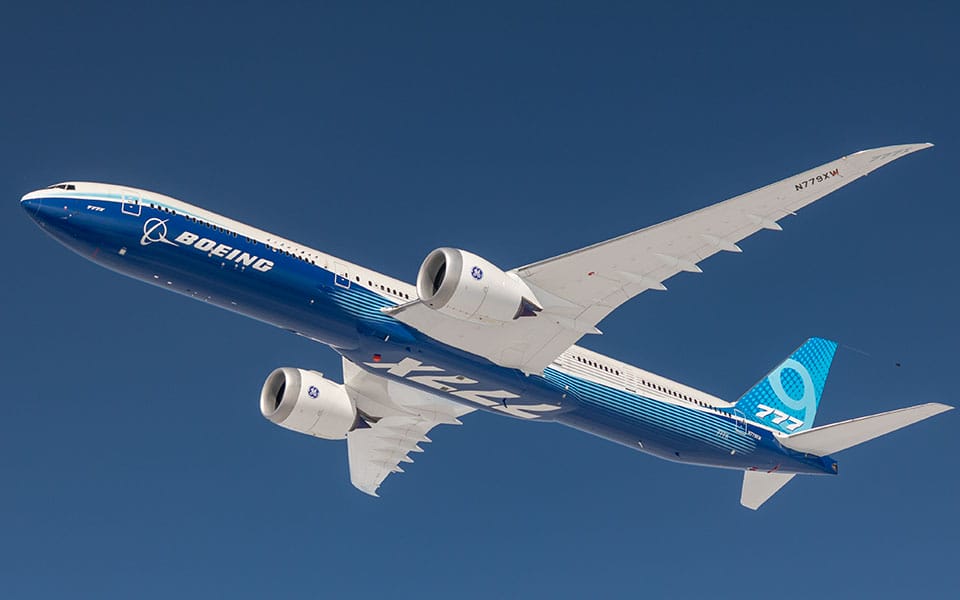
Boeing To Cut 17,000 Jobs And Delay First Delivery Of 777X Jet By A Year Due To Workers’ Strike
According to the NYT, Boeing, one of the largest aircraft manufacturers in the world, announced on Friday a significant 10% cut in its workforce, resulting in the elimination of approximately 17,000 jobs. This move is part of a broader restructuring plan aimed at reducing costs and improving production, which has faced ongoing delays in recent years.
Kelly Ortberg, the new CEO of Boeing, who took over in August, sent an internal memo to employees explaining that the company urgently needs to change the way it operates to overcome challenges and leverage its key competitive advantages.
Ortberg emphasized that the last time Boeing reported annual profits was in 2018, and that difficult decisions must be made to ensure the company’s long-term competitiveness.
-
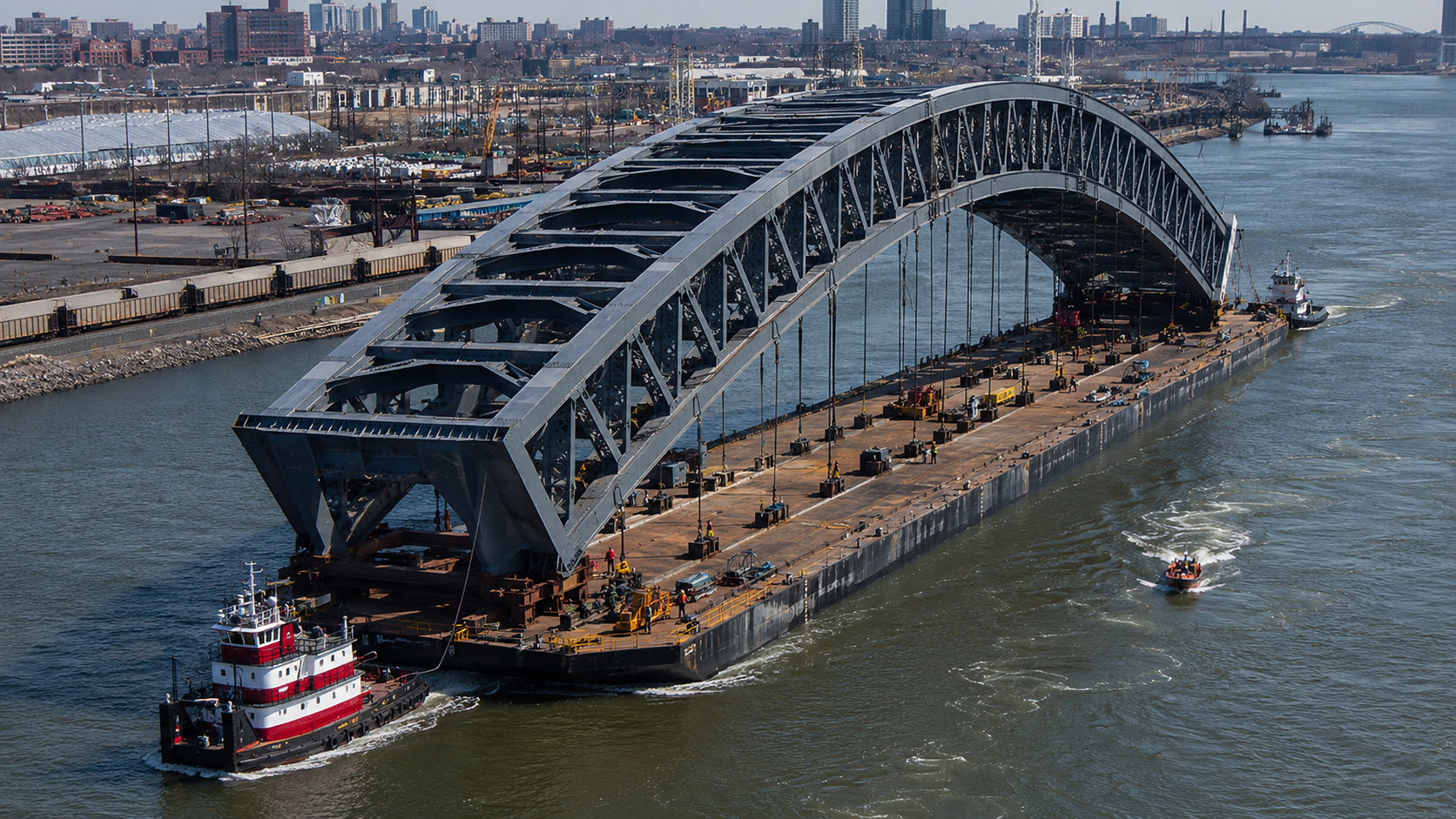
While old bridges still span railways around the world, in the United States a 2,300-ton structure was assembled off-site and transported by barge along the Hudson River to replace a century-old bridge.

-
Egypt builds a $5.5 billion monorail over Cairo with beams weighing 80 to 100 tons lifted by mobile cranes, while streets need to be blocked to erect nearly 100 km of suspended train.
-
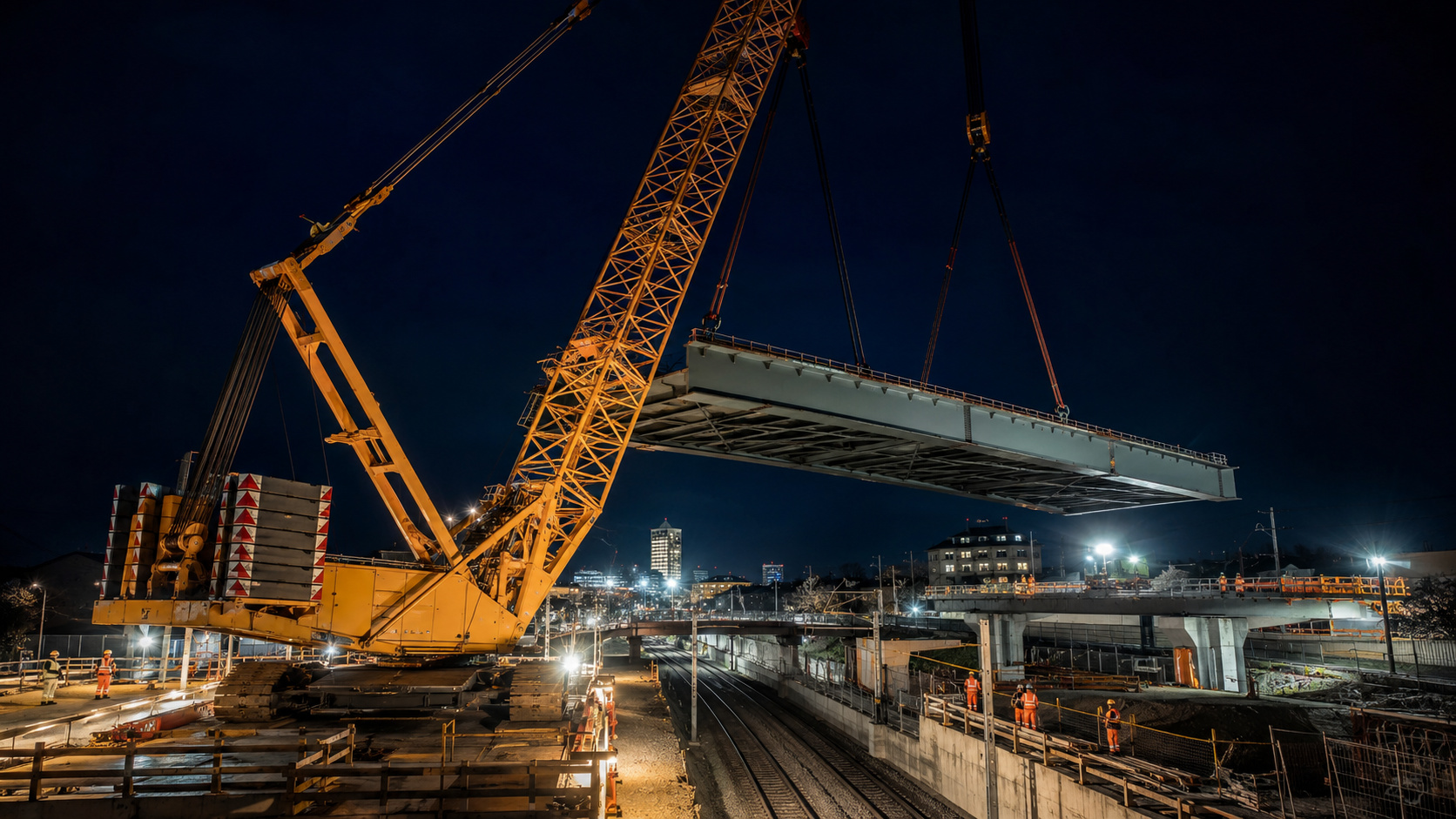
While the city slept in Switzerland, a 255-ton bridge was lifted in the dark by a 1,000-ton crane in a nighttime operation with millimeter precision.
-
Near Amsterdam, a construction project next to the A9 highway placed 19 concrete beams in sequence on the same day, with pieces up to 31.5 meters and 60.5 tons.


Impact Of The Strike And Financial Issues

Boeing is facing a particularly delicate moment, exacerbated by an expensive and disruptive strike that has lasted almost a month. Workers, represented by the International Association of Machinists and Aerospace Workers union, rejected the company’s last contract offer, leading more than 33,000 employees to strike. This has halted the production of several Boeing commercial aircraft, further increasing the company’s financial losses.
In addition to the job cuts, Boeing announced that it is dealing with new costs totaling US$ 5 billion associated with various commercial and defense programs. Ortberg acknowledged the difficulties and highlighted that restoring the company requires structural changes to ensure competitiveness and delivery of products to customers.
Job Cuts And Changes In Production
The job cuts will affect all levels of the company, including executives, managers, and production line workers. The reduction in Boeing’s workforce is not new; in April 2020, the company announced a similar cut due to a sharp decline in air travel demand caused by the Covid-19 pandemic. By the end of that year, the employee count had fallen to 141,000.
Ortberg, a former executive at Rockwell Collins, a supplier of aerospace parts, revealed that Boeing will also adjust its product line in addition to changing the delivery schedule for new jets. Among the most significant changes is the decision to discontinue production of the 767 freighter after fulfilling remaining orders.
In addition to the job cuts, the delivery of the 777X, designed for international travel, has been postponed to 2026, a year later than previously anticipated. The 777X program was launched in 2013 with the first delivery expected in 2020, but it has been delayed repeatedly.
Challenges In The Defense Sector And New Losses
Ortberg also warned that Boeing may face additional losses due to fixed-price defense contracts, which have pressured the company’s finances in recent years. Supply chain issues and rising costs have worsened the situation. Boeing projects a US$ 2 billion impact related to the 777X delay and the discontinuation of the 767, along with US$ 3 billion in costs due to fixed-price defense programs.
Boeing has already been facing a series of difficulties since the crisis involving the 737 Max, whose safety failures resulted in two fatal crashes years ago. In response, the U.S. Federal Aviation Administration (FAA) limited the production of Max jets until the company implemented significant improvements in quality and safety processes.
Strike And Frustrated Negotiations
While Boeing deals with its internal challenges, negotiations with the workers’ union remain at a standstill. This week, talks were halted when Boeing withdrew its last contract offer, accusing the union of a lack of willingness to negotiate. In turn, workers are demanding a 40% wage increase, along with the reinstatement of a frozen pension plan and other improvements. They cite growing frustration with the rising cost of living in the Seattle area and company policies they consider unfavorable.
The strike is costing Boeing tens of millions of dollars per day, and workers are finding inspiration in recent successful negotiations by other unions in various sectors.
Future Outlook And Financial Impact
Boeing is under pressure to restore confidence among its customers and overcome financial challenges. The company expects to report revenue of US$ 17.8 billion in the upcoming quarterly report, which will be released soon, but also projects a loss of nearly US$ 10 per share.
The future of Boeing looks even more uncertain with the possibility of a new downgrade in its credit rating, according to S&P Global Ratings.
Depending on the duration of the strike, Boeing could see its rating downgraded to “junk” status, which would increase the company’s financing costs, further impacting its already fragile financial position. Today, Boeing carries a debt of about US$ 58 billion, compared to the US$ 9 billion recorded a decade ago.
The new CEO has expressed confidence that the changes will bring results, but the path to restoring confidence and financial stability for Boeing will be challenging and lengthy.









Be the first to react!