Portuguese
  Spanish



Project Launched in 2023 Predicted US$ 150 Million in Investments and 100 Thousand Jobs by 2026, but Reaction from Brazilian Factories and Structural Barriers Slowed the Expansion Rate
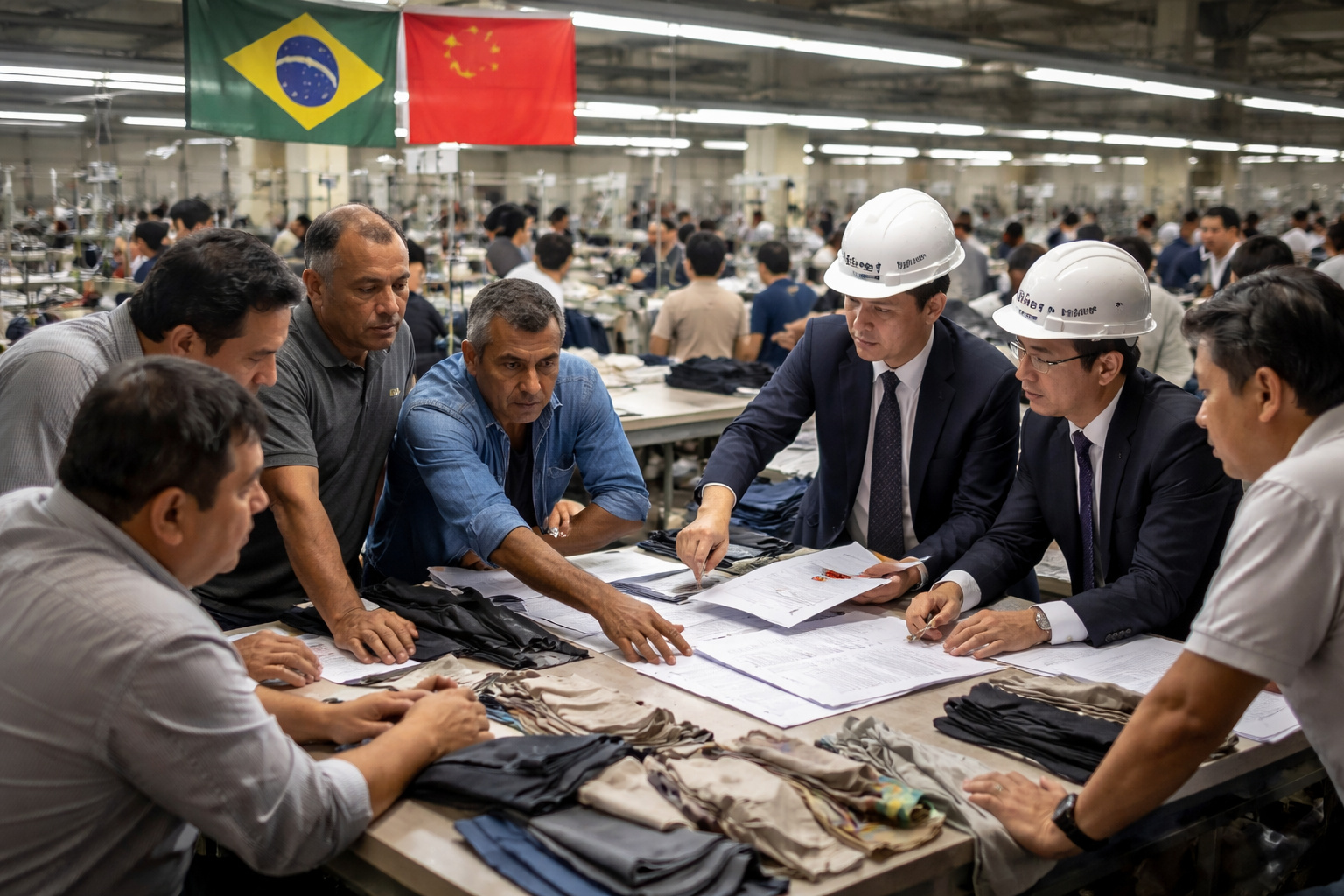
An ambitious strategic move placed Brazil at the center of Shein‘s industrial expansion in March 2023. At that moment, the Chinese retailer announced US$ 150 million in investments and promised to create 100 thousand jobs by 2026. However, throughout 2024, the plan began to lose momentum due to internal resistance from the national textile sector.
According to a survey published by Reuters at the end of 2023, the initial goal was to partner with 2 thousand Brazilian factories. However, only 336 units signed agreements in the first year. Thus, the number was far below the projected, and the original schedule began to be reevaluated.
Since then, the project revealed the difficulties of replicating the productive model established in China in Brazil. Moreover, it exposed the clash between the ultra-low-cost strategy and the structural conditions of the Brazilian industry.
-
Former Shoe Factory Worker Turned Entrepreneur Opens 19th Tool Store, Projects $230 Million Revenue, Expands to São Paulo

-
Father Founded Arezzo in a Belo Horizonte Garage; Son, as CEO, Merges to Form “Azzas 2154” with Over 30 Brands, 2,000 Stores, and a $110 Million IPO
-
At 21, he used a $40,000 family loan to start a stationery brand in Brazil; today, BRW earns $48 million annually, has 20,000 sales points, and holds 11 patents, including a highlighter with lip gloss to appeal to teens.

-
End of an Era in Brazil: Automaker Shuts Down Mega Factory After Sales Slump, While Chinese Company Plans to Revive It with 100,000 Vehicles Annually


Investigation into Local Production Exposes Structural Barriers
Initially, the proposal was to transform Brazil into a production hub to supply Latin America. However, in a subsequent communication to the press, Shein itself admitted that the plan “did not happen as expected.”
According to the company, national production needed time to mature. Furthermore, differences in industrial infrastructure made progress slower and more challenging. Consequently, logistical costs and timelines impacted the pace of expansion.
Meanwhile, in the Chinese province of Guangdong, around 7 thousand integrated factories operate near suppliers of fabrics and trimmings. This system ensures agility and competitive pricing. In Brazil, however, the geographical dispersion of factories, the tax burden, and labor legislation created a distinct scenario.

Brazilian Textile Industry Reacts to Commercial Demands
Meanwhile, national entrepreneurs began to question the imposed conditions. According to reports to Reuters in 2024, the retailer was requesting reductions of up to 30% in prices, in addition to delivery times considered incompatible with local structure.
Fernando Pimentel, director of the Brazilian Textile and Apparel Industry Association (Abit), stated that working in Brazil is different from working in China. According to him, the country has specific regulatory frameworks and norms, which impact costs and operations. Thus, he lamented that the project did not advance as planned.
Meanwhile, Northeast entrepreneurs reported that, to meet Shein’s targets, it would be necessary to replace fabrics and reduce margins to levels considered unsustainable. Therefore, various contracts were terminated just a few months after production began.
Brazil Remains Strategic Despite Production Setback
Still, despite the industrial slowdown, Brazil remains relevant to the company. Currently, the country is the second largest market for Shein, behind only the United States. Moreover, the Brazilian marketplace has more than 45 thousand active sellers.
Thus, although the local production plan has been resized, the commercial presence remains robust. At the same time, the episode highlights the limitations of the ultra-low-cost model outside of China and reinforces the importance of adapting to Brazilian regulatory and structural conditions.
In light of this scenario, the central question remains: Should Shein insist on replicating the Chinese model or adapt its strategy to the industrial reality of Brazil to ensure sustainable expansion?