






 Portuguese
  Spanish
  4 min of reading
  0 comments


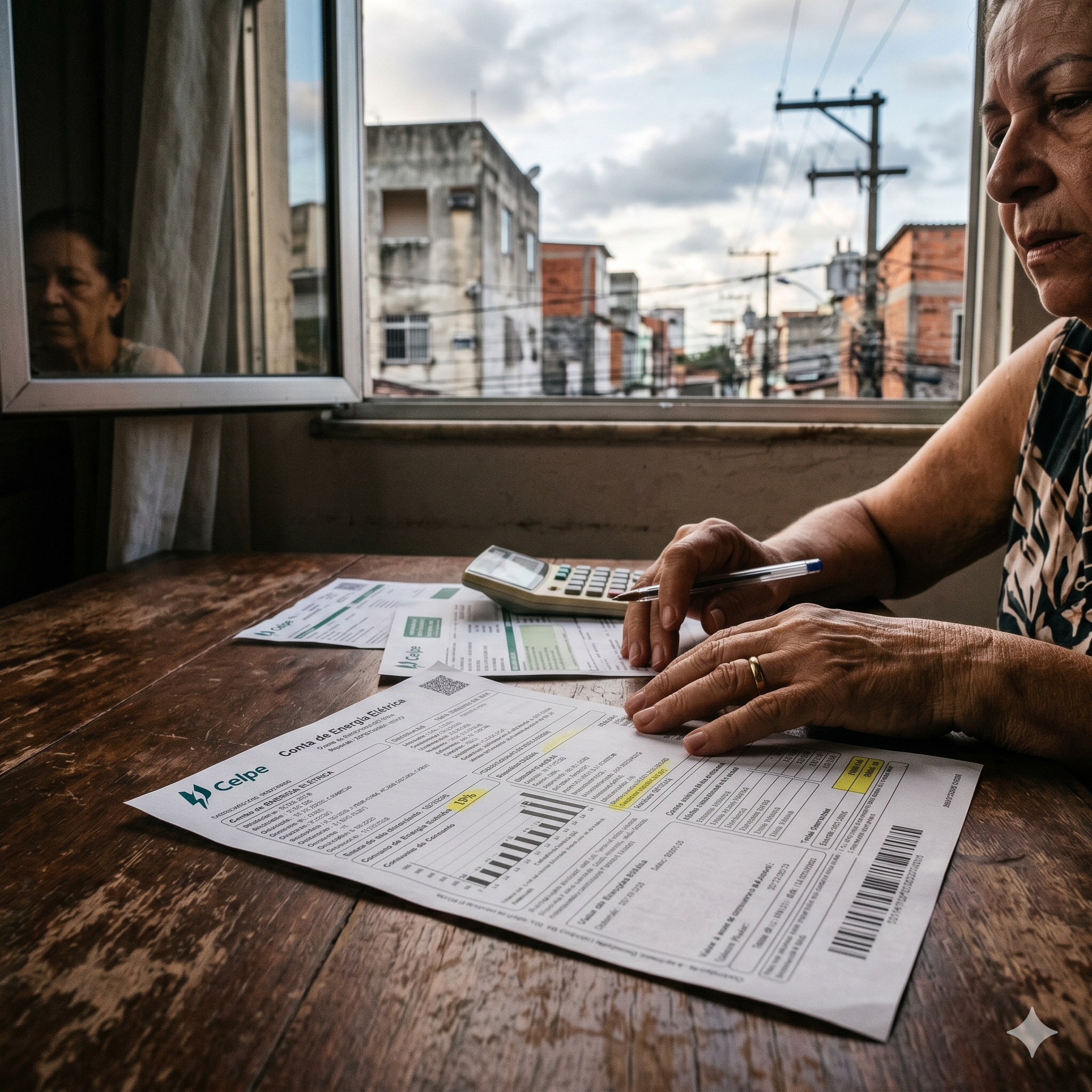
Aneel approves electricity bill readjustment of up to 15%, impacting 22 million Brazilians in 8 states due to increased costs in the electricity sector.
On April 22, 2026, the National Electric Energy Agency approved a series of tariff readjustments that will directly impact approximately 22 million consumers in different Brazilian states. The decision involves distributors operating in strategic regions of the country and marks a change from the recent scenario of more stable tariffs. According to information released by outlets such as Reuters and R7, readjustments vary according to each concessionaire, with increases ranging from approximately 5% to over 15% in some cases.
These new values become effective immediately after the official publication of the agency’s decisions, affecting residential, commercial, and industrial consumers alike. The impact is not isolated: it affects millions of families simultaneously and signals a return of pressure on electricity bills in 2026.
Increases vary among distributors and reach over 15% in some regions
The approved readjustments are not uniform and depend on the distributor responsible for energy supply in each region.
-
Brazilian Joins Homeownership Consortium, Faces Decade of Dual Payments Totaling $141,000, Surpassing Traditional Mortgage

-
Land Rover to Halt Production in July, Putting 371 Jobs at Risk, as Chinese Automaker Negotiates to Convert Factory to 100,000 Vehicles Annually by 2027

-
Mexican Pest Threatens U.S. Cattle Herds at Historic Lows, Potentially Boosting Brazilian Beef Exports as Burger Prices Soar

-
Brazilian Freight Bill Progresses in Congress with $5,000 Minimum Wage, 70% Advance Payment, and Fines Up to $1 Million, as Agriculture and Industry Warn of Rising Costs and Legal Uncertainty


Among the main cases:
- CPFL Santa Cruz recorded the highest average increase, reaching 15.12%
- CPFL Paulista had an adjustment of about 12.13%
- Energisa Mato Grosso do Sul also exceeded 12%
- Other distributors, such as Coelba (BA), Enel Ceará (CE), and Cosern (RN), had increases between 5% and 6%
These variations show that the impact on the consumer’s pocket directly depends on the region and the company responsible for distribution.


In practice, this means that some Brazilians will feel a stronger increase than others, even within the same country.
Affected states include regions in the Southeast, Northeast, and Central-West
The readjustments affect consumers in several states, including:
- São Paulo
- Mato Grosso do Sul
- Mato Grosso
- Bahia
- Ceará
- Rio Grande do Norte
- Sergipe
These regions concentrate millions of consumer units and include both large urban centers and areas with a strong industrial and agricultural presence. The geographical scope of the measure reinforces the broad nature of the readjustment, which is not restricted to a single region of the country.
Increase driven by transmission costs, energy purchase, and sector charges
Aneel explained that the readjustments are a result of several factors that make up the final cost of electricity in Brazil. Among the main ones are:
- The increase in transmission costs
- The increase in the price of energy purchased by distributors
- Sectoral charges included in the electricity bill
These charges include subsidies and public policies in the electricity sector, such as incentives for renewable sources and social programs.
This set of factors forms the basis of the increase and shows that the final tariff goes far beyond the direct cost of energy generation.
Energy Development Account pressures tariffs and exceeds R$ 50 billion
One of the main elements influencing the increase in tariffs is the Energy Development Account (CDE), a fund that finances various subsidies in the electricity sector.

According to recent data, the CDE budget for 2026 exceeded R$ 50 billion, a value that is passed on, directly or indirectly, to consumers in their electricity bills.
This mechanism is responsible for covering everything from tariff benefits to incentives for distributed generation and renewable energy projects.
The growth of this fund has a direct impact on the tariff and is one of the main structural factors behind the adjustments.
Adjustments could be even higher, but were partially reduced
According to sector information, the increases approved by Aneel were even higher in initial projections. However, part of this impact was reduced by measures such as:
- Use of extraordinary resources
- Deferral of costs to future years
- Anticipation of regulatory revenues
These strategies were adopted to avoid even higher increases in 2026. Even so, the approved adjustments remained above projected inflation, indicating real pressure on family budgets.
Impact goes beyond families and can affect inflation and the economy
The increase in electricity bills does not only affect the final consumer. Electricity is an essential input for practically all sectors of the economy. This means that tariff adjustments can be reflected in:
- Increased costs for industries
- Price increases in commerce
- Pressure on services
- Indirect impact on inflation
When energy prices rise, the effect tends to spread throughout the economy, amplifying the initial impact of the measure.
Residential consumers are also affected, even with a smaller impact than industrial
Although the impact is stronger on high-voltage consumers, such as industries, residences also feel the increase. In many cases, the adjustment for residential consumers was between 3% and 9%, depending on the distributor.
Even smaller percentages can represent a significant impact on family budgets, especially in a context of other high costs. For millions of Brazilians, the electricity bill remains one of the main fixed monthly expenses.
Given this scenario, can the cost of energy continue to pressure Brazilians’ pockets?
The adjustment approved by Aneel in April 2026 is not an isolated event, but part of a broader context of the Brazilian electricity sector. With rising costs, high charges, and a constant need for infrastructure investment, the trend is for the tariff to remain a sensitive issue in the coming years.
The direct question remains: with millions of consumers already impacted now, to what extent will the electricity system be able to balance costs and keep electricity bills affordable for the Brazilian population?


Be the first to react!