Portuguese
  Spanish


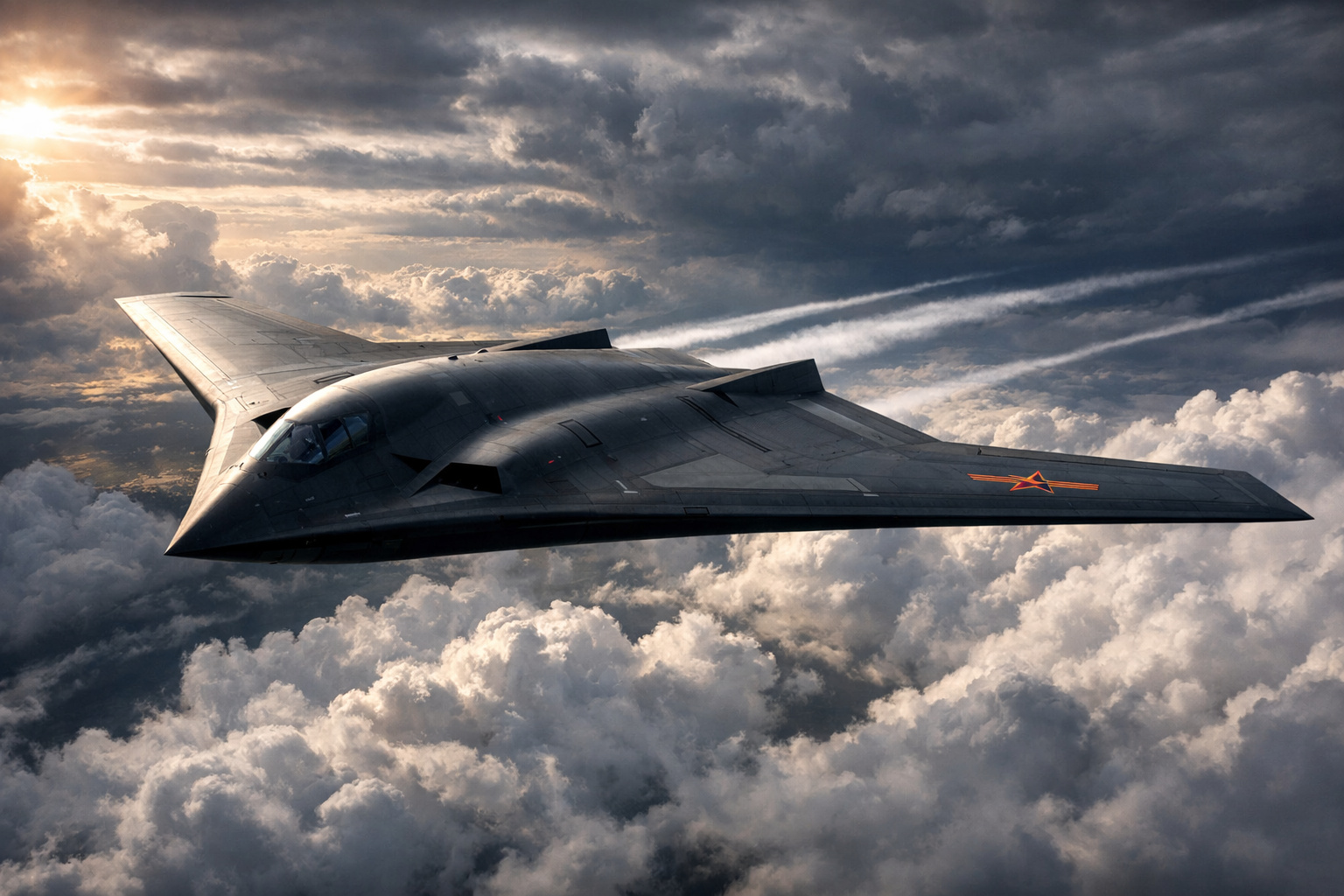


New System Increases The Speed Limit Of Stealth Aircraft Like The H-20 By Over 60%
China Has Unveiled A New Technology Capable Of Making Its Bomber Planes Up To 60% Faster. This Advancement Could Change The Balance Of Global Military Aviation. Moreover, The Innovation Combines Increased Speed With Stealth, Something Engineers Have Always Considered Extremely Complex.
International Defense Vehicles Have Announced The News And Military Analysts Are Already Discussing The Strategic Impact. Even In Testing Phase, The Announcement Pressures Other Powers To Accelerate Their Own Projects.
System Reduces Vibrations And Releases More Performance

The New System Acts Directly On The Dangerous Wing Vibrations, Known As “Flutter”. This Phenomenon Occurs At High Speeds And Has Always Limited The Performance Of Flying Wing Aircraft, Widely Used In Stealth Projects.
-
U.S. Navy’s Ticonderoga-class Cruiser Becomes a 9,800-Ton Missile Fortress with Advanced Aegis System Capable of Tracking Hundreds of Targets

-
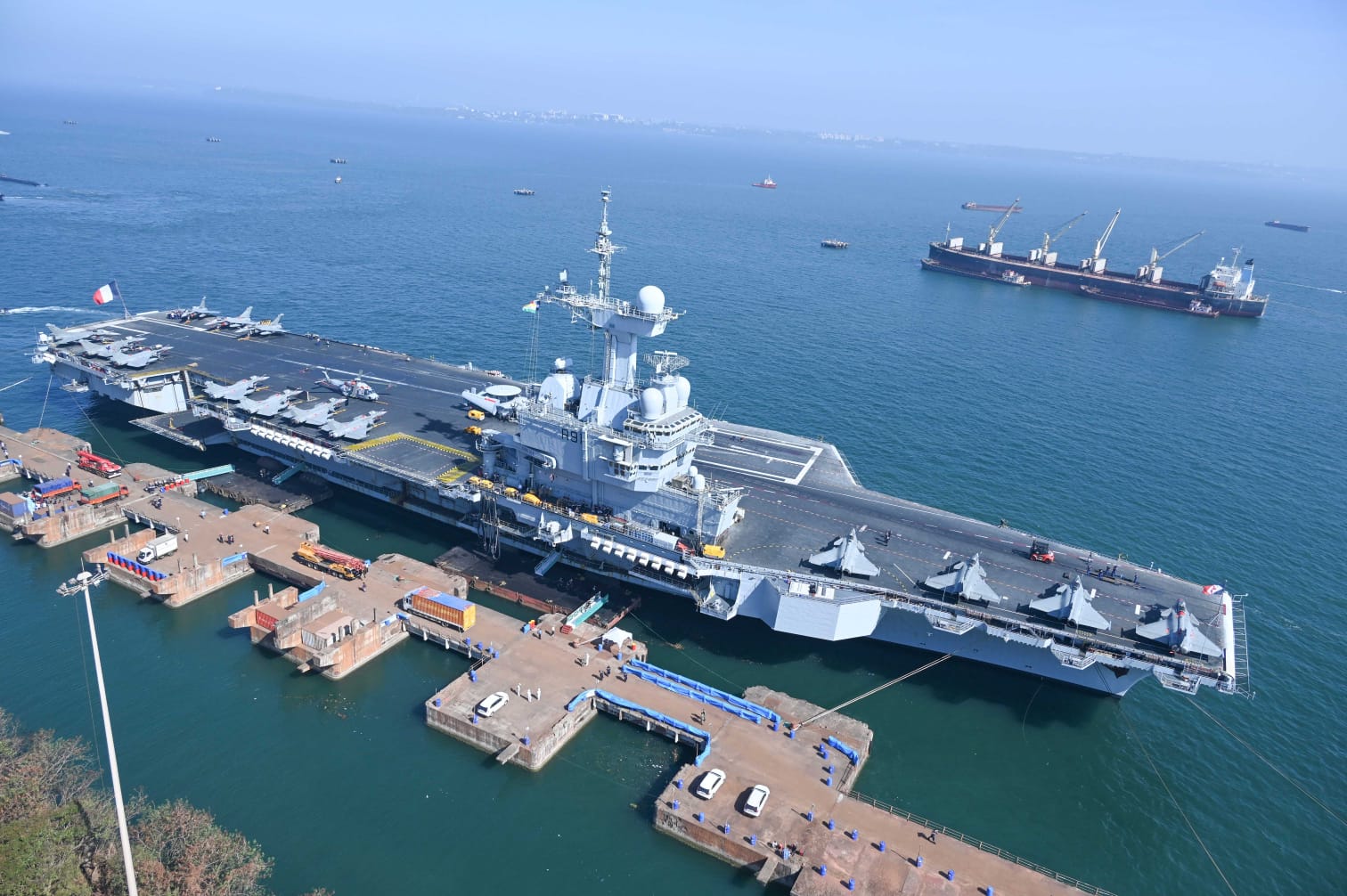
France’s Charles de Gaulle: The Sole Nuclear-Powered Aircraft Carrier Outside the US, Weighing 42,500 Tons and Equipped with Two Atomic Reactors

-
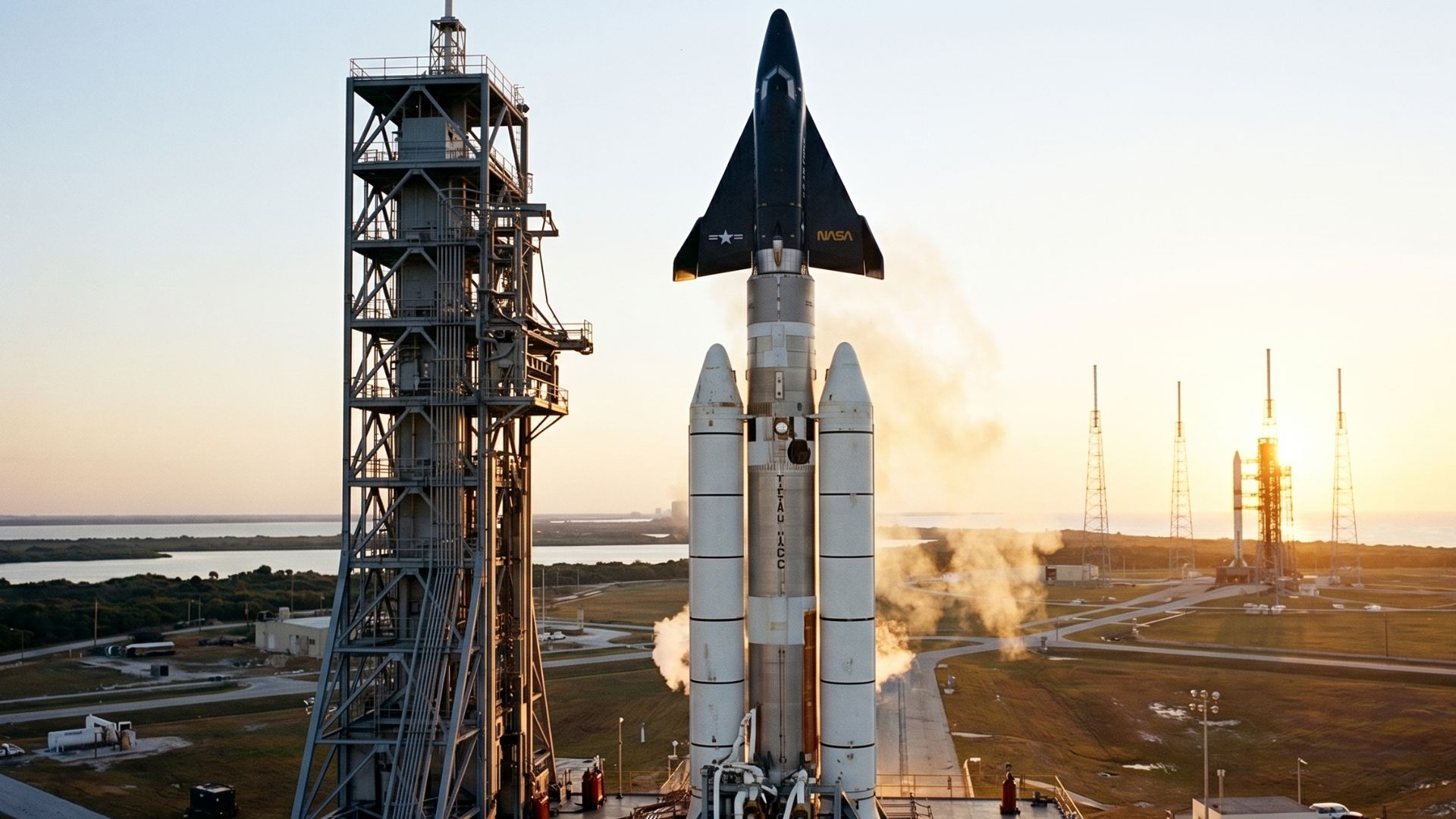
The military spaceplane that almost took the Cold War into orbit: Boeing X-20 Dyna-Soar was designed to re-enter above Mach 20, fly for up to 40 hours, land like a plane, and transform Titan rockets into a gateway to a new era of orbital warfare.
-
FAB bets on national drones and increases investments to strengthen the Brazilian aerospace industry



Historically, Stealth Bombers Operate At Subsonic Speeds To Maintain Structural Stability And Safety. However, Any Increase In Speed Already Represents A Strategic Gain In Long-Range Missions.
Now, Chinese Engineers Have Installed Advanced Sensors And Integrated Intelligent Algorithms Into The Aircraft Structure. These Systems Monitor Vibrations In Real-Time And Adjust Structural Behavior Instantly. This Way, The Plane Flies Faster While Maintaining Stability.
Initial Tests Show That The Team Successfully Increased The Safe Speed Limit By Over 60% Before The Onset Of Instabilities. Still, Experts Await Confirmation On Performance In Large Aircraft.
H-20 May Debut The New Technology
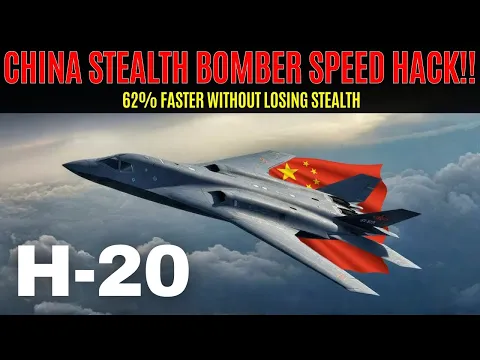
The China May Integrate This Innovation Into The H-20, A Long-Range Stealth Bomber That The Country Has Been Developing In Secrecy For Years. Analysts See The Model As A Direct Rival To The B-2 Spirit And The Future B-21 Raider, Both From The United States.
If The Chinese Air Force Adopts The Technology In The H-20, The Impact Will Be Significant. A Faster Stealth Bomber Reduces Response Time In Offensive And Defensive Operations. Moreover, It Increases The Chances Of Penetrating Areas Protected By Advanced Air Defense Systems.
Experts Assess That The Combination Of Increased Speed And Effective Stealth Creates A Relevant Strategic Advantage. However, The H-20 Has Yet To Enter Service. The Program May Take Years To Achieve Full Operational Capability.
Even So, The Simple Announcement Already Alters The Geopolitical Dynamic. China Accelerates Its Air Modernization While Other Powers Reassess Their Technological Priorities.
In Summary, The New Technology Could Transform The Performance Of Chinese Bombers. If Tests Confirm The Results, Stealth Aircraft Could Operate Up To 60% Faster, Maintaining Stability And Low Radar Detection.
Do You Believe This Technology Could Change The Military Balance Between China And The United States In The Coming Years?