






 Portuguese
  Spanish
  5 min of reading
  0 comments


Discover How Coffee Grounds Are Transformed into Biogas, Generating Clean Energy and Strengthening Sustainability in Brazil.
The contemporary world faces a growing concern for sustainability and waste reuse; therefore, innovative initiatives constantly emerge to transform what was once considered waste into useful resources.
An emblematic example of this trend is Nespresso’s project, which transformed coffee grounds into biogas, thus closing a sustainable cycle that combines recycling, clean energy, and environmental awareness.
Historically, coffee has always played a significant role in the Brazilian economy and culture. Since the 18th century, when coffee cultivation began to expand across the country, to the present day, coffee has become an essential part of daily life.
-
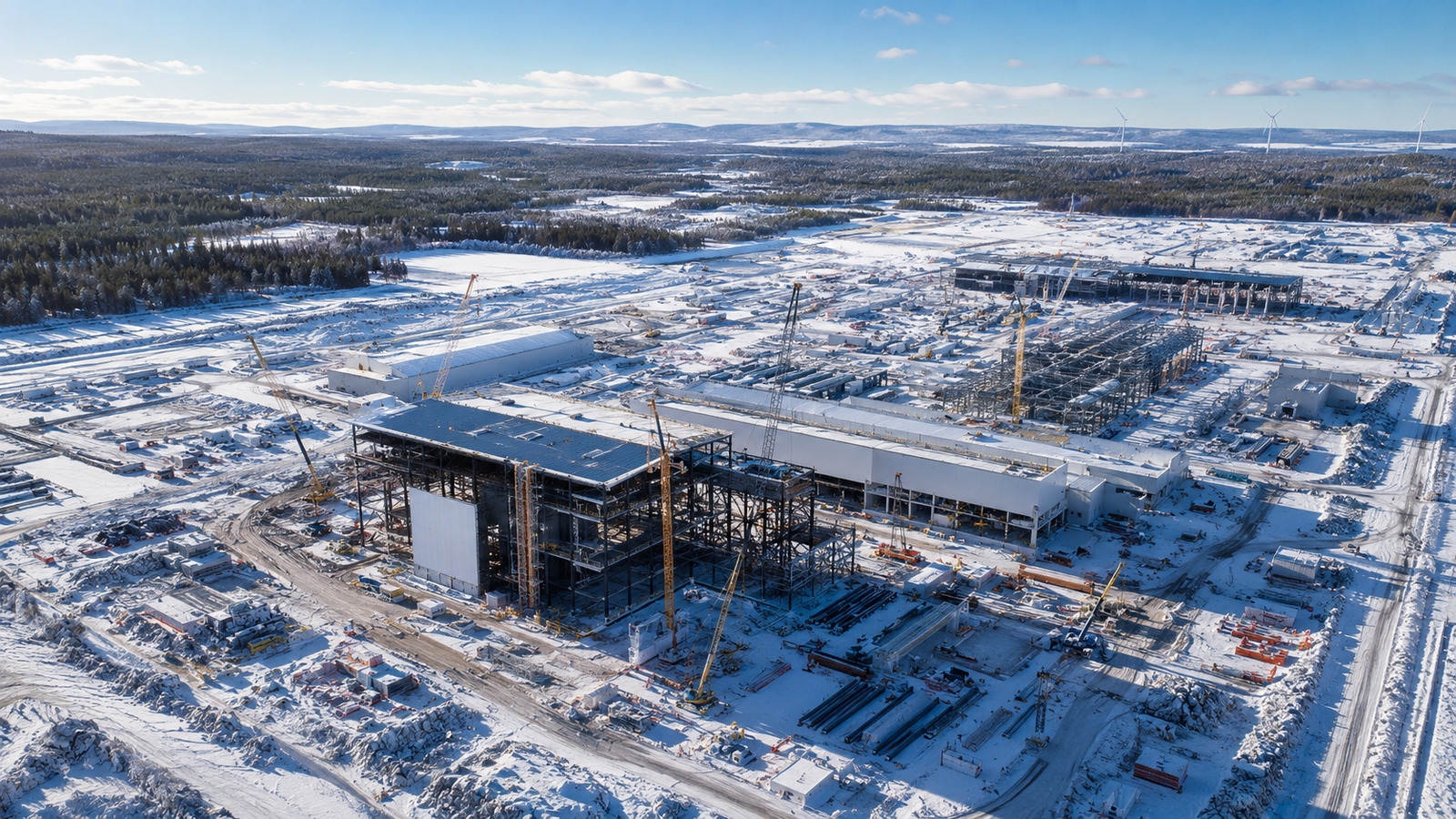
US$ 7 billion, green hydrogen, and steel with up to 95% less CO₂: the first green steel plant on the planet emerges in Sweden and targets Brazil as the next chapter

-
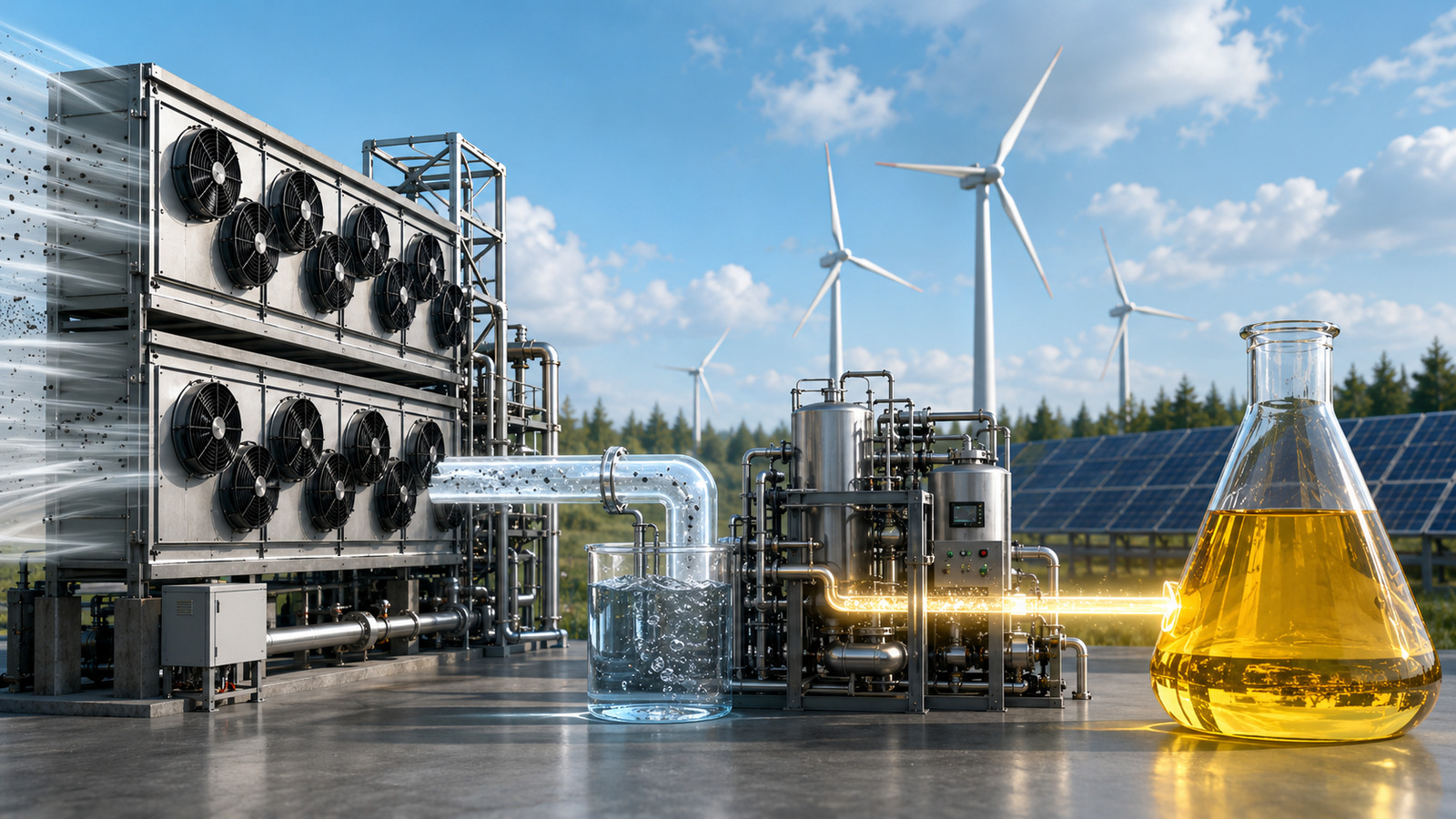
Swedes manage to create synthetic fuel with CO₂, water, and renewable energy, compatible with current engines, but face a huge problem: the energy expenditure is still double the return.
-
Brazil begins to transform wheat, residues, sweet potatoes, and soy molasses into ethanol, in a new phase of biofuels that seeks to utilize leftovers from the field and industry to fuel flex-fuel cars.

-
Sebrae and Petrobras join forces in Ceará to include waste pickers in the circular economy and strengthen the biofuel chain, creating new income opportunities and expanding the sustainable use of waste with a direct impact on regional development.


However, the use of capsules has brought new environmental challenges, especially regarding the proper disposal of waste. Each capsule contains not only coffee but also materials like aluminum, which therefore need to be recycled to avoid impacts on the environment.
In this sense, Nespresso recognized this need and initiated a pioneering project that transforms coffee grounds into biogas, utilizing organic waste that would otherwise be improperly discarded.
Annually, the company collects about 52 million coffee capsules in Brazil from selective collection points or sent via mail. Additionally, the aluminum from the capsules has been reused for several years, but now the innovation lies in the utilization of coffee grounds, transforming it into a renewable energy source.
Moreover, the project strengthens the circular economy in the country. Thus, transforming coffee grounds into biogas combines environmental responsibility and technological development.
It shows that everyday waste can become valuable resources when there is planning and investment.
Biogas and Clean Energy
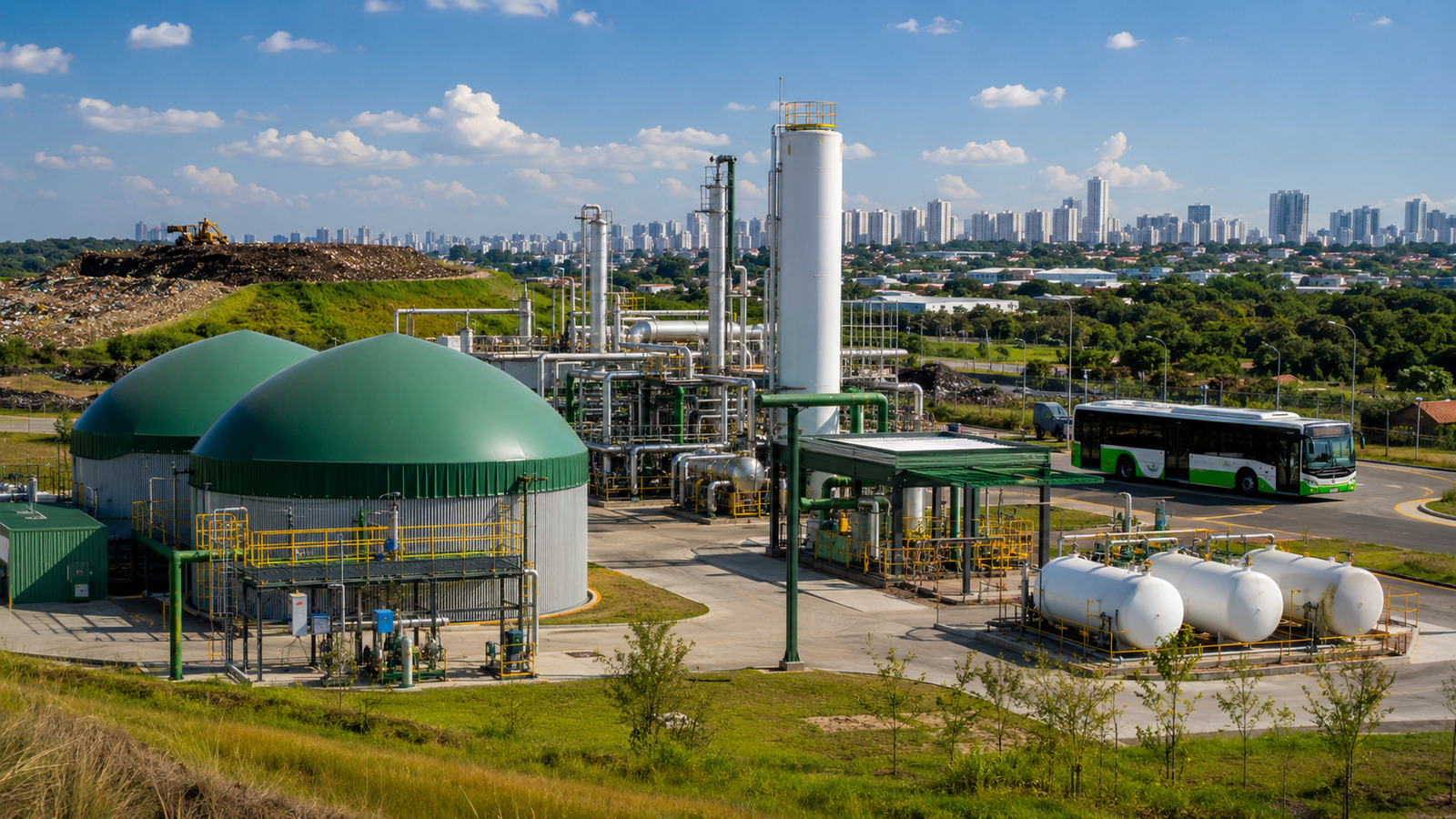
Biogas, a gas generated from the decomposition of organic matter, represents, therefore, a sustainable alternative to fossil fuels.
Produced from coffee grounds, it wil power Nespresso’s factory in Araçatuba, in the interior of São Paulo, significantly reducing the carbon footprint of the operation.
Coffee grounds, rich in carbohydrates, proteins, and fats, provide an ideal substrate for biogas production, thus becoming an efficient energy resource and environmentally responsible.
Additionally, sustainability experts highlight that the presence of lipids in coffee grounds increases the amount of biogas produced, making the process even more productive.
Consequently, this initiative places Brazil in a global context of sustainable innovation, where organic and industrial waste transforms into clean energy, thereby contributing to the energy transition and the fight against climate change.
On the other hand, Nespresso also demonstrates how large companies can integrate sustainability into their production chain.
With an investment of R$ 2 million specifically allocated to reuse coffee grounds, part of a bigger plan of R$ 74 million for sustainability actions, the initiative encompasses everything from responsible farming practices to raising consumer awareness about the importance of recycling.
Since March, when the pilot project started, the company has been sending the collected capsules to a recycling unit in Valinhos, São Paulo.
There, the team separates aluminum from the grounds, which then goes to a partner industry in Jundiaí to produce biogas.
Moreover, all transportation uses electric vehicles, ensuring that the operation is environmentally efficient at all stages.
Furthermore, the use of biogas allows significant reductions in greenhouse gas emissions.
Awareness and Consumer Participation
The initiative also has, therefore, a strong educational component.
Nespresso provides consumers with a mail service to send their used capsules, using free cardboard collectors sent along with coffee orders.
For corporate clients consuming large volumes, over five thousand capsules per month, the company offers the personalized Recycling Car service, which improves collection logistics and thus strengthens the sustainability culture in the business environment.
The concept of transforming waste into energy is not entirely new, but the use of coffee grounds to generate biogas represents a significant evolution in how we view organic waste.
In the past, food scraps went to landfills or dumps, contributing, therefore, to the emission of greenhouse gases.
With the development of biodigestion and biogas production technologies, it has become possible to efficiently utilize these materials, creating renewable energy and reducing environmental impacts.
Moreover, historically, one can observe how waste management has evolved over the decades.
In the 1970s, the concern with urban waste focused on hygiene issues and local pollution.
In the 1990s, with the onset of discussions about global warming, public policies began to encourage recycling and the reduction of emissions of polluting gases.
Today, in the 21st century, the trend is not only to minimize impacts but also to transform waste into valuable resources, as happens with coffee grounds transformed into biogas.
Furthermore, the active participation of consumers is fundamental to the success of projects like this.
Each capsule sent for recycling directly contributes to the production of clean energy.
As a result, environmental education, combined with conscious consumption, reinforces sustainable habits that replicate across various areas of daily life.
Social and Economic Sustainability
The social impact of the initiative also deserves highlighting.
By encouraging recycling and consumer participation, Nespresso strengthens the culture of environmental responsibility.
Awareness of the destination of capsules and the reuse of grounds shows the importance of each individual in the sustainability process.
It demonstrates that small everyday actions can yield great results when integrated into structured projects.
Furthermore, producing biogas from organic waste like coffee grounds aligns with the global sustainable development goals.
The generation of clean energy reduces dependence on fossil fuels, decreases greenhouse gas emissions, and promotes a circular economy, where waste minimizes and resources are continually reused.
The initiative also demonstrates that innovation and sustainability can march hand in hand with economic growth.
The transformation of coffee grounds into biogas creates new business opportunities, encourages the development of green technologies, and reinforces the image of companies committed to environmental responsibility.
In addition, this type of project serves as a reference for other companies, showing that it is possible to combine consumption, innovation, and environmental preservation in a practical and efficient manner.
In the long term, investing in technologies to harness organic waste can generate jobs and strengthen local production chains.
This creates, therefore, synergy between economic development and environmental preservation.
A Sustainable Cycle
In summary, coffee grounds are transformed into biogas thanks to a structured project, with a positive environmental impact, valuing organic waste and raising consumer awareness.
Nespresso’s initiative represents a significant advancement in waste reuse, contributing to the circular economy and to the sustainable energy transition.
With ambitious goals of recycling, sustainable transportation, and efficient biogas utilization, the project reinforces the importance of transforming consumption habits and strengthening environmental practices in Brazil.
Moreover, projects like this indicate that the combination of technology, innovation, and environmental responsibility will become increasingly essential.
Transforming coffee grounds into biogas is not just an energy solution, but also a symbol of how small actions can generate significant impacts when there is planning, investment, and societal engagement.
Thus, each properly discarded coffee capsule contributes to a sustainable cycle, showing that sustainability can be integrated into daily life in a simple, practical, and efficient manner.







Be the first to react!