






 Portuguese
  Spanish


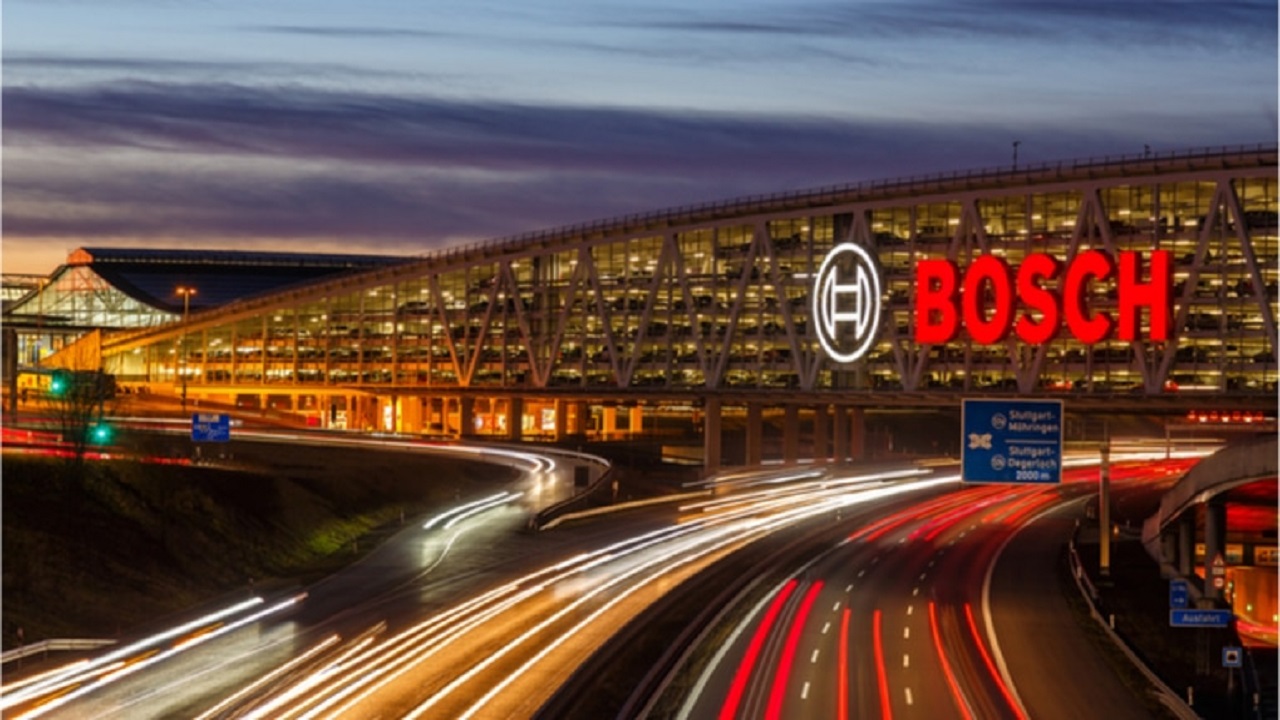

Leveraging the Semiconductor Crisis Affecting Various Sectors, Bosch Announced €400 Million in Investments for the Construction of 03 New Factories in Germany and Malaysia
Leveraging the crisis affecting the global semiconductor market, Bosch is responding more quickly to the problems caused by the shortage of this item in the manufacturing of products. A few months after the opening of the semiconductor production factory in Germany, in the city of Dresden, the company now announced an investment of €400 million for the coming year, aimed at the construction of new factories.
Read Also
Bosch Plans to Build New Factories to Meet Semiconductor Demand
The investments announced by the company are aimed at expanding the factories in Dresden and Reutlingen, both in Germany, and a new testing center for semiconductors in Penang, Malaysia.
The global CEO of Bosch, Volkmar Denner, states that the demand for semiconductors is increasing at a staggering pace. Therefore, the company is exponentially expanding the production of this item so that customers can be served in the best way possible.
-
Iconic Orange Double-Decker Bus, a Dutch Fan Favorite for Over 20 Years, Arrives in Texas for the World Cup After Touring Brazil, England, Qatar, and More

-
$100 Million Hypercar Collection, Including Ferrari LaFerrari and McLaren Speedtail, Found Abandoned at Los Angeles Airport
-
Hyundai ix35 2019: A Forgotten SUV with 2.0 Engine and 650 km Range Costs Less Than a New Kwid in Brazil
-
Harley-Davidson Enters Urban Electric Era with LiveWire S4 Honcho Minibikes: Lightweight, Affordable, 85 km Range, Priced Around $5,000



Of this investment in new factories, a large part will be allocated to the expansion of the facility in Dresden. Approximately €50 million will also be allocated to the expansion of the unit in Reutlingen, near Stuttgart, and in total, there will be €150 million for new clean rooms for industrial procedures by 2023. Finally, the company will build a testing center in Malaysia, in Penang, which will be responsible for testing new semiconductor chips and sensors in 2023.
Bosch Has Operated in the Semiconductor Market for 60 Years
According to Denner, the investments in new factories once again show the strategic importance of the company to have its own production capacity for core semiconductor technology.
Microelectronics is an essential factor for the success of all Bosch business sectors. Due to the great potential of this sector, the company has been manufacturing semiconductors for over six decades. Because of its extensive knowledge of microelectronics and expertise in software and electronics, Bosch is one of the rare companies that combines competitive advantage with semiconductor production to meet the demand for automotive and consumer electronics applications.
Since the implementation of 200mm technology in 2010, Bosch has invested over €2.5 billion in its new semiconductor factories in Dresden and Reutlingen alone. In addition, billions of euros have been invested in creating microelectronics.
Get to Know Bosch
In 1886, the Precision Mechanics and Electrical Engineering Workshop was founded by Robert Bosch in Stuttgart. This date marks the birth of a company that now operates globally.
Since its inception, it has been characterized by its innovation and social commitment. The Group arrived in South America in 1924 and in Brazil in 1954; its units are located in Campinas, Sorocaba, São Paulo, Simões Filho, and Curitiba. In total, the company employs approximately 11,000 people, generating about R$ 4.5 billion in annual revenue in the country.


