Portuguese
  Spanish


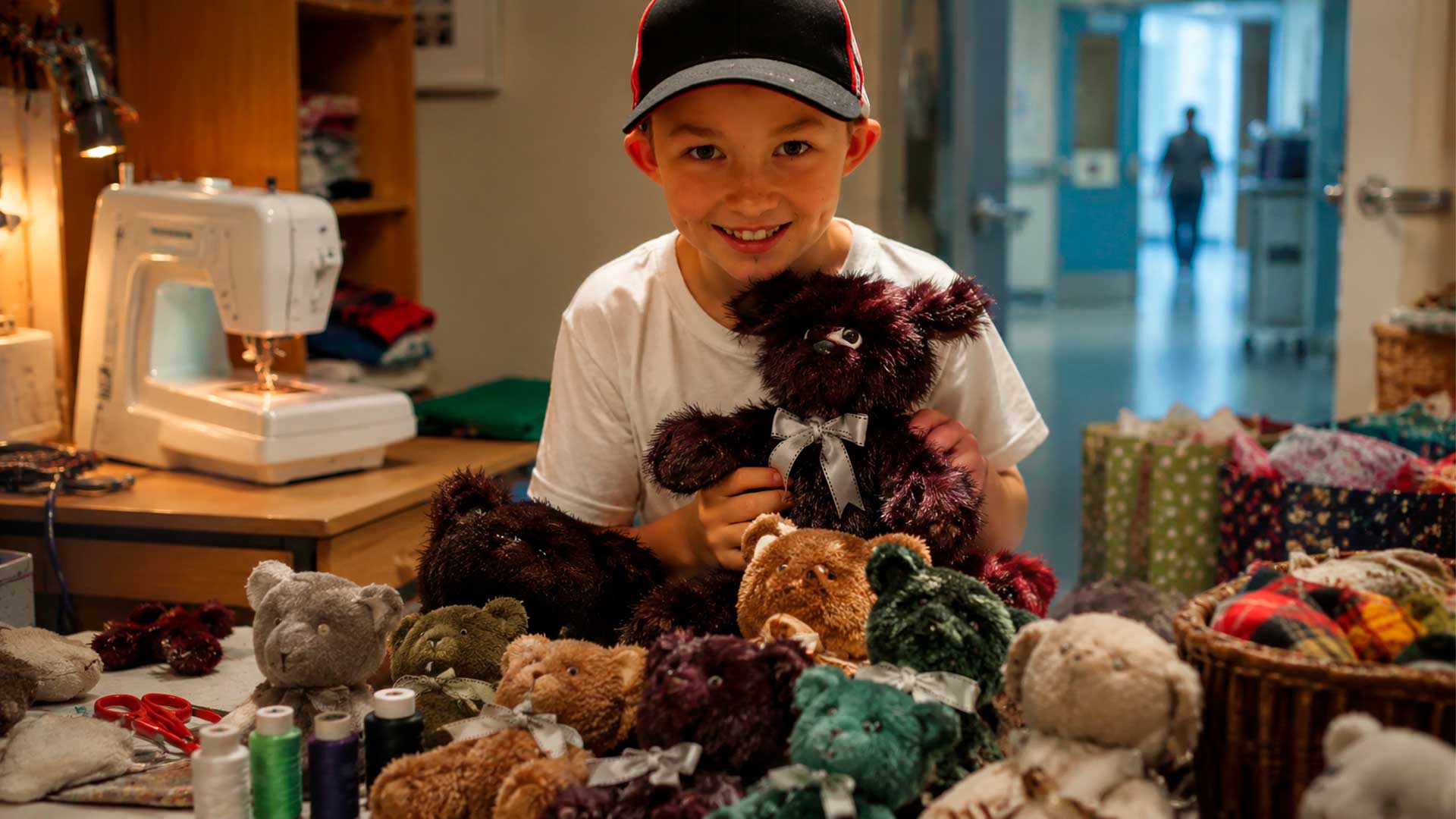

Campbell Remess wanted to bring gifts to sick children in a hospital in Tasmania, but the idea seemed too big for the family. The answer came from within the room, with a sewing machine, fabric, stuffing, and the goal of making one gift a day for a year.
Campbell Remess was 9 years old when he turned a simple wish into a 365-day commitment. A resident of Tasmania, Australia, he wanted to give Christmas presents to children hospitalized in a local hospital, but was told at home that buying everything would be too expensive.
The boy’s response was not to give up. He decided to learn to sew and make one gift a day, until he reached 365 toys to deliver the following Christmas.
The initiative became the Project 365, an action that started at home and gained international attention.
-
Restaurants Combat Frying Odors Before Cooking Begins: Here’s Why This Routine Matters

-
8-Year-Old Girl in Brazil Creates Care Kits for Over 5,000 Homeless People After Learning to Sew with Her Grandmother

-
A Simple Bar of Soap Could Be the Key to Effortlessly Cleaning Stubborn Oven Grease
-
Brazilian Woman Turns 1.3 Tons of Waste into Over 4,000 Sustainable Bags and Accessories


According to the official Project 365 website, Campbell took on the challenge after being informed that it would be expensive to buy gifts for sick children. The goal was to produce 365 items over a year and bring them to hospitalized children the following Christmas.
The Christmas question that left the hospital and ended up at home


The story began after a family experience on Christmas Eve 2013. According to SuperKind, a platform that gathers stories of young people involved in social actions, Campbell’s mother, who worked as a florist, came home with unsold flowers.
The boy wanted to distribute the bouquets to people on the street. Later, still bothered, he asked why they hadn’t brought gifts to hospitalized children. The mother explained that the family already had nine children and buying gifts for more children wouldn’t fit the budget.
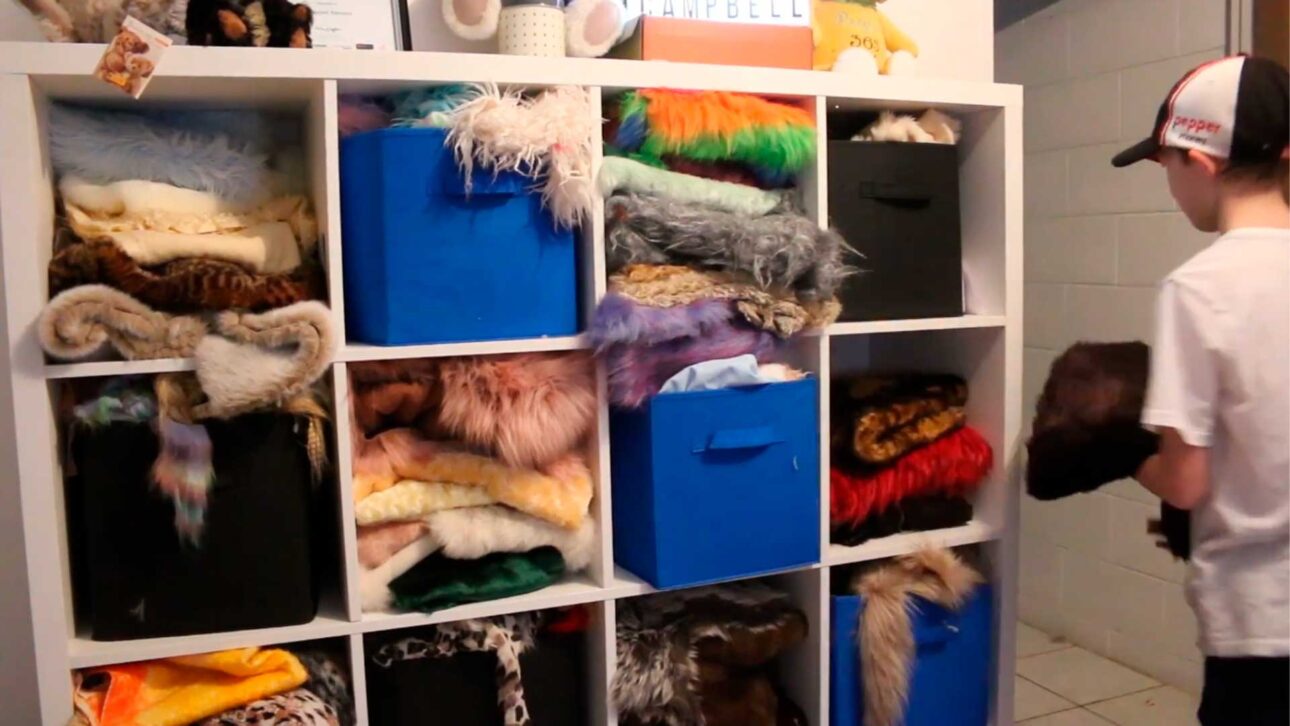
Campbell’s response was practical. If they couldn’t buy, he would make the presents. From then on, a 9-year-old boy’s room began to transform into a small sewing workshop, with fabric, thread, stuffing, and improvised patterns.
The first teddy bear took hours and showed that the idea wouldn’t be simple
Project 365 By Campbell ltd / YouTube
Learning to sew was not immediate. Campbell started on his own, using his mother’s sewing machine and testing shapes until he managed to produce the first toys.
As reported by ABC News in May 2016, when Campbell was 12 years old, he was already spending much of his free time sewing teddy bears for charity. The report also noted that his mother, Sonya Whittaker, said her son learned to make the toys on his own.
The first models did not have a perfect finish. Some came out crooked, with irregular stitching and a simple appearance. Even so, the central idea was there: to make comfort bears for children and families in moments of fear, hospitalization, and treatment.
With practice, production time decreased. What once took hours began to be done more confidently. The action ceased to be just a Christmas promise and became part of the boy’s routine.
Project 365 grew when the toys started to leave Tasmania
The project gained a name and identity. Campbell became known as “Bumble” and the teddy bears began to be sent to different situations of suffering, not just local hospitals.
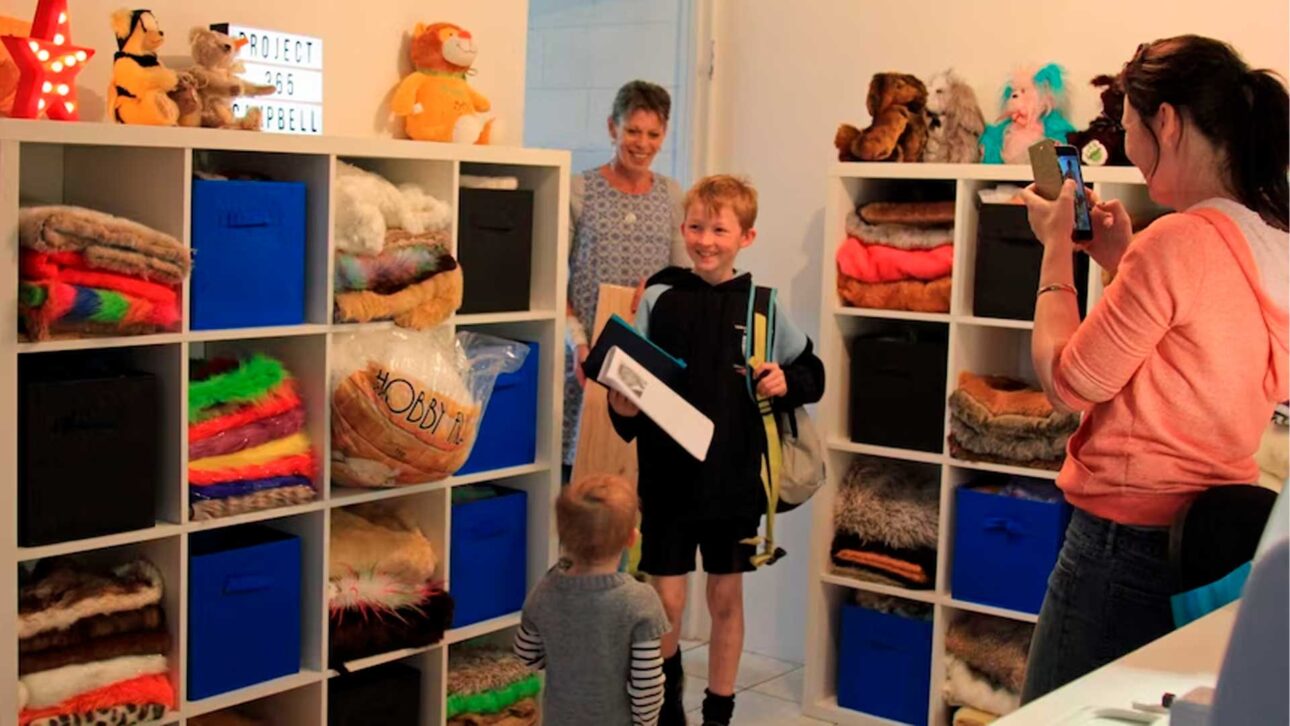
SuperKind reports that he also started to raffle and auction some toys to raise money for cancer-related institutions. The same source states that Project 365 reached 3,100 teddy bears produced and delivered, a number that shows how the initial goal of 365 gifts turned into a continuous action.
The impact also extended beyond the family circle. In 2017, Campbell was included in the “Young Wonders” special by CNN Heroes, which highlighted young people involved in social projects. The CNN Press Room presented the Australian as a 13-year-old boy who created and delivered personalized teddy bears to children facing illnesses around the world.
This recognition helped spread the story, but the strongest point remained the same as at the beginning: a child decided to solve a problem with what he had at home.
More than toys, teddy bears became companions during difficult treatments
The value of teddy bears was not just in the object. For hospitalized children, a handmade toy can serve as a companion in an environment marked by exams, medications, waits, and uncertainties.
Campbell also started producing models with different symbolic functions. In old interviews, he mentioned comfort toys, teddy bears for people in hospitals, and pieces sent to victims of attacks or traumatic situations outside of Australia.
The strength of the story comes precisely from this human scale. There was no large structure at the beginning, no advertising campaign, no professional team. There was a boy, a sewing machine, and the decision to repeat the same task every day.
Over time, Project 365 showed that a small action can grow when it has regularity. One teddy bear a day seems little when seen in isolation, but it becomes 365 at the end of a year.
And you, do you think initiatives like this should be more encouraged in schools and at home?
Leave your comment telling if you have seen any simple project, made by a child or teenager, that ended up helping a lot of people.