






 Portuguese
  Spanish


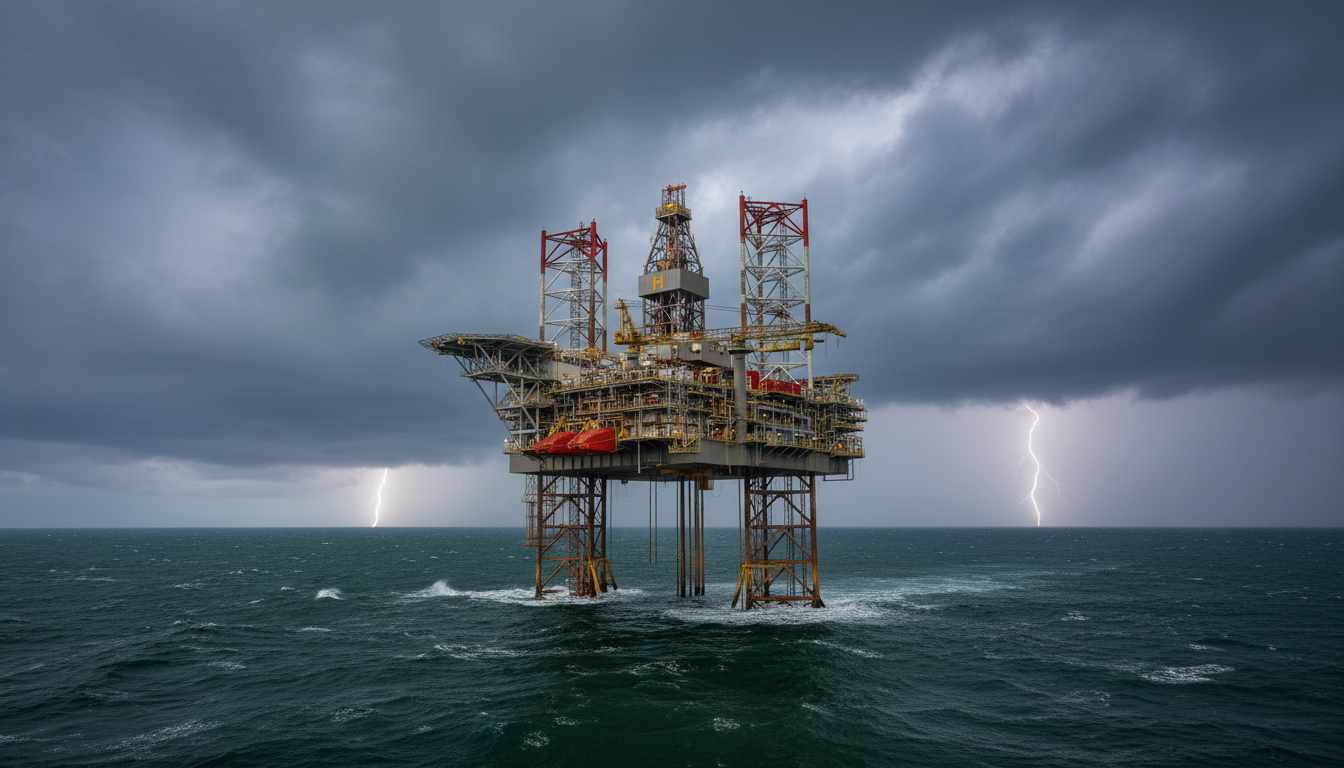

The Bureau of Ocean Energy Management (BOEM) approved on March 16, 2026, the development plan for BP’s Kaskida project in the Gulf of Mexico, with an investment of US$5 billion. It is BP’s first new oil field in the Gulf since the Deepwater Horizon disaster in 2010.
According to the Journal of Petroleum Technology, Kaskida was discovered in 2006 and remained undeveloped for 20 years due to a lack of technology capable of operating in the extreme high-pressure, high-temperature (HPHT) conditions of the Paleogene formation.
The field holds approximately 3 billion recoverable barrels, part of a total of 10 billion in BP’s Paleogene frontier in the Gulf. In parallel, the first phase of production, scheduled for 2029, will deliver 80,000 barrels per day, with a total capex of US$5 billion.
-
METTL3 Protein Found to Play Crucial Role in Breast Cancer Metastasis, Surprising Scientists

-
Brazil’s Gaming Market Reaches $2.5 Billion, But Country Plays More Than It Produces

-
35-Ton Giant Robot Revolutionizes Solar Farm Construction with AI-Driven Precision

-
Son’s Journey to Care for Mother with Alzheimer’s: Finding New Ways to Preserve Memories



The figures for BP’s Kaskida project, according to BOEM, BP, and Offshore Technology, tell the story in five points:
- 3 billion barrels estimated recoverable in Kaskida alone
- 10 billion boe cumulative in BP’s Paleogene frontier in the Gulf
- 20,000 psi the maximum operating pressure for HPHT equipment
- 6,000 feet of water (approximately 1,800 meters) at the operating depth
- US$5 billion total investment in the first phase of the project

What made BP’s Kaskida project impossible for 20 years
According to Wikipedia, the field was discovered in 2006 in Keathley Canyon Block 292, about 400 kilometers southwest of New Orleans. In parallel, it has been inaccessible since then for purely technical reasons.
The reservoir lies beneath a thick salt layer, with an estimated pressure of 20,000 psi and temperatures above 200 degrees Celsius. Therefore, any drilled well needed to withstand unprecedented conditions for the global offshore industry.
The solution was developed over a decade. According to BP, the consortium led by the company invested in research into new materials, valves, blowout preventers (BOPs), and subsea trees capable of operating at 20,000 psi.
The first project to use 20K psi equipment was Chevron’s Anchor, which began operation in 2024 with 75,000 bbl/day. In parallel, BP’s Kaskida is the world’s second commercial 20K psi project, validating the industrial viability of this technology.
In parallel, the approval came during the Trump administration, known for its focus on domestic energy security. According to analysts, this regulatory context accelerated its passage through BOEM bureaucracy.

How the Paleogene frontier of the Gulf works
The Paleogene (also called Lower Tertiary or Wilcox) is a geological sequence formed about 60 million years ago. According to Offshore Technology, it lies beneath salt and carbonate layers in ultra-deep waters of the Gulf of Mexico.
In parallel, BP has discovered several fields in this frontier: Tiber (estimated 10 billion boe), Kaskida (3 billion boe), and other prospects under evaluation. Therefore, the company refers to “10 billion barrels discovered” as a cumulative total.
According to technical reports, the Wilcox sequence features highly porous sandstones but with low permeability. Therefore, it requires hydraulic fracturing or chemical stimulation to release oil in commercial volumes.
The geological complexity explains the high investment. In parallel, BP estimates a breakeven of US$40-50 per barrel, according to a presentation to investors.
According to Pulse2, the goal is to gradually unlock the 10 billion boe over the next two decades. After Kaskida (2029), BP plans to develop Tiber in 2030.

Why the approval generates environmental controversy
Environmental groups sued BP and BOEM. According to Earthjustice, the project lacks legally required information about BP’s qualifications to operate in extreme HPHT conditions.
The main argument is historical. BP was the operator of the Macondo Prospect, site of the 2010 Deepwater Horizon disaster, which killed 11 workers and spilled 4.9 million barrels into the Gulf.


