






 Portuguese
  Spanish
  3 min of reading
  0 comments


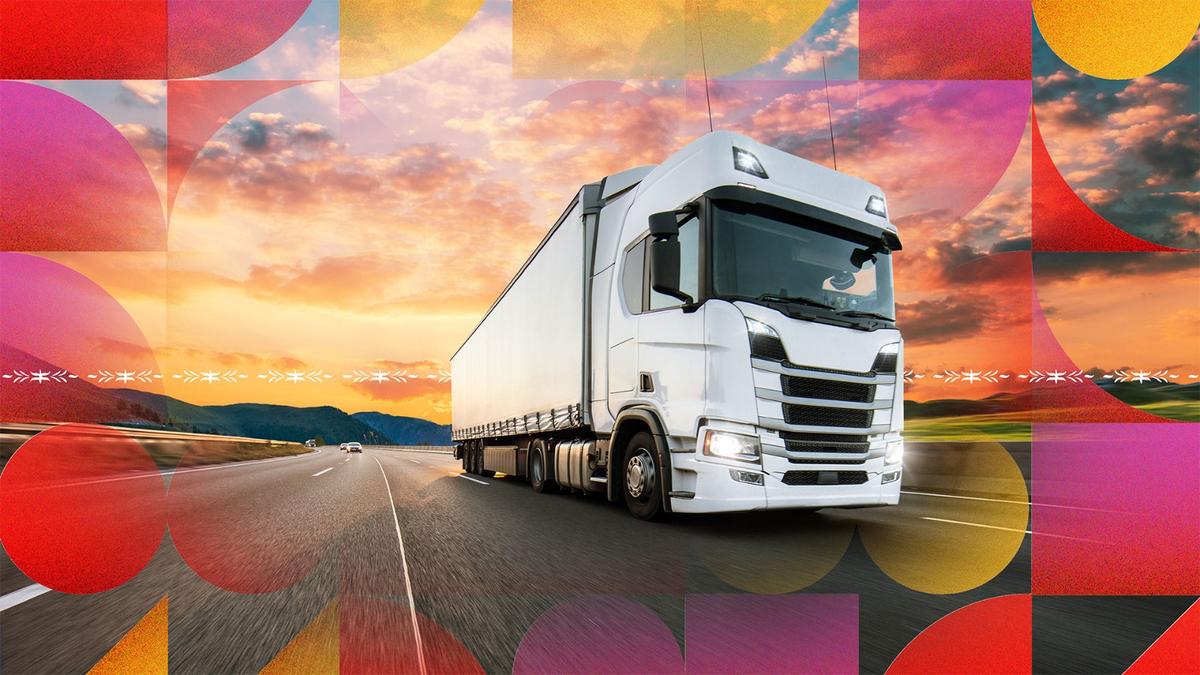
With 87% Renewable Energy and a Solid Automotive Industry, the Country Seeks to Turn Climate Commitments into Concrete Actions Before the UN Conference
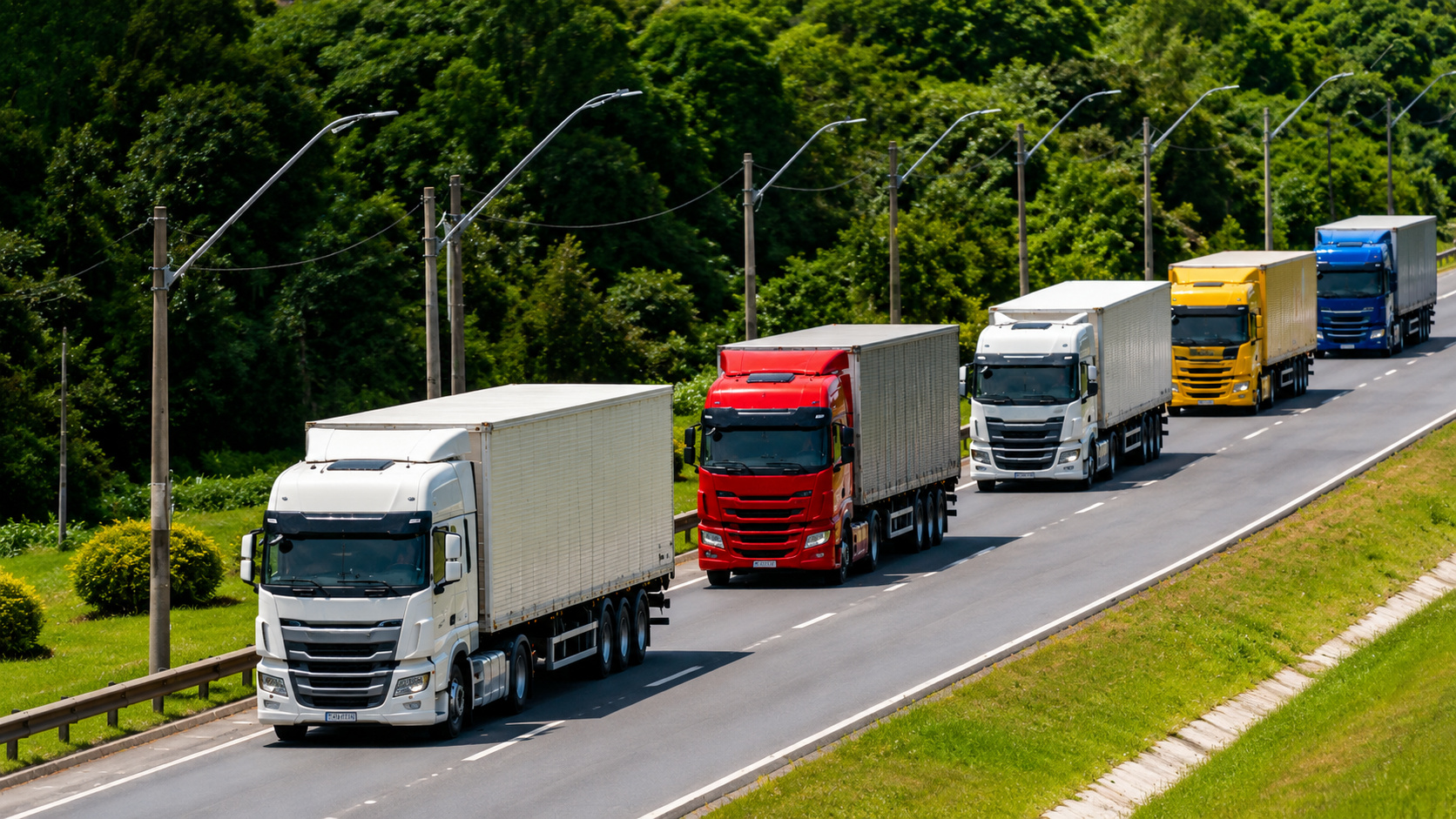
On the eve of the COP30, set for November 2025 in Belém (PA), Brazil stands out in the global debate on sustainability and clean transportation. With an 87% renewable energy matrix, the country has unique conditions to lead the electrification of freight trucks and turn climate commitments into concrete results. According to the Instituto Ar (2019), the national fleet of 2 million trucks accounted for 76% of fossil diesel consumed and 40% of greenhouse gas emissions from transportation.
Electric Giants and Brazilian Potential
Brazil is the 7th largest truck producer in the world and transports 65% of national cargo by road, highlighting the urgency of electrification. The International Campaign Electric Giants, launched in the country in 2024, acts as a hub of information and actions aimed at decarbonizing freight transportation. The movement is supported by the Amazon Working Group (Rede GTA), Abravei, Global Strategic Communications Committee (GSCC), and The Sunrise Project, strengthening cooperation among manufacturers, civil society, and government.
According to Clemente Gauer, director of the Brazilian Electric Vehicle Association (ABVE), “stimulating manufacturers in fleet electrification ensures economic viability and global competitiveness”. He emphasizes that with domestic production of trucks and batteries, companies based in Brazil can meet national demand and export throughout Latin America, consolidating the country as an industrial reference.
-
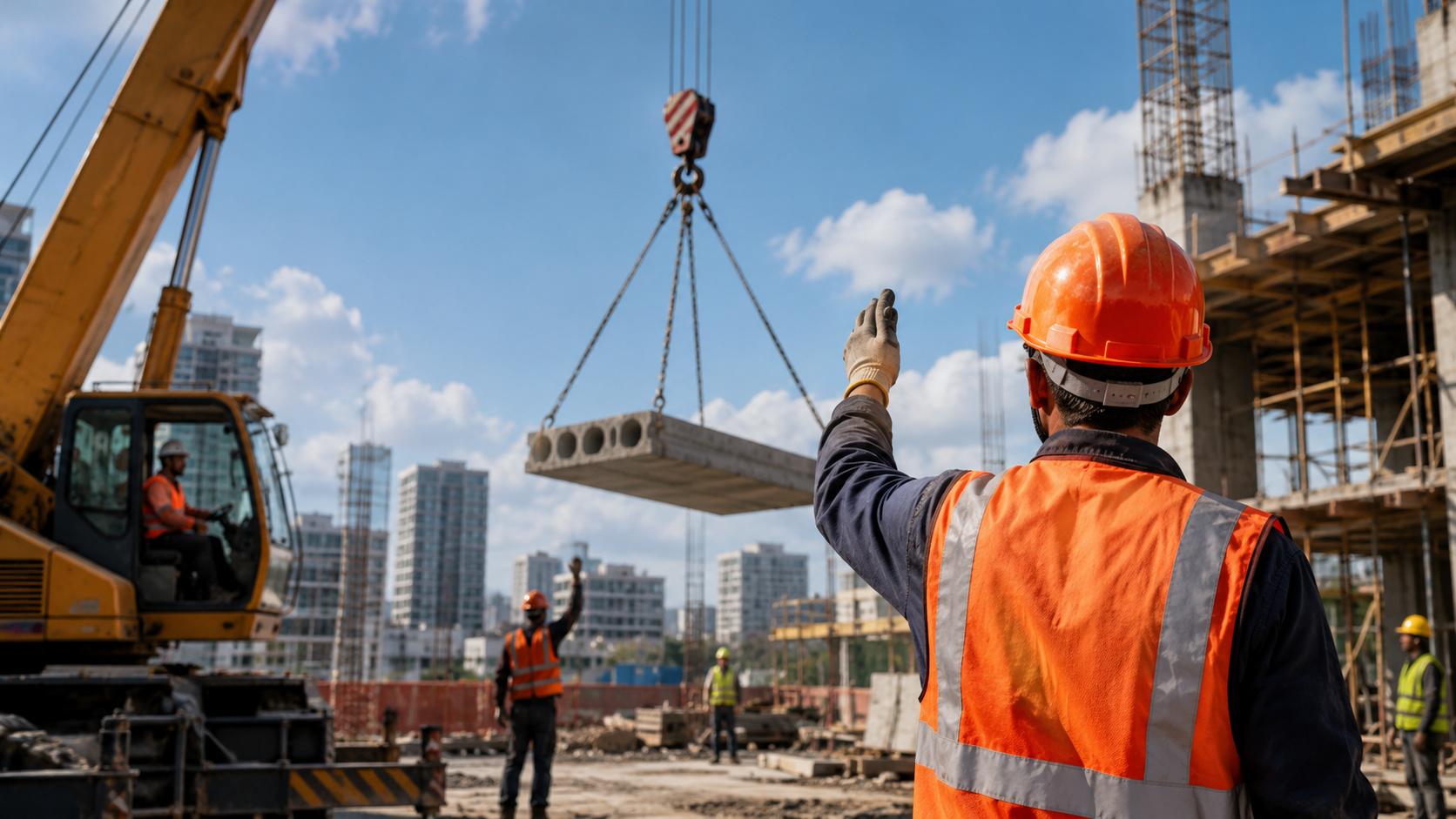
Why can the crane operator only obey the correct signalman on the construction site: among dozens of workers, a hand raised by the wrong person can confuse the maneuver and turn a load of tons into an immediate risk.

-
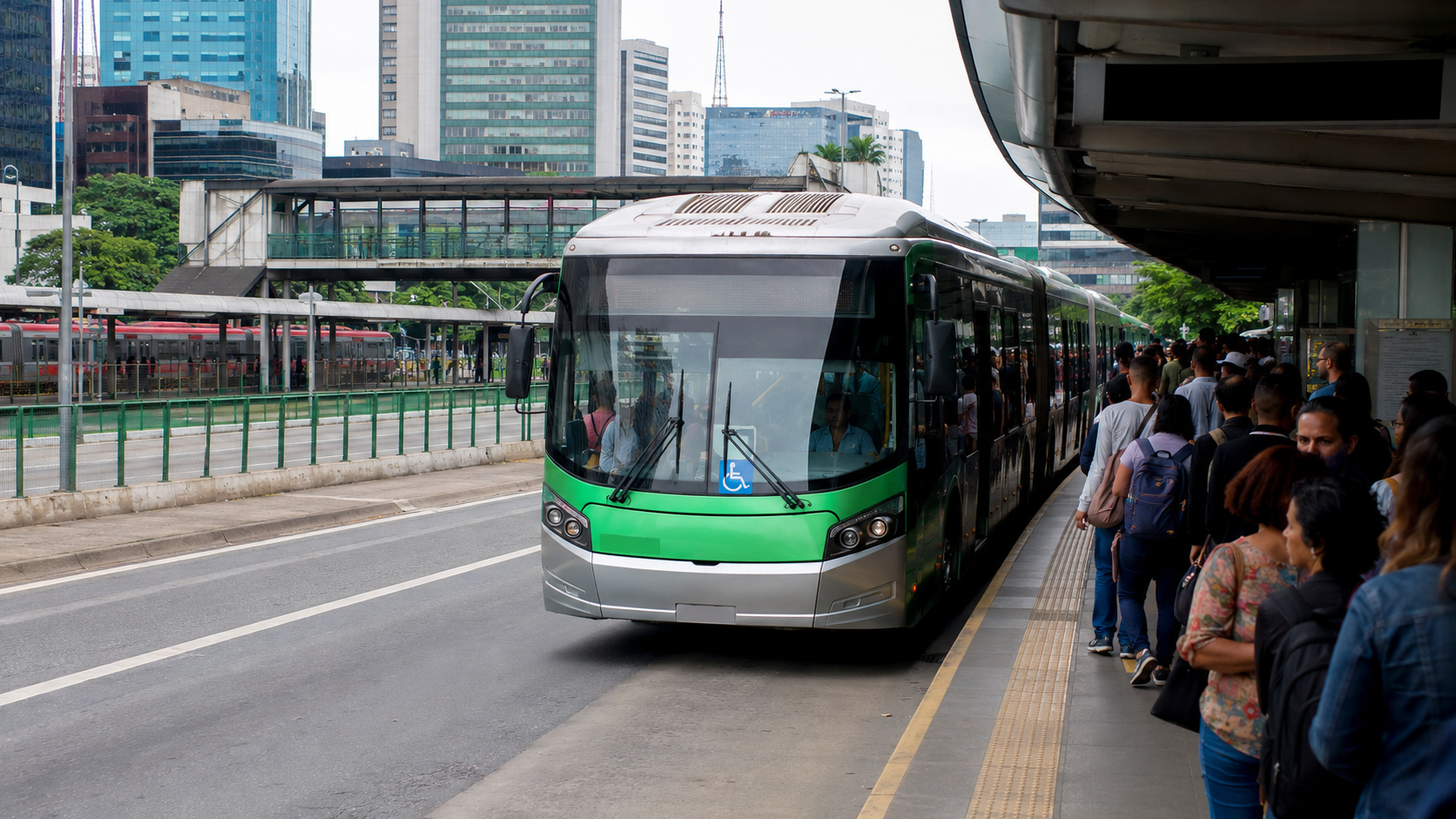
What changes with the new public transportation rules that can reduce pressure on fares and pave the way for zero fare in Brazil?
-
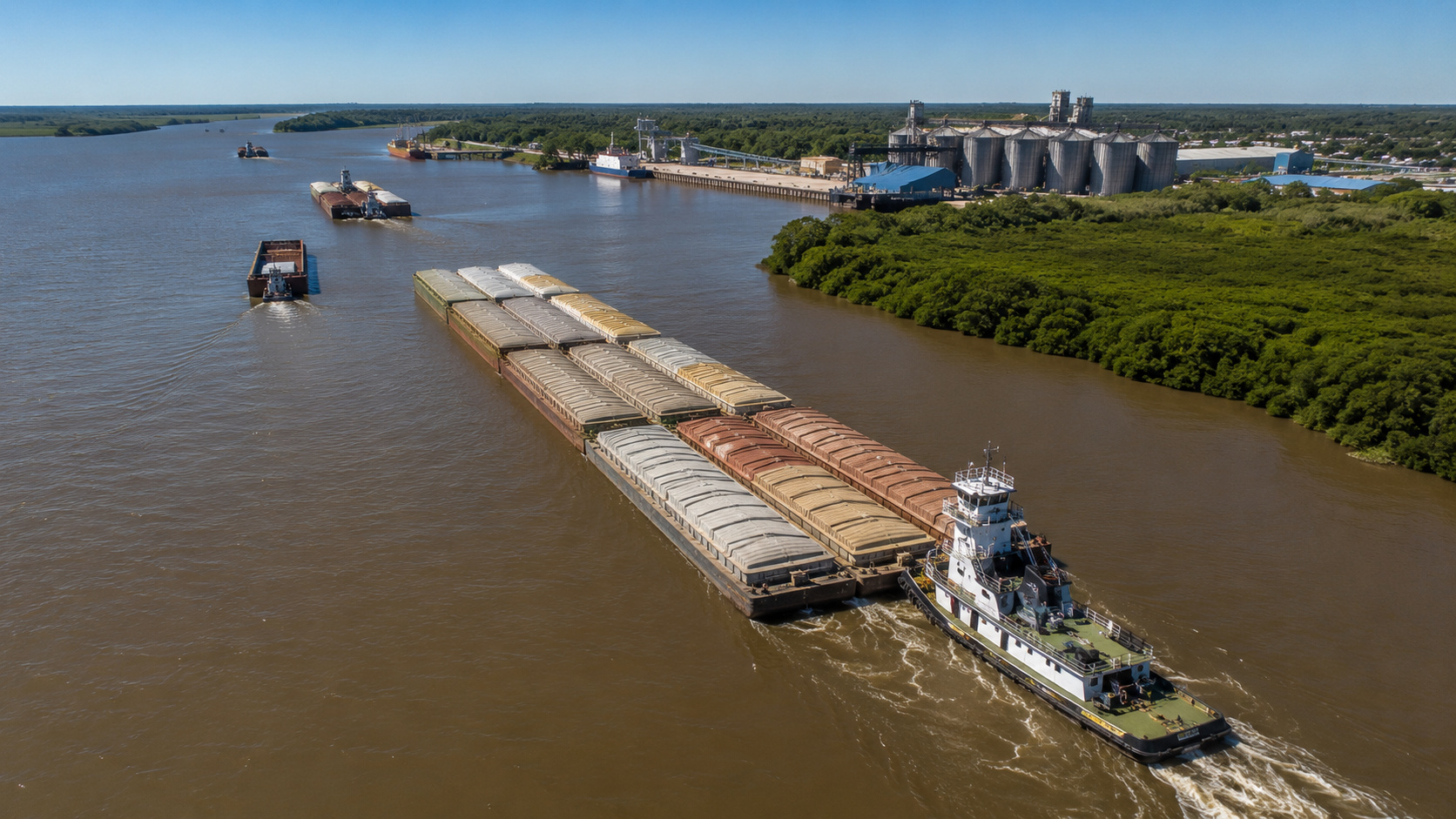
Argentina confirms Belgian giant to lead strategic Paraná River waterway and promises to reduce logistical costs on one of South America’s most important routes
-
MBRF surprises the logistics sector by demonstrating how Artificial Intelligence can directly influence deliveries throughout Brazil by reorganizing distribution routes in seconds, optimizing fleet usage, reducing logistics costs, and speeding up product arrivals even in the face of unforeseen road incidents.
Jobs and Economic Transition
The electrification of freight transportation represents a significant economic and social opportunity. The International Council on Clean Transportation (ICCT) estimates that jobs in the sector could more than double by 2050, covering everything from truck and battery manufacturing to logistics and finance. In addition, new factories from Scania, Volkswagen, and BYD are expected to generate thousands of jobs in São Bernardo do Campo and Campinas, positively impacting the entire production chain.
Exporting companies of soy, meat, and coffee already demand decarbonized logistic chains, which drives the adoption of electric trucks as a competitive requirement. This reinforces Brazil’s strategic role in sustainable exports and the global green economy.
Health and Environmental Impact
The Centre for Research on Energy and Clean Air (CREA) found that the pollution caused by diesel trucks from the largest manufacturers in the world was responsible for thousands of deaths in Latin America. In Brazil, the Instituto Ar estimated that diseases associated with diesel pollution cost R$ 24.5 billion in hospitalizations between 2013 and 2023.
Therefore, the gradual replacement of diesel trucks with electric models could improve air quality, reduce public health expenditures, and strengthen the local economy, in addition to directly contributing to the COP30 goals.
The Time is Now
According to Diogo Seixas, president of Abravei, “the technology is already ready, and the time is now”. He emphasizes that manufacturers must lead this transformation by adopting new sustainable standards and investing in innovation. With this, Brazil can create skilled jobs, attract investments, and consolidate itself as a power in sustainable transportation.
With Electric Giants leading this mobilization, the country begins a silent but decisive race towards a clean and competitive future. After all, the future is in our hands to be unlocked.





Be the first to react!