Portuguese
  Spanish


National Pork Producers Council of the United States Claims Brazil Maintains Unjustified Restrictions on the Import of Pork and Requests That the American Government Take Measures to Force Market Opening.
According to the portal Exame, the National Pork Producers Council (NPPC), an entity that represents around 60 thousand pork producers in the United States, has asked the American government to pressure Brazil to remove the barriers that prevent the entry of bacon, sausage, and other pork products into the national market. The matter was the subject of a public hearing held this Wednesday, the 3rd, by the Office of the U.S. Trade Representative (USTR).
According to NPPC’s Vice President of Government Affairs, Maria Zieba, Brazil maintains an informal blockade. “Unfortunately, Brazil has a ‘de facto’ ban on U.S. pork that prevents any access for reasons without any scientific justification”, stated Zieba in a letter sent to the agency responsible for the investigation.
The entity claims that the Brazilian government does not recognize the sanitary inspections conducted in the United States, requiring additional standards that, in practice, act as non-tariff trade barriers. Therefore, American producers argue that the restriction is an unjustified barrier to international trade.
-
Rare Tropical Fruit Canistel, with Egg Yolk Color and Caramel Flavor, Gains Interest from Researchers and Small Producers in Brazil

-
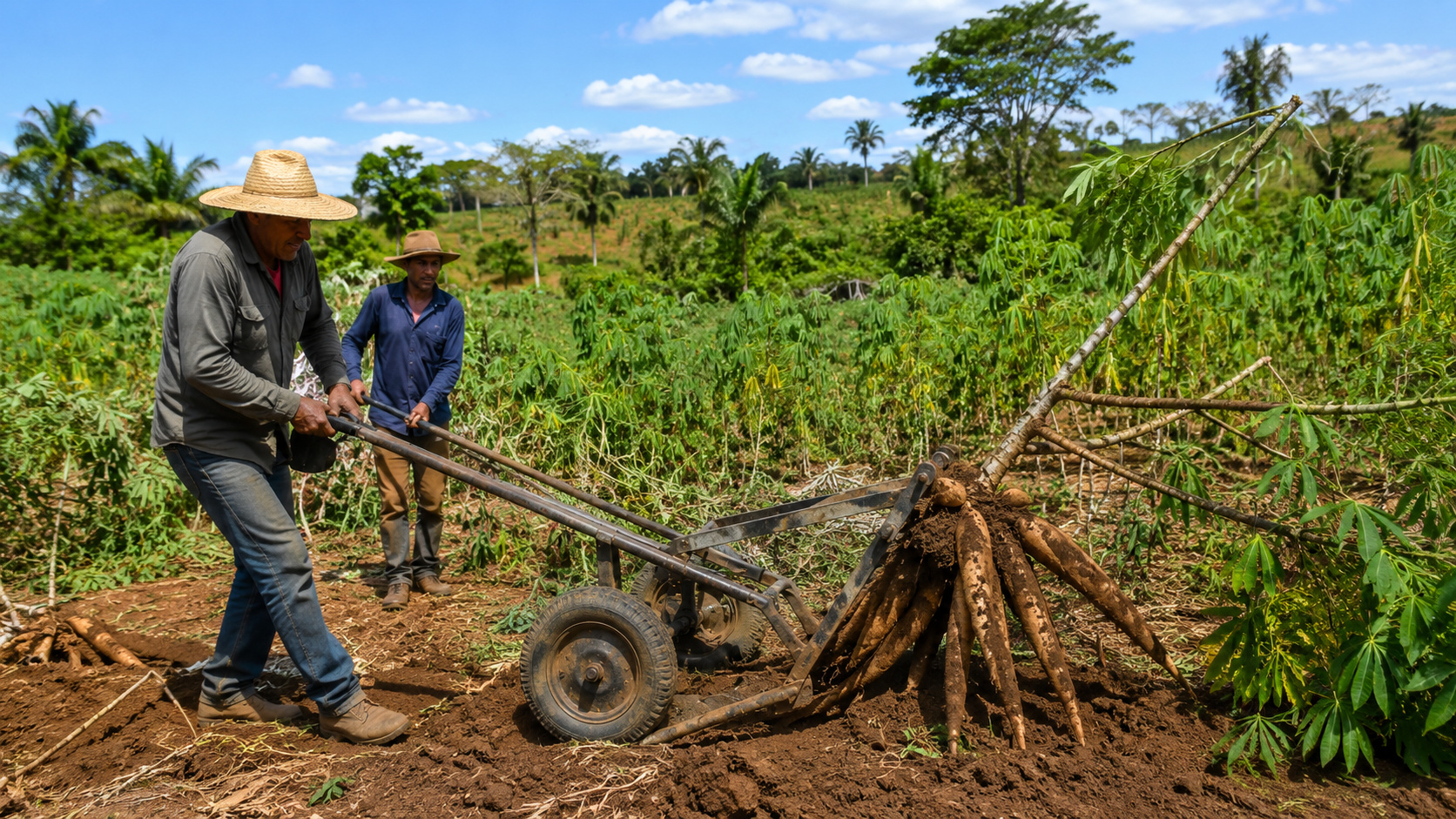
Brazilian Farmers Develop Wheeled Metal Lever to Ease Cassava Harvesting Without Heavy Machinery
-
Study of Brazil’s Tietê River Finds 25 Pesticides in Water, Including Cancer-Linked Substance Near Source
-
Young Entrepreneur Expands from 50 to 1,400 Chickens, Proving “Happy Hens” Can Be a Viable Business


Pressure for Market Opening
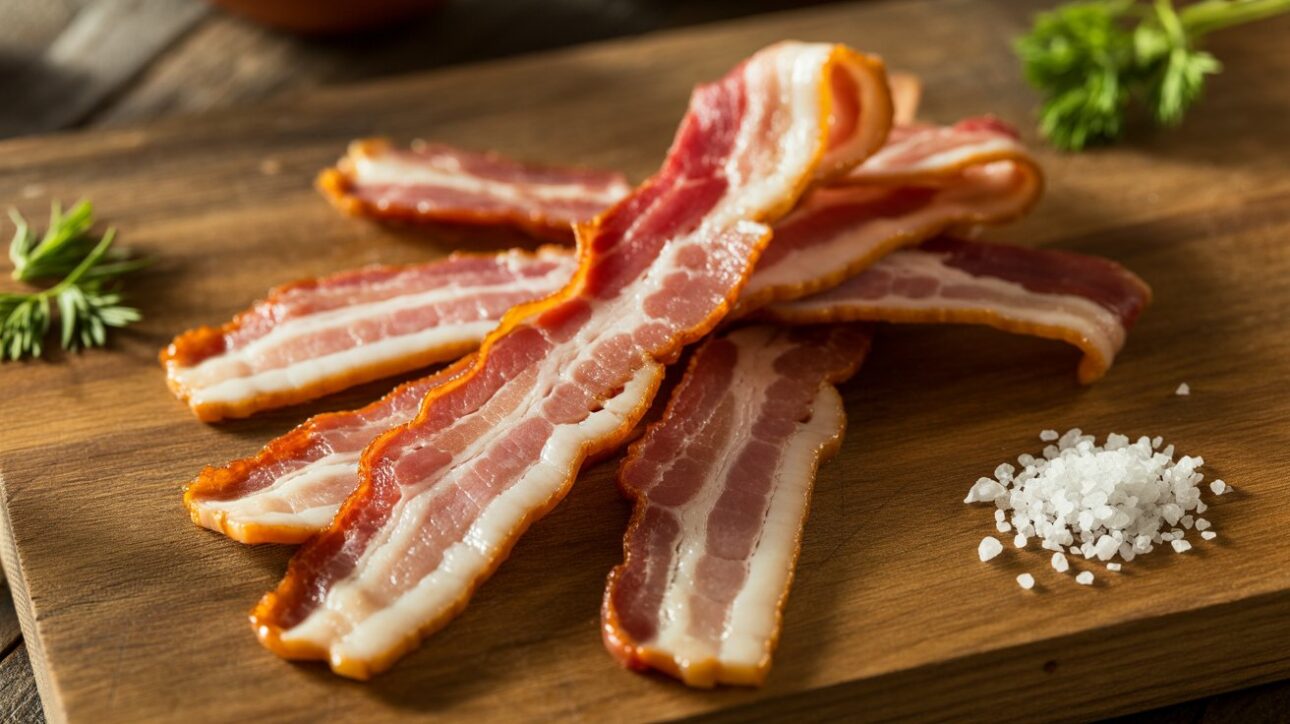
The NPPC asked the USTR to eliminate the “unfounded” barriers to allow American pork, whether fresh, frozen, or processed, to reach the Brazilian market. The request comes in the context of an investigation opened in July at the request of then-President Donald Trump, based on Section 301 of the U.S. Trade Act.
This legal provision allows the American government to take unilateral action against countries that impose trade barriers deemed illegitimate. The investigation may take months, but in the end, the United States may impose additional sanctions or condition the removal of measures on access to American products in the Brazilian market.
Currently, Brazil already faces a 50% tariff on certain products exported to the U.S., implemented in August. If the accusations are confirmed, new punishments may be applied.
Complaint of Lack of Reciprocity
The Pork Producers Council argues that there is an imbalance in the trade relationship, as Brazil has been authorized to export pork to the United States since 2016. During this period, Brazilian shipments grew from US$ 5.2 million in 2014 to US$ 104 million in 2024, a jump of 1,900%.
On the other hand, Americans are unable to sell similar products to Brazil, even with growing demand in the global market. For the NPPC, this disparity characterizes a lack of reciprocity in bilateral trade.
Brazil is the fourth largest pork producer in the world and is expected to reach 5.4 million tons in 2025, according to data from the Brazilian Association of Animal Protein (ABPA).
Brazilian Imports and American Exports
Despite strong domestic production, Brazil imports relatively little. In 2024, there were US$ 76 million in pork products purchased from abroad, mainly from China, the Netherlands, Italy, and Germany.
The United States exported US$ 8.64 billion in pork in the same year. The main destinations were Mexico (US$ 2.58 billion), Japan (US$ 1.38 billion), and China (US$ 1.1 billion), according to data from the U.S. Department of Agriculture (USDA).
As a result, American producers see Brazil as a strategically closed market but with great consumption potential.
Hearing Gathers Diverse Sectors
The hearing convened by the USTR included participation from over 40 entities from both countries. On the Brazilian side, companies like Embraer, Portobello America, and Weg participated, along with representatives from the National Confederation of Industry (CNI), the Brazil-U.S. Chamber of Commerce (Amcham), and the Federation of Industries of the State of São Paulo (Fiesp).
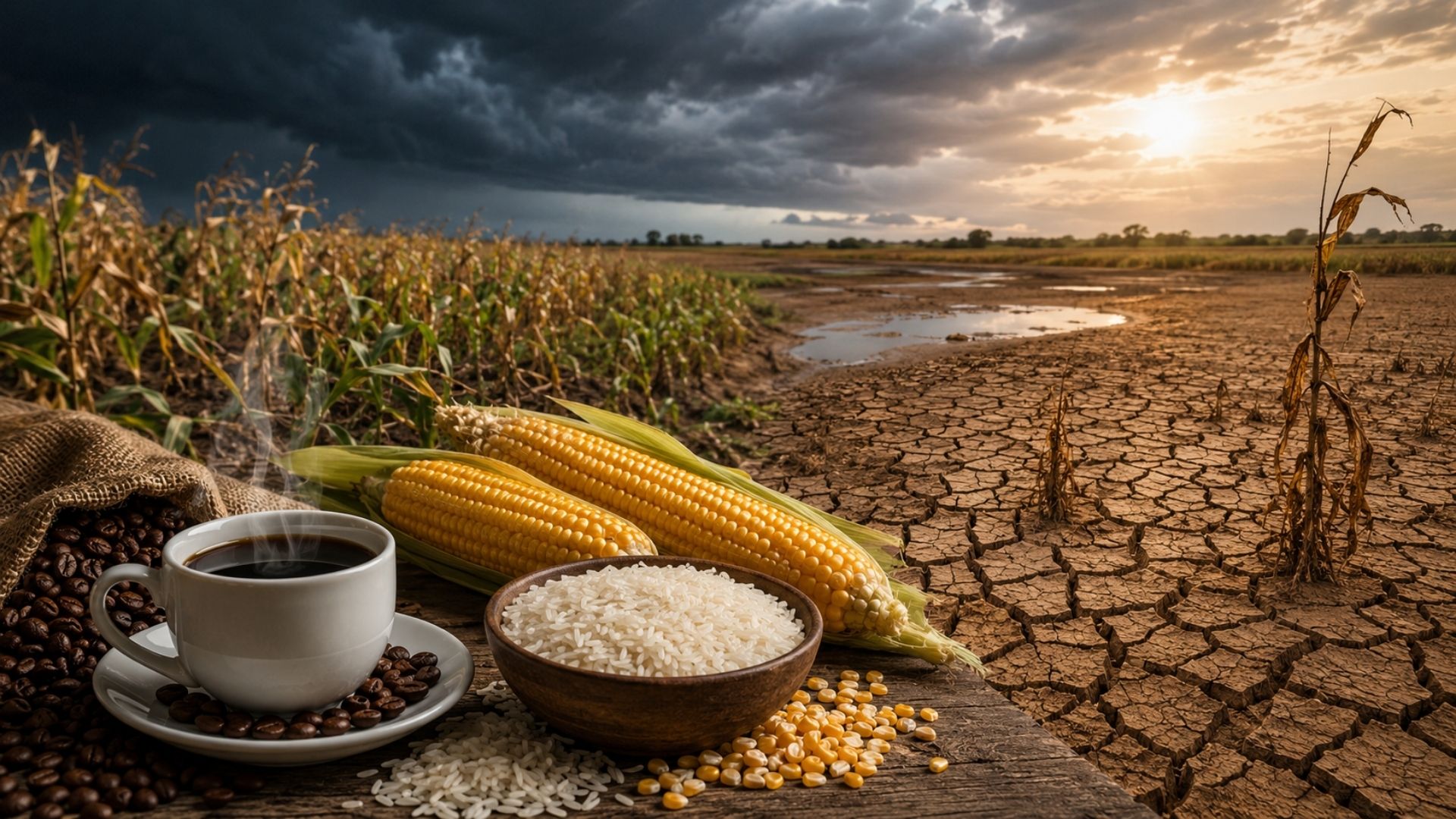
There were also sector-specific associations linked to coffee, sugarcane, corn ethanol, fish, and timber. Part of them positioned themselves in favor of Brazil, arguing that bilateral trade relations should be preserved.
Among the American entities that defended Brazilian interests were the National Coffee Association (NCA), the International Wood Products Association, and the U.S. Chamber of Commerce, which warned about the negative impacts of new tariffs on products imported from Brazil.
Sectors Demand Punishments for Brazil
In contrast, several American entities joined the accusations against Brazil. In addition to the NPPC, the National Cattlemen’s Beef Association (beef), the National Corn Growers Association (corn), the U.S. Beet Sugar Association (beet sugar), the Renewable Fuels Association (renewable fuels), and the National Cotton Council of America (cotton) also participated.
These groups claim that Brazil benefits from lower production costs and a devalued currency, factors that allow it to maintain competitive exports even under additional tariffs. “The weaker Brazilian currency and lower production cost will allow Brazil to absorb the tariff and continue to export beef to the U.S. market relatively unscathed”, stated Kent Bacus, director of the American cattlemen’s association.
This information was published in international media specialized in foreign trade, such as the magazine Meat+Poultry, which highlighted the impacts of the investigation for both countries.
History of Section 301


The Section 301 has been used in other relevant trade disputes. In 2001, Ukraine faced sanctions for violating copyright rules. In 2018, China was subject to investigation for allegedly violating intellectual property rights, which resulted in additional tariffs and triggered the trade war between the two powers.
In Brazil’s case, the investigation could lead to new tariffs or even stricter restrictions if there is no agreement between the countries. Nevertheless, experts say there is room for negotiations before punitive measures are applied.
In light of this trade dispute, do you believe that Brazil should maintain its sanitary barriers to protect domestic production, or should it open the market to U.S. pork, risking increased internal competition while strengthening reciprocity in trade relations between the two countries?