Portuguese
  Spanish


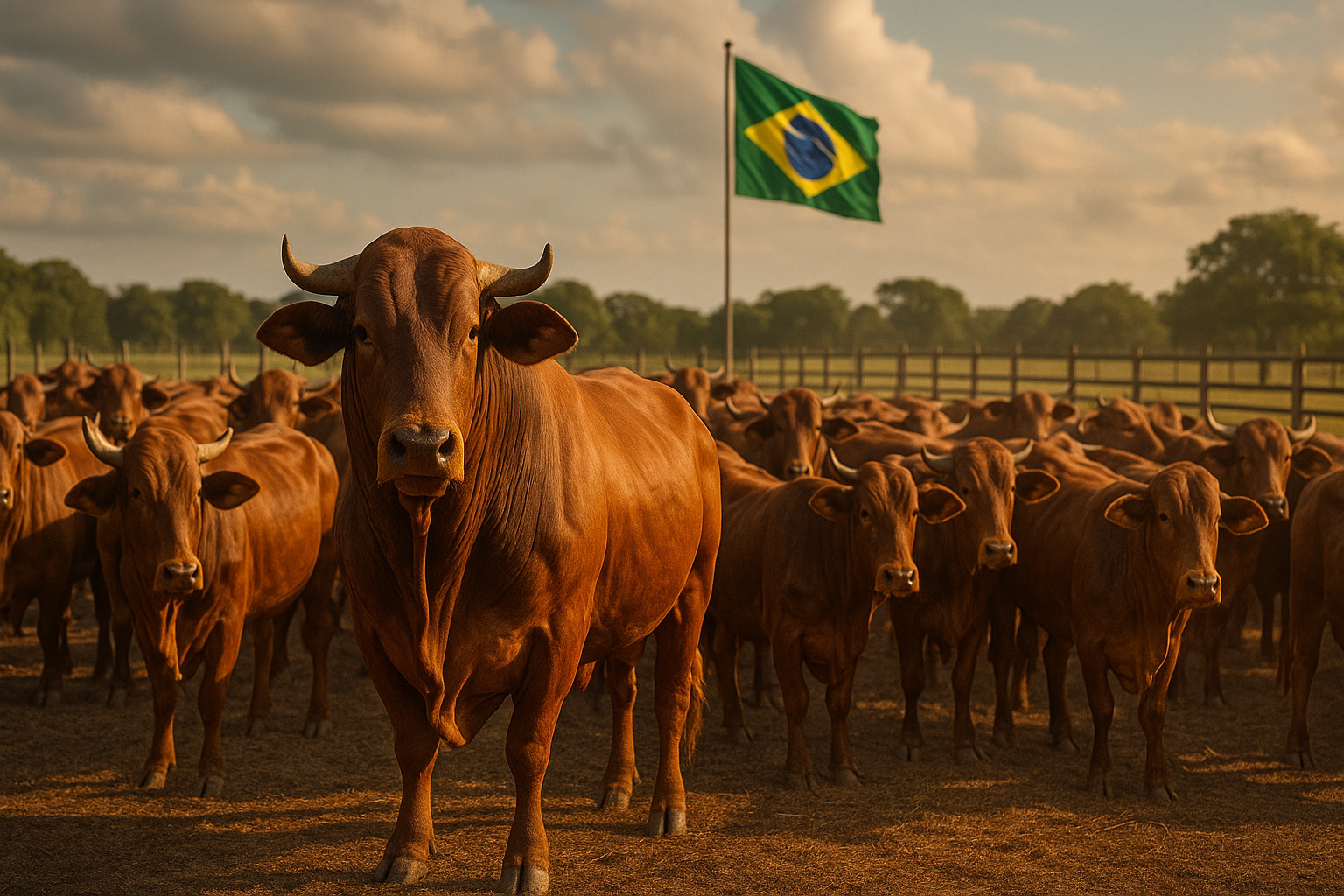


Brazil Moves Toward Record Livestock Exports in 2025, Strengthening Agriculture and Global Leadership.
Brazil Prepares for Historic Record in Livestock Exports in 2025
The Brazil is advancing toward an unprecedented record in livestock exports in 2025, driven by increasing international demand, especially from the Middle East, and the expansion of strategic logistics routes.
According to projections by Agrifatto, the country may ship up to 1.5 million head, consolidating the largest volume in history and further strengthening the Brazilian agribusiness.
The expectation reflects a positive scenario already observed in 2024 and reinforces Brazil’s position as a global leader in the supply of live animals. Moreover, the advancement occurs amid a resumption of purchases from important trading partners and the entry of new states into the export map.
-
Brazilian Agribusiness Sets Record with $169 Billion in Exports in 2025

-
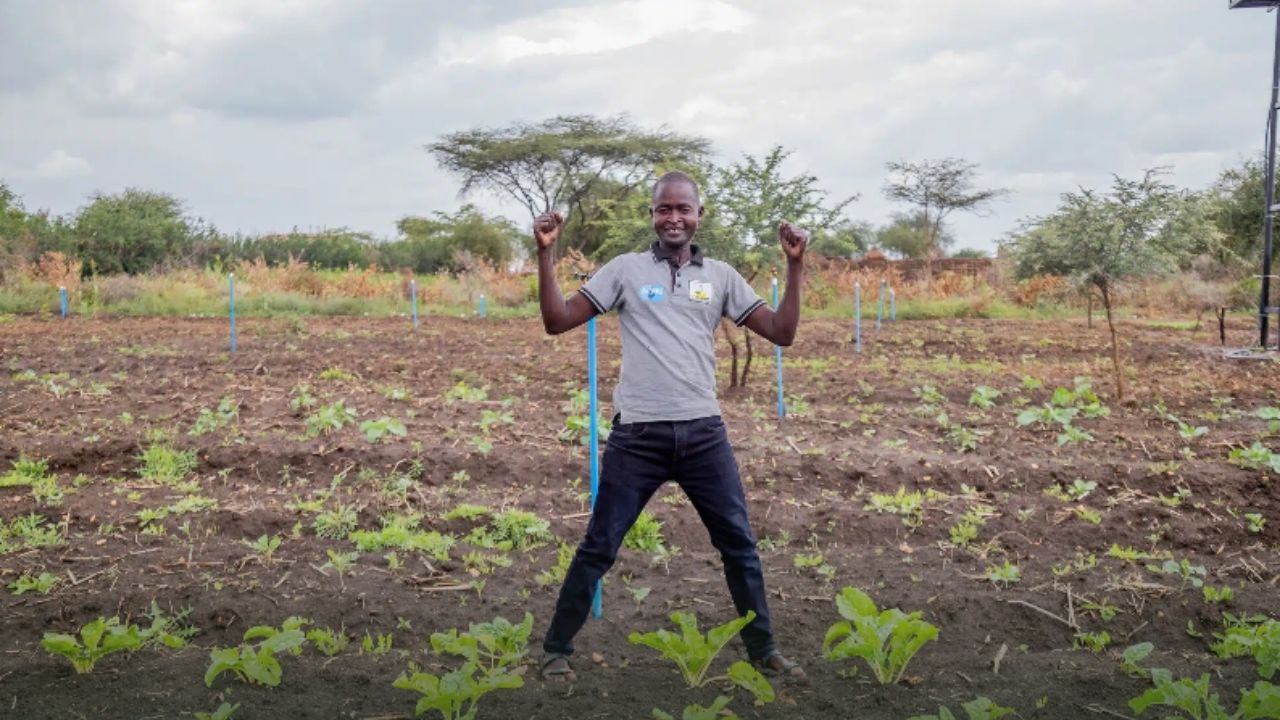
Solar-powered irrigation transforms agriculture, boosts family income, and enhances food security in Uganda.

-
Brazil Supplies 70% of the World’s Orange Juice, Prices Double Due to Pest Outbreak

-
Brazilian Scientists Develop World’s First Tropical Wheat for Biscuit Production, Yielding Up to 150 Bags per Hectare and Highly Resistant to Common Crop Disease




Livestock Exports Advance with Demand from the Middle East
The export of live cattle has gained momentum with strong demand from countries in the Middle East and North Africa. Turkey, Iraq, Egypt, Lebanon, and Morocco account for nearly 80% of purchases, consolidating this bloc as an essential destination for Brazilian livestock.
According to data from Agrifatto, in September 2025, 137,170 head were shipped, generating US$ 147.93 million at an average of US$ 76.32 per arroba.
“Brazilian cattle is currently the cheapest in the world, which sustains high competitiveness and growth in exports,” said Lygia Pimentel, CEO of Agrifatto.
Thus, the attractiveness of Brazilian prices, combined with the volume and genetic quality of the herd, boosts negotiations and enhances national prominence in the sector.
First Half Confirms Upward Trend
Meanwhile, the results from early 2025 reinforced the accelerated pace. In the first half, 487,600 live cattle were exported, an increase of 47.1% compared to 2024.
According to Scot Consultoria, the country could again surpass 1 million head exported as early as 2025, provided the performance is maintained until December.
Thus, the sector consolidates a sustained growth movement, supported by expanded logistics and price competitiveness.
New Routes Reinforce Expansion: RN and RJ Enter the Competition
In addition to traditional hubs like Pará (59.59%), Rio Grande do Sul (22.38%), and São Paulo (5.08%), new states are gaining prominence. Rio Grande do Norte plans to conduct its first shipment from the Port of Natal later this year, with 3,500 head.
The Secretary of Agriculture, Guilherme Saldanha, emphasized the unprecedented structure:
“The state now has an authorized port, a Pre-Shipping Station, and an operational slaughterhouse.”
The strategic location reduces the travel time to the Middle East to 11 to 13 days, compared to up to 21 days from ports in the South and Southeast. Additionally, Rio de Janeiro is also considering exporting via the Port of Açu, expanding the national logistics circuit.
Export Profile and Impact on Brazilian Agribusiness
Buying markets prioritize young and light animals. In July 2025, for example, Turkey purchased 21,900 head weighing less than 300 kg, all from Rio Grande do Sul.
However, livestock exports represent only 3.15% of national slaughter, potentially increasing to 3.59% in 2025 — still a niche, but continuously expanding in the agribusiness.
Producer Cláudio Escóssia, a pioneer in RN, emphasizes:
“This movement is expected to trigger a transformative effect on the profile of local livestock farming.”
The demand for animals with superior genetics, efficient management, and specialized nutrition is already stimulating investments and warming regional productive chains.
Conclusion
With high demand, unprecedented routes, and competitive prices, Brazil is set to achieve a historic record in livestock exports in 2025, consolidating its position as a global powerhouse in agribusiness and expanding its influence in international markets.