






 Portuguese
  Spanish


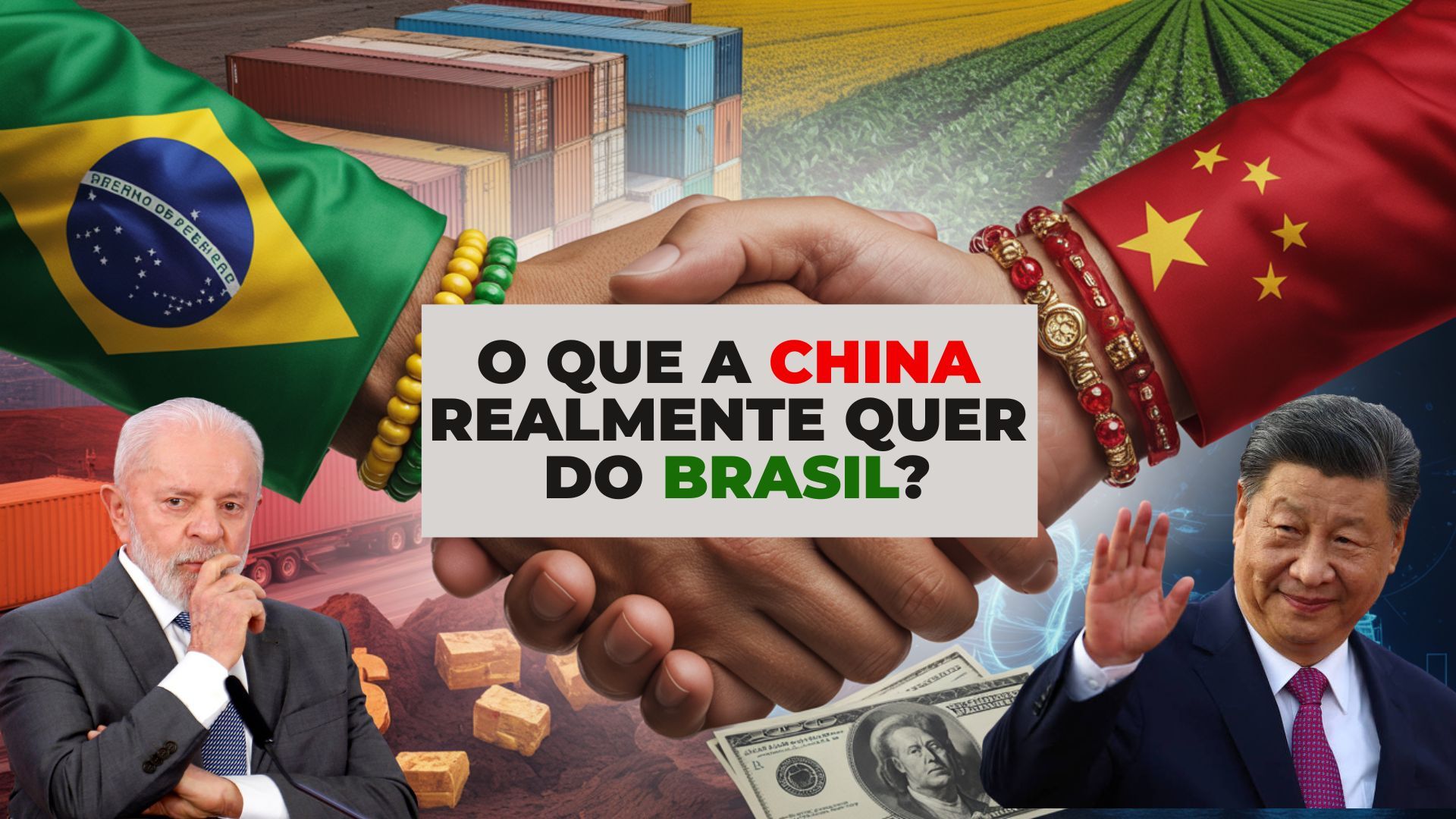


Chinese Advancement in Brazilian Exports, BRICS Expansion, and Increased Strategic Investments Reignite Debates on Economic and Geopolitical Impacts in the Brazil-China Relationship.
The growing presence of China in foreign trade and investments in Brazil has reignited the debate about the economic and strategic impacts of this rapprochement.
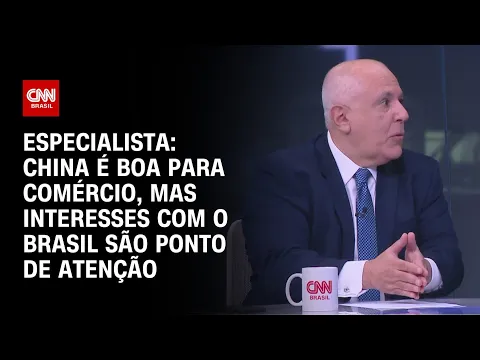
In an analysis on the WW program, from CNN Brazil, Professor Roberto Dumas, a specialist in Chinese economics from Insper, stated that the Asian country is now a central piece for Brazilian exports, while its interests in Brazil require attention.
Commenting on the recent evolution of the bilateral relationship, Dumas highlighted that China has consolidated itself as the main destination for Brazil’s external sales, ahead of the United States and the European Union.
-
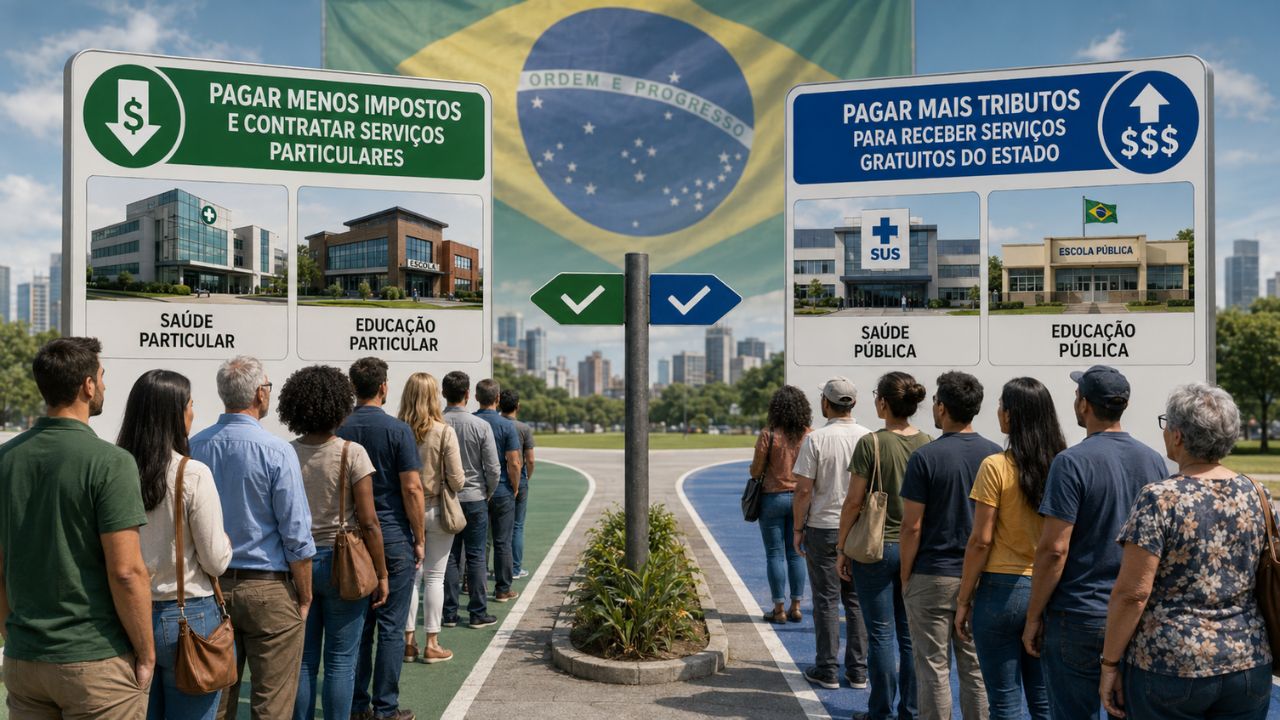
Half of Brazilians Prefer Lower Taxes with Private Health and Education, While 44% Opt for Higher Taxes for State-Provided Services, Datafolha Survey Reveals

-
Brazil’s Most Expensive Toll Rises to R$ 40.60 on Route from São Paulo to the Coast, Nearly Matching Bus Fare to Santos

-
As Brazil Expands Social Welfare, Survey Reveals 40% Blame Poverty on Laziness, While 58% Cite Lack of Opportunities

-
China Tightens Control on Antimony, Driving Prices from $22,000 to Nearly $40,000 per Ton as U.S. Rushes to Bolster Strategic Reserves



According to data compiled by official foreign trade agencies, the Chinese market concentrates a significant portion of Brazilian exports, remaining the country’s largest trading partner.
China as the Dominant Destination for Brazilian Exports

The expert explained that this centrality of China results mainly from the type of products traded between the two countries.
According to Dumas, the Brazilian agenda destined for the Chinese market is predominantly composed of commodities, such as iron ore, soybeans, and oil.
Recent surveys also indicate the predominance of these basic items in the bilateral trade relationship.
In contrast, exports to the United States, according to Dumas, have a greater share of manufactured goods, which creates significant differences between the two markets.
For foreign trade specialists, this characteristic helps explain why part of the economic community views Brazil’s dependence on commodities in its relationship with China with caution.
The professor noted that approximately 70% of what Brazil sends to the Asian country is concentrated in basic products.
He emphasized that this pattern has remained over the years, reinforcing an export profile focused on natural resources.
Diversification of the Agenda and Challenges with the Chinese Market
The diversification of Brazilian exports, a recurring theme in economic debates, was one of the central points of Dumas’s participation in WW.
The economist noted that expanding the variety of products destined for China is a structural challenge, as the Asian country traditionally demands Brazilian commodities.
According to him, specialists in trade strategy advocate that diversification efforts should include the pursuit of new markets capable of absorbing higher value-added goods.
Dumas stated that, despite discussions that have repeated for years about the need to increase the share of manufactured products in trade with China, the composition of Brazil’s significant agenda has changed little.
Segments such as aerospace and high technology continue to have a reduced share in exports to the Chinese market, while basic products remain predominant.
For sector analysts, this scenario reinforces the need for long-term planning to prevent the country from remaining excessively vulnerable to international commodity price fluctuations.
Expanded BRICS and the Debate on Local Currencies
The role of Brazil in the BRICS was also addressed in the interview.
The group, which originally included Brazil, Russia, India, China, and South Africa, has recently expanded to 11 members.
Among the topics discussed by the bloc is the so-called de-dollarization, which seeks to increase the use of local currencies in trade transactions.
Dumas stated that Brazil has been one of the most outspoken voices in favor of this process, while other countries have preferred to pursue changes more discreetly.
International finance specialists note that, despite the discussions, the dollar remains dominant in global operations, and the adoption of local currencies by the BRICS is likely to occur gradually, in specific trade flows.
They also point out that the idea of a common currency for the bloc has lost traction, giving way to more pragmatic initiatives, such as bilateral payment systems.

Chinese Investments and Strategic Sectors in Brazil
In addition to trade, the Chinese presence in Brazil is intensifying through investments in strategic sectors.
Dumas highlighted that companies from the Asian country have increased their participation in areas such as electricity, logistics, infrastructure, and projects related to energy transition.
According to the professor, specialists in international relations assess that these investments bring important capital and technology but also require monitoring mechanisms to mitigate risks associated with the management of sensitive assets.
It was in this context that Dumas mentioned the concept of “Sharp Power”, used in studies on external influence to describe indirect strategies of political or economic impact.
He stated that monitoring these movements is advisable to ensure autonomy in national decisions.
Bilateral Relationship and Upcoming Economic Movements
During the interview, the economist reiterated that economic rapprochement with China opens opportunities for Brazil, especially given the relevance of the Asian market for agricultural and mineral products.
Experts point out that this flow helps sustain trade surpluses and generates significant revenue for the country.
At the same time, analysts remind that the concentration of the export agenda in commodities and the Chinese advancement in strategic sectors require a clear strategy from the government and the productive sector.
Among the frequently cited challenges are adding value to production, diversifying markets, and improving transparency instruments in negotiations.
Discussions about Brazil’s role in the BRICS, the use of local currencies, and new forms of global cooperation also fit into this scenario.
Experts argue that the way the country balances its interests with those of China, maintaining dialogue with other partners like the United States and the European Union, is likely to influence economic decisions in the coming years.
In light of this context, one question remains: how can Brazil transform its relationship with China into a balanced partnership capable of reducing dependence on commodities while maintaining its own space in the geopolitical landscape?








Como se pode ver, quem tem mais proteção neste nosso país são os meliantes…
Não aceitou de novo! Então leia-se “****”.
No meu comentário anterior, onde se vê 4 asteriscos colocado não por mim, mas pela plataforma, leia-se “****”.