Portuguese
  Spanish


Emerging Markets, Primarily in Latin America, Will Play a Key Role in Global Offshore Development
Offshore wind energy is one of the most innovative and efficient forms of energy production. It involves using the force of winds offshore to generate electricity. The method is more effective than onshore processes, as there are no barriers to reduce wind strength, allowing it to be harnessed to the fullest.
Check Also:
- Tax Reform Proposal Could Simplify Brazilian Oil and Gas Tax System, However Discussions Have Been Ongoing for Over Thirty Years in the Political Sphere and Therefore It Was Criticized by Experts in a GDT Webinar
- Electricity and Phone Bills Could Decrease in 2022 Following STF Decision
- BBF Partners with Vibra Energia to Build the Country’s First Green Diesel (HVO) Plant
- Electric Car Industry Advances in Brazil and the First National Manufacturer Will Be Based in Maringá, Paraná in 2022
The Importance of Investment in Offshore Wind Energy
As it is a type of clean, renewable, and inexhaustible energy, it is crucial that there are increasingly significant investments in wind production. According to the Global Wind Energy Council, investments in the global wind market need to quadruple to decarbonize electricity and meet the greenhouse gas emission reduction targets set in the Paris Agreement.
The data was presented by Rodrigo Ugarte Ferreira, head of procurement at Vestas Latam, during the panel “Competitiveness of the Production Chain and New Business Models for the Expansion of the Wind Sector,” at Brazil Windpower 2021.
-
Brazilian scientists are simultaneously advancing two research projects on clean hydrogen and driving solutions that could transform the energy matrix, enhance industrial competitiveness, and accelerate large-scale emission reduction targets.

-
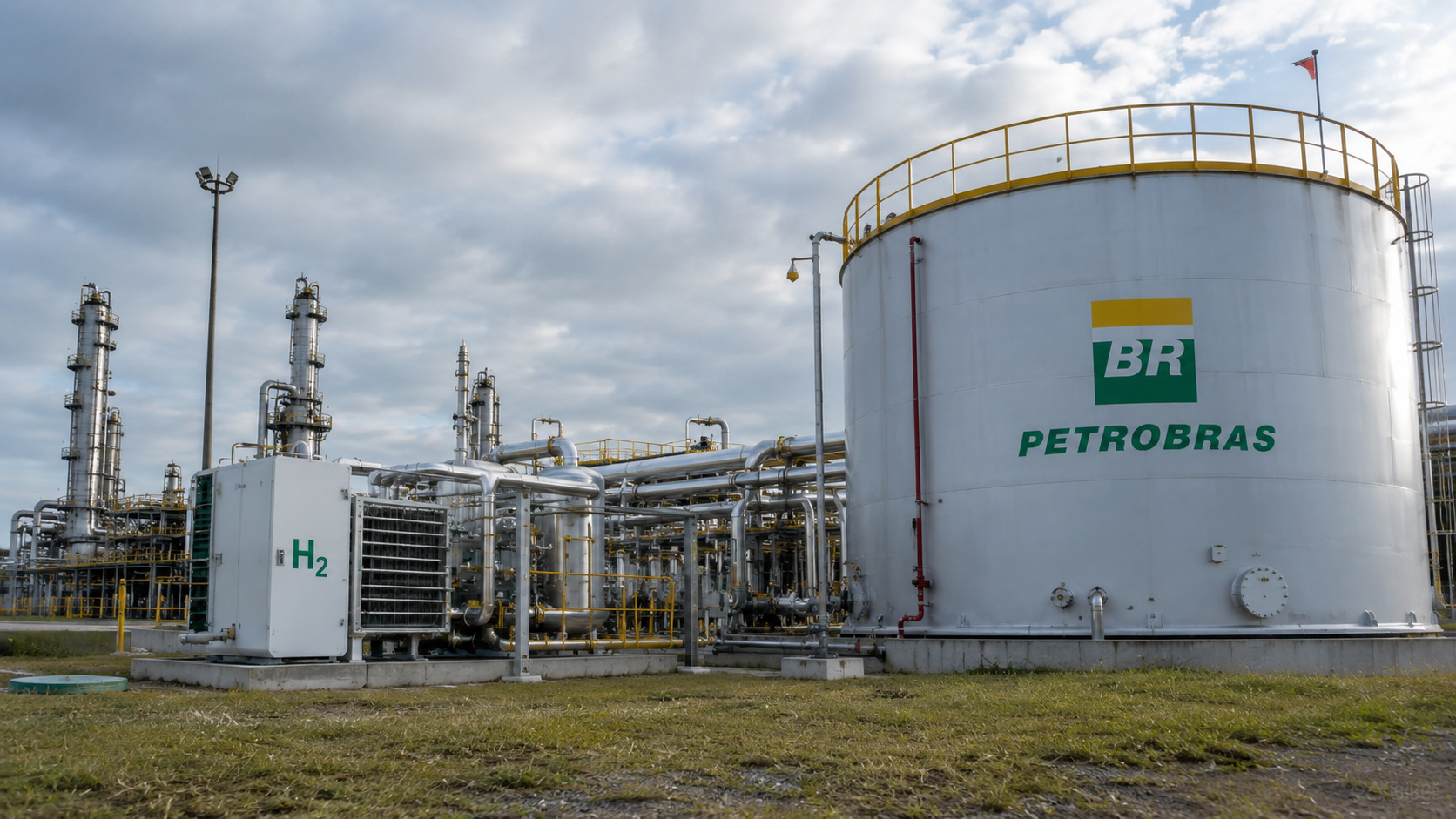
Advancement in renewable energy: A R$ 150 million project launched by Petrobras and Finep aims to create state-of-the-art electrolyzers for green hydrogen, strengthening national research and preparing Brazil to compete in a billion-dollar energy market.
-
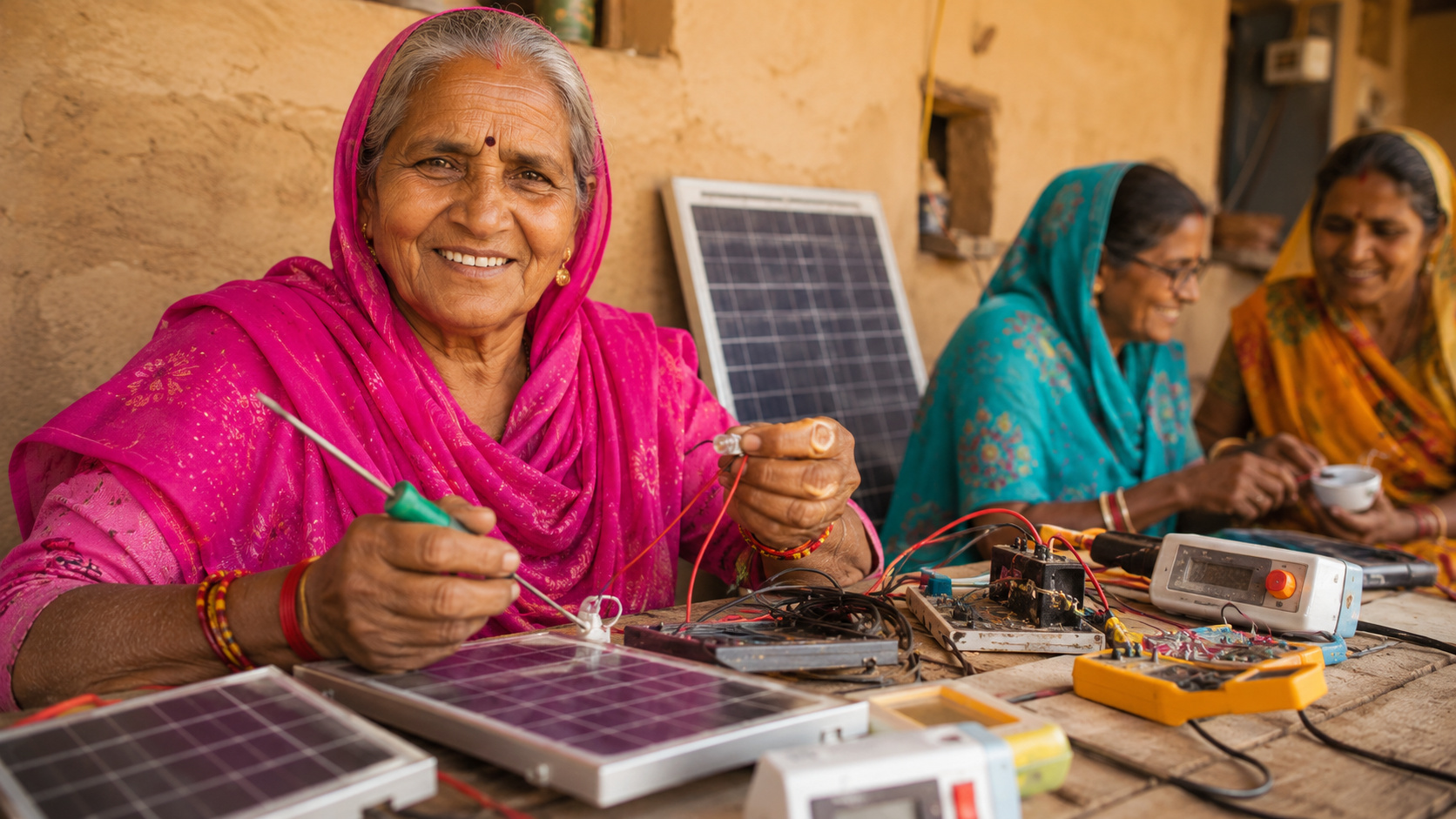
Illiterate or semi-literate grandmothers were trained to repair solar systems, open rural workshops, and light up homes that still depended on kerosene.
-
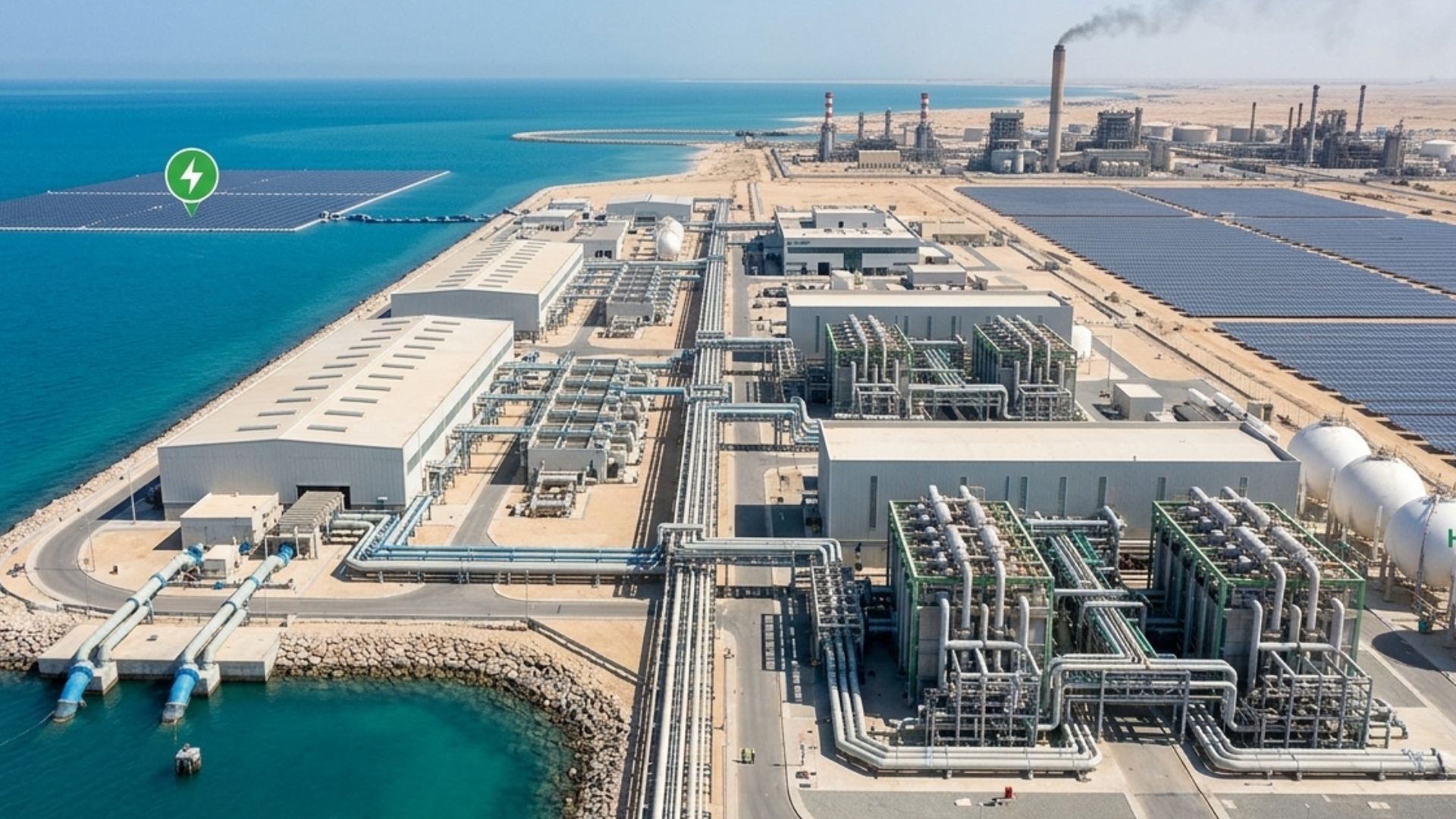
The world has bet on green hydrogen as the fuel of the future, but now faces the side effect: producing 1 kilogram requires about 9 liters of ultrapure water, and the largest projects on the planet are precisely in the driest regions of the Earth, where water is already scarce for people.


Additionally, at the same event, Vestas’ market development head, Carsten Hallund Slot, stated that offshore technology is still a global challenge, but Brazil has all the necessary resources to keep up with international development.
According to the Minister of Mines and Energy, Bento Albuquerque, it is estimated that starting in 2022 it will be possible to include the contracting of offshore wind farms in energy auctions.
“Brazil will be a pioneer in implementing offshore technology in Latin America. From this point, other countries in the region will see Brazil as a success story. Regulatory discussions are underway, and we have immense proactivity from environmental agencies,” says Carsten.
Changes in Infrastructure
The change in infrastructure to accommodate offshore wind energy farms will bring several benefits to the country, such as the possibility of new investments, job creation, innovation, in addition to attracting global attention, elevating Brazil to another level of renewable energy production. Moreover, as pointed out by Rodrigo Ugarte in his lecture, producing wind energy is an excellent alternative for diversifying the Brazilian energy matrix, which has predominantly been formed by hydroelectric plants.
It took 20 years for Brazil to reach the milestone of 20GW of installed wind energy, but the trend is that this reality will change rapidly with the current accelerated growth of production. There are already projections that, by 2030, the country will be producing 60GW of wind energy, with onshore capacity responsible for 40GW and offshore for 20GW.
However, the global pace of renewable energy installation is insufficient to meet the global decarbonization target set for 2030. And according to Eduardo Ricotta, president of Vestas for Latin America, “Decarbonizing electricity is the foundation upon which a sustainable energy system should be built.”
Recognizing Latin America’s great potential for generating onshore and offshore wind energy, Vestas announced LATAM – a new global configuration for the region. Starting in 2022, countries like Mexico, the Dominican Republic, Peru, Colombia, Chile, Argentina, and Uruguay will join Brazil to form the Latin America region, under the leadership of Eduardo Ricotta, president of Vestas LATAM.