Portuguese
  Spanish


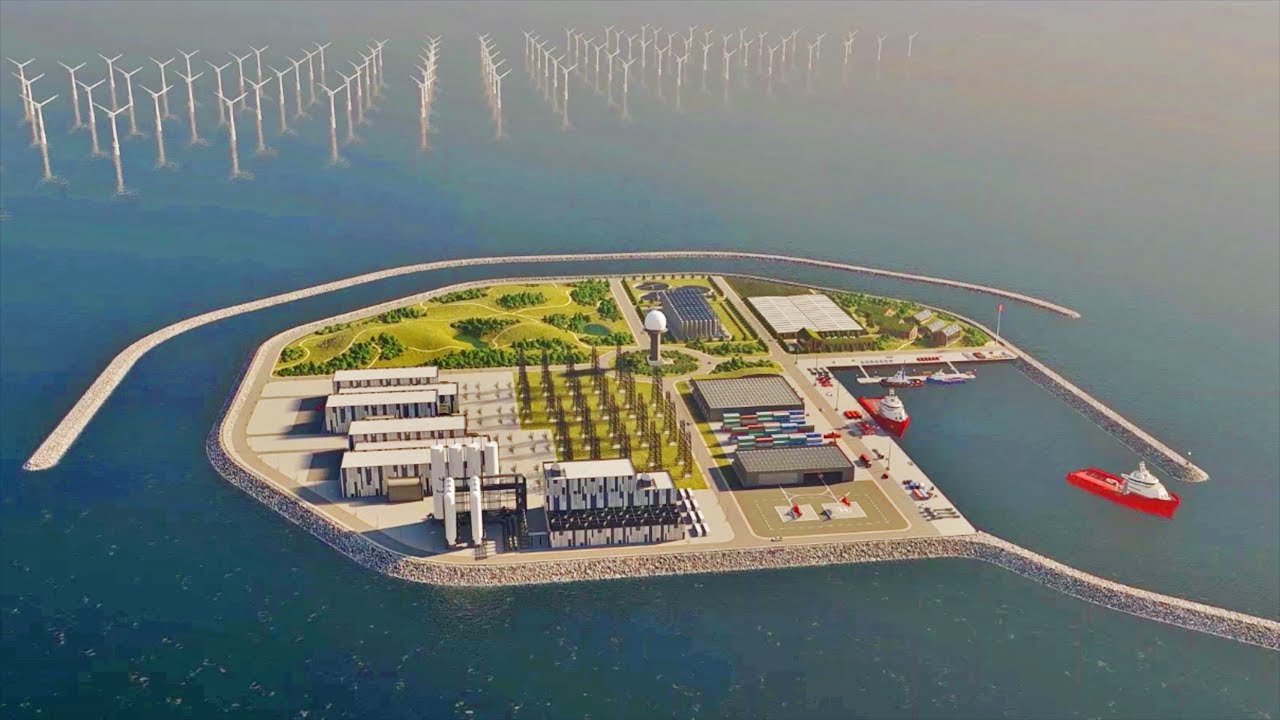

Germany and Denmark want to transform Bornholm into a 3 GW energy island connected by submarine cables in the Baltic Sea.
In 2026, the small Danish island of Bornholm, in the Baltic Sea, came to occupy a strategic position in Europe’s new energy architecture: no longer just an island territory, but becoming an offshore hub capable of connecting large wind farms to the electricity grids of Denmark and Germany. According to the Danish Energy Agency, the Bornholm Energy Island project foresees that, starting in 2030, the island will receive 3 GW of electricity generated by wind turbines installed about 15 km off the coast, transforming this energy into direct current for transport via submarine and terrestrial cables.
The geopolitical and industrial weight of the project increased on January 26, 2026, when Germany and Denmark reached an agreement to advance the joint development of the energy island, treated by the European Commission as an unprecedented model for transforming offshore wind energy from a national resource into shared infrastructure on the continent.
Before that, on September 4, 2025, the European Commission had already formalized a funding agreement of €645.2 million for the Bornholm hybrid interconnector, led by operators Energinet and 50Hertz, with the forecast to integrate 3 GW of offshore renewable electricity and supply millions of consumers in Europe.
-
Brazilian scientists are simultaneously advancing two research projects on clean hydrogen and driving solutions that could transform the energy matrix, enhance industrial competitiveness, and accelerate large-scale emission reduction targets.

-
Advancement in renewable energy: A R$ 150 million project launched by Petrobras and Finep aims to create state-of-the-art electrolyzers for green hydrogen, strengthening national research and preparing Brazil to compete in a billion-dollar energy market.
-
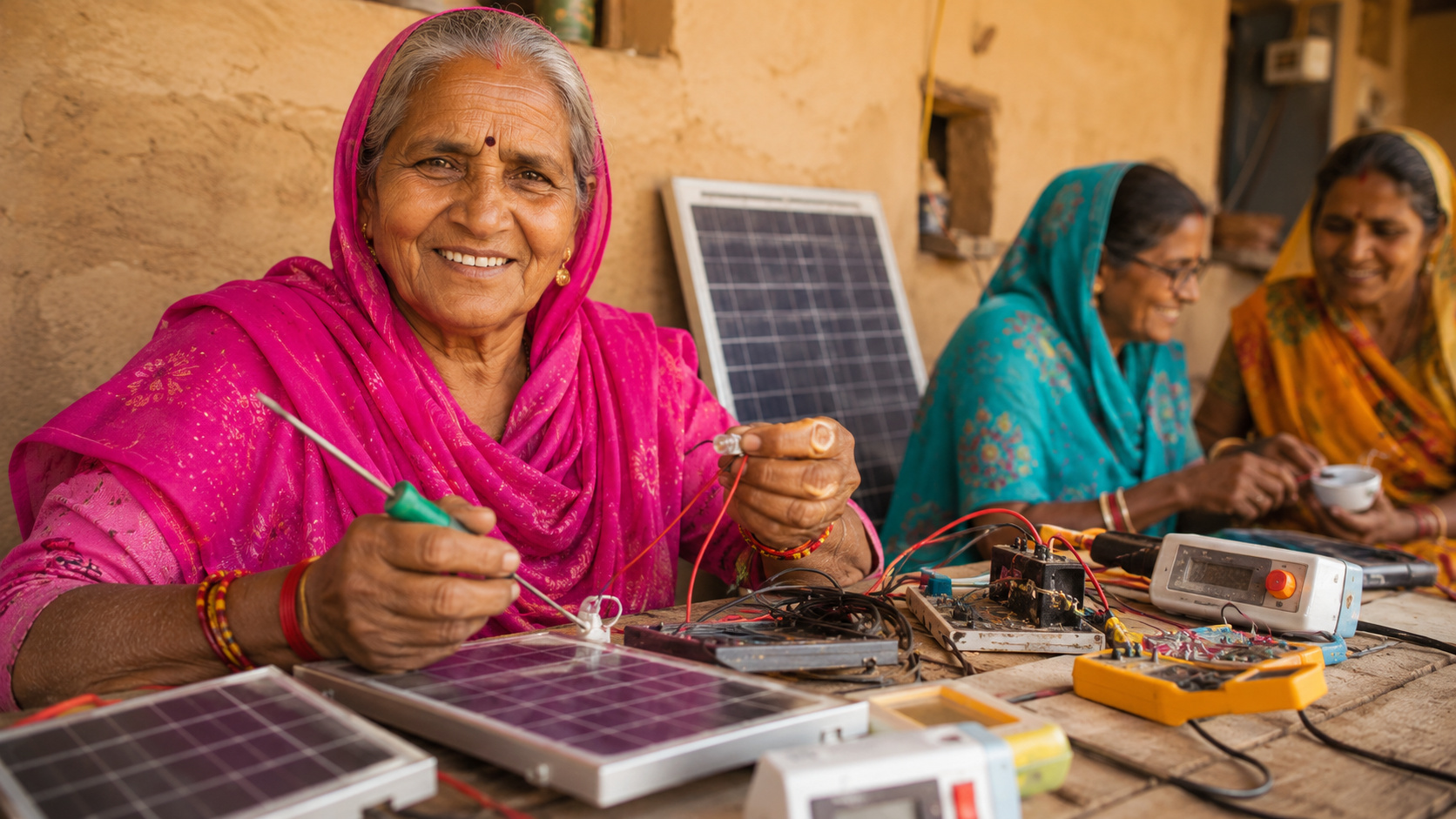
Illiterate or semi-literate grandmothers were trained to repair solar systems, open rural workshops, and light up homes that still depended on kerosene.
-
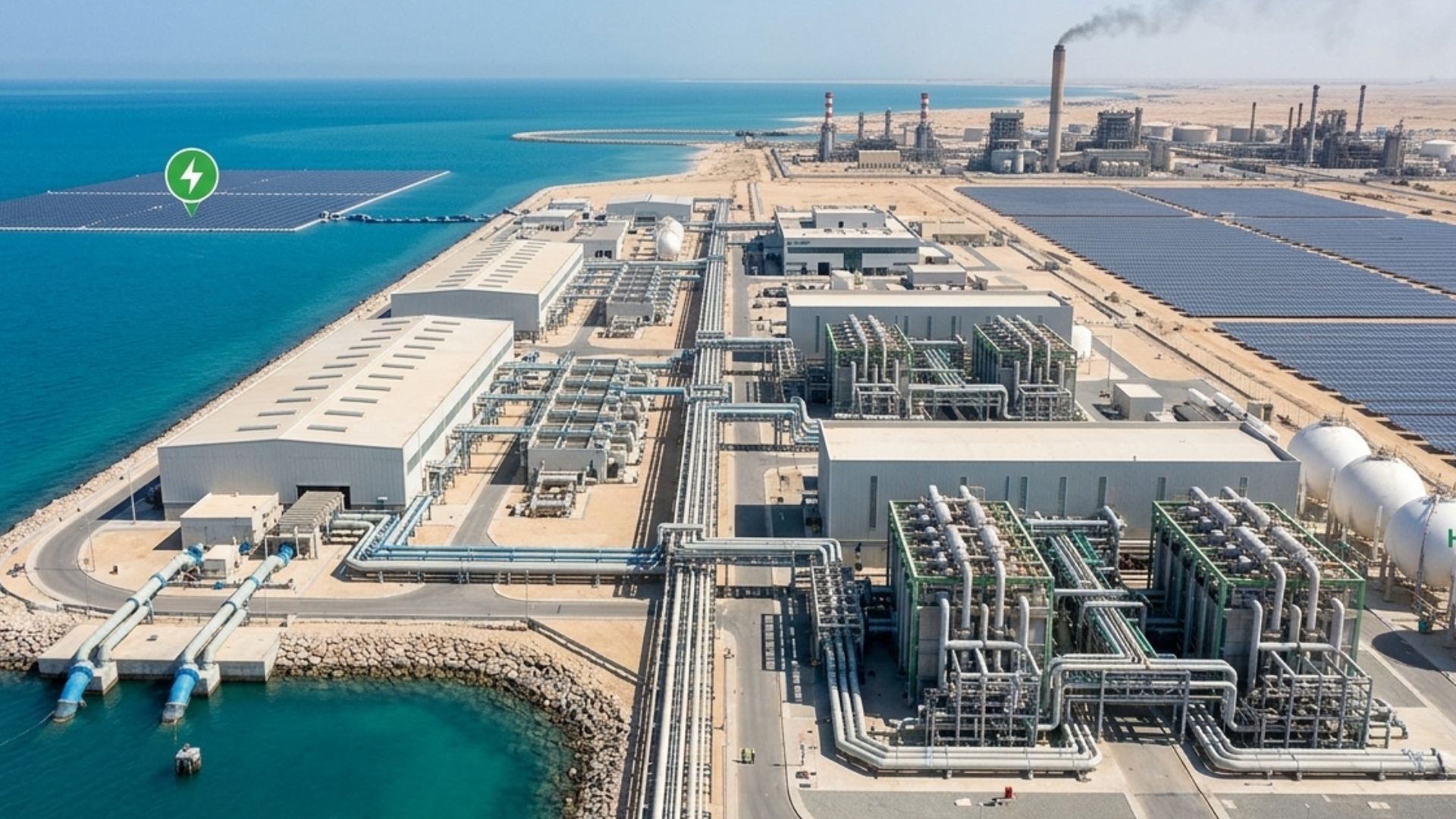
The world has bet on green hydrogen as the fuel of the future, but now faces the side effect: producing 1 kilogram requires about 9 liters of ultrapure water, and the largest projects on the planet are precisely in the driest regions of the Earth, where water is already scarce for people.



Bornholm will cease to be just a tourist island to become an offshore power hub
The island of Bornholm is historically known for tourism, coastal landscapes, and its strategic position between Denmark, Sweden, Germany, and Poland. **Now, however, the location is being integrated into one of Europe’s biggest energy transformations.**


According to the Danish Energy Agency, Bornholm will be used as a connection point for large offshore wind farms installed in the Baltic Sea.
**In practice, the island will function as a giant electrical substation located in the middle of the sea.**
Project foresees initial connection of 3 GW of offshore wind energy
The project’s figures help explain its strategic relevance. The system was initially planned to operate with approximately 3 GW of installed capacity connected to the energy island.
According to Danish authorities, the planned distribution includes about 2 GW destined for Germany and approximately 1.2 GW for Denmark.
This represents one of the largest offshore energy integrations ever planned in the Baltic Sea region. **The project’s logic is to transform Bornholm into a kind of “maritime power outlet” connecting different countries to energy produced in the ocean.**
Giant submarine cables will transport electricity between countries
**The system’s operation depends on extremely complex submarine infrastructure.** Large electrical transmission cables will be installed under the Baltic Sea to connect offshore wind farms to the island and then carry electricity to Denmark and Germany.
These systems use high-voltage technology capable of transmitting large amounts of energy over long distances with relatively reduced losses. The project also requires new onshore conversion and energy distribution facilities.
European Union approved €645 million for the project’s electrical connection
The strategic nature of the undertaking became evident when the European Union approved billions in funding for part of the infrastructure.
According to Reuters, the European Commission authorized approximately €645 million to support the electrical interconnection between Germany and Denmark associated with the Bornholm Energy Island.
The investment was treated as a priority project for European energy integration and the expansion of offshore renewable generation.
Baltic Sea became new frontier for offshore wind energy
The choice of the Baltic Sea was not by chance. The region has favorable conditions for offshore wind generation, including relatively constant winds and suitable areas for installing offshore turbines.
In recent years, Northern European countries have accelerated investments in offshore energy as part of their decarbonization goals.
The war in Ukraine and the reduction of energy dependence on Russia have also increased pressure for new electricity sources within Europe. In this context, projects like Bornholm gained geopolitical importance.
Energy island tries to change the traditional model of offshore parks
Historically, many offshore wind farms were individually connected to the country responsible for their installation. The energy island model attempts to change this logic.
Instead of isolated systems, the proposal is to create central hubs capable of receiving energy from several parks simultaneously and redistributing it internationally.

This increases operational flexibility and allows for more efficient regional energy integration. Bornholm will not just be an island receiving electricity: it will function as an international hub for offshore energy distribution.
Offshore energy requires colossal maritime infrastructure
The growth of offshore wind energy is completely changing modern maritime engineering. In addition to the giant turbines installed in the ocean, projects of this type require:
- subsea foundations;
- electrical platforms;
- high-voltage cables;
- conversion systems;
- specialized maritime maintenance;
- international grid integration.
In the case of Bornholm, all this infrastructure will be organized around a real island transformed into a continental energy node.
Germany seeks to expand access to renewable energy from Northern Europe
Germany’s participation in the project has strategic relevance. Germany has been accelerating the expansion of renewable energies, especially after profound changes in the European energy sector since 2022.
Offshore projects in the North Sea and the Baltic have come to play a central role in the future supply of clean electricity for German industry. Access to energy connected by Bornholm helps strengthen this strategy.
Denmark is already considered one of the global references in offshore wind energy. The country pioneered several offshore projects and is now investing in even more advanced models of offshore energy integration.
Bornholm Energy Island is part of this larger movement to transform European seas into large electricity generation platforms.
Electric island shows how oceans are becoming international energy infrastructure
The case of Bornholm reveals an important transformation of global infrastructure. Oceans have ceased to be merely shipping routes or oil exploration areas and are now treated as strategic territories for electricity generation.
Offshore wind farms, energy islands, submarine cables, and offshore hubs are beginning to redraw Europe’s energy geography.
In the case of Germany and Denmark, the goal is to transform a small Baltic Sea island into an international power plant capable of distributing clean energy produced in the ocean to different countries simultaneously.
Now, the main question is how many other maritime regions on the planet can follow the same path and convert entire seas into continental energy platforms in the coming decades.