






 Portuguese
  Spanish


Political Scientist Analyzes How the United States Posture Toward Brics and Brazil May Generate Opposite Effects, Strengthening Alliances and Boosting Debates About the Use of the Dollar and Global Alternatives in International Relations.
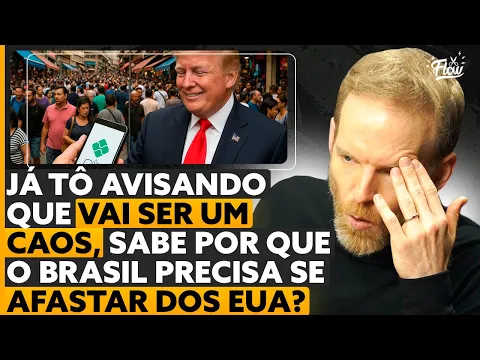
The political scientist Oliver Stuenkel, a professor at the Getulio Vargas Foundation, stated in an interview with Flow Podcast that the United States posture toward Brazil and the Brics group has generated effects opposite to what Washington desires.
According to him, pressure measures and threats of sanctions, especially during Donald Trump’s presidency, ended up strengthening the union among emerging countries.
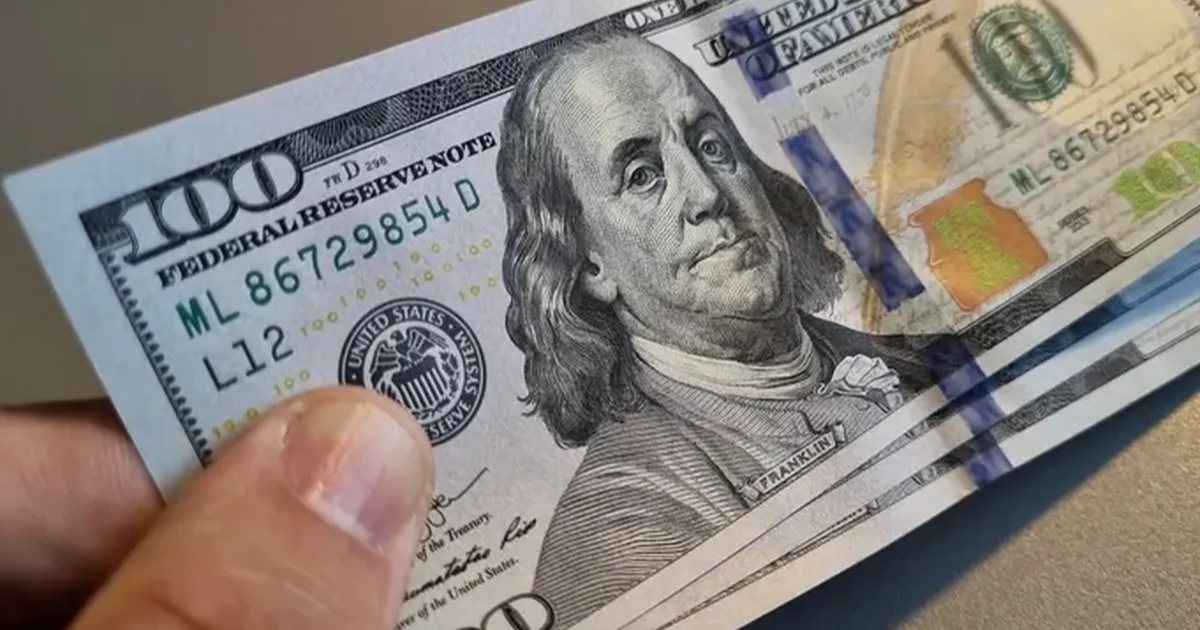
According to Stuenkel, statements by President Luiz Inácio Lula da Silva about the possibility of reducing dependence on the dollar were interpreted by parts of the American political elite as provocation.
-
Former Shoe Factory Worker Turned Entrepreneur Opens 19th Tool Store, Projects $230 Million Revenue, Expands to São Paulo

-
Father Founded Arezzo in a Belo Horizonte Garage; Son, as CEO, Merges to Form “Azzas 2154” with Over 30 Brands, 2,000 Stores, and a $110 Million IPO
-
At 21, he used a $40,000 family loan to start a stationery brand in Brazil; today, BRW earns $48 million annually, has 20,000 sales points, and holds 11 patents, including a highlighter with lip gloss to appeal to teens.

-
End of an Era in Brazil: Automaker Shuts Down Mega Factory After Sales Slump, While Chinese Company Plans to Revive It with 100,000 Vehicles Annually


“When Trump decides to sanction or attack Brics, he paradoxically creates a factor of cohesion. These countries start to have something in common: they are all being attacked by the United States,” he stated.
The Weight of the Dollar and the Limits of Change
Although Lula has defended at international meetings, such as at the Brics, the idea of using alternative currencies, Stuenkel emphasized that Brazil has not taken practical steps to abandon the dollar.
According to him, the Brazilian economic elite, especially agribusiness, prefers to continue trading in dollars due to the predictability and security that the currency offers.
“Ask a major Brazilian exporter if they would like to be paid in another currency. The answer will be no. The dollar has a trust role that no other currency fulfills today,” he highlighted.
The expert added that this situation could only change in the event of a collapse of the American debt, a scenario he considers unlikely in the short term.
Brics: Relevance and Limits of the Block
Stuenkel also analyzed Brazil’s position in Brics, a group that currently includes more than ten countries, including China, India, and Russia.
For him, the block should not be compared to the European Union or NATO, as it neither has such integrated goals nor the same structure.
“Brics will never be a European Union. Still, it is relevant because it forces Brazil to adapt to a world less centered on the United States,” he stated.
According to the political scientist, regular meetings among leaders and ministers help broaden knowledge about strategic countries, like India and Indonesia, which are still under-researched in Brazil.
He recalled that in 2009, there were very few Brazilian diplomats fluent in Chinese, even when China was already the country’s main trading partner.
“Brics has contributed to changing this scenario. Today Brazil understands China better, but still knows very little about India, which will be a central power this century,” he said.

Monetary Union and International Comparisons
When asked about the viability of a single Brics currency, Stuenkel dismissed the possibility. He explained that countries like China and India would not accept giving up their monetary autonomy.
“The euro worked in Europe because it was necessary to give weight to the countries of the continent. But India and China are not interested in sharing currency because that would reduce their capacity to interfere in their own economies,” he stated.
Still, he acknowledged that specific initiatives to use local currencies in trade transactions are already occurring among group countries, which may increase according to the international economic scenario.
Sanctions and Strengthening Alternatives
Stuenkel emphasized that American sanctions policies often encourage countries to seek ways to escape this control.
As an example, he cited the creation of independent payment mechanisms, such as Pix in Brazil.
According to him, a tool like this would hardly be implemented in the United States due to societal resistance to accepting free services offered by the state.
“In the US, even center politicians would say this is ‘too much government’. They prefer to let private companies, like Mastercard, exploit the sector. If something similar to Pix were to emerge there, it would be paid and worse for consumers,” he commented.
Pragmatic Relationship with Great Powers
Despite advocating for the importance of Brics, Stuenkel stressed that Brazil should not fully align itself with the group on all issues.
He cited the invasion of Ukraine by Russia as an example of a topic on which he maintains strong criticisms.
“This is not about ideology, but about pragmatism. Brazil depends on Russian fertilizer and needs to engage in dialogue. The same applies to India, which is still largely rural but has been advancing significantly in technology. These countries can become major trade and technological partners for us,” he explained.
The political scientist argued that Brazil should expand its network of contacts by sending more students, diplomats, and entrepreneurs to get closer to realities like those of India and Indonesia.
For him, this approach is essential in a world where the economic axis is shifting to Asia.
The Future of the International Order
Stuenkel stated that the period of absolute economic leadership of the West, which began in the 16th century, is coming to an end.
“This does not mean that it is good or bad; it is just a fact. The world economy is redistributing, and Brazil needs to better understand this new reality,” he assessed.
He warned that young Brazilians are still more inclined to seek academic experiences in Europe or the United States than in Asian countries that will gain increasing relevance.
For the professor, this gap in interest and academic training could compromise Brazil’s competitiveness in the future.
Given this scenario, the big question is: will Brazil be able to prepare in time to act strategically in an increasingly multipolar world?




O artigo é sério e bastante profundo. Pedir uma reação com um desses desenhos superficiais diminui sua importância; em certo sentido, diminui o valor do que você está escrevendo e ridiculariza uma pessoa competente e bem informada como o Professor Stuenkel. Vocês deveriam evitar fazer isso.