






 Portuguese
  Spanish
  4 min of reading
  0 comments


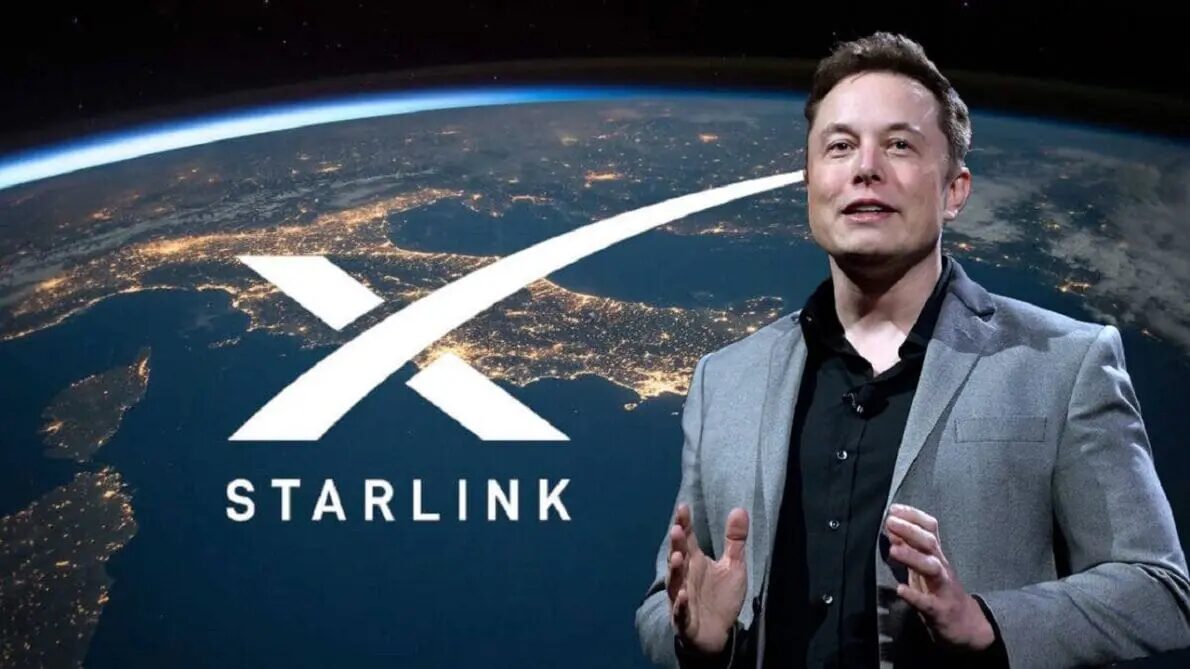
Brazil, in Partnership with China, Prepares a Turnaround in the Satellite Internet Market. With SpaceSail in the Country, Elon Musk’s Dominance May Be Numbered.
As the global satellite internet market grows rapidly, a recent movement between Brazil and China could shake the leadership of Starlink, the billionaire Elon Musk’s company, in the sector.
The dispute, which encompasses commercial and strategic interests, promises to reshape the internet landscape in Brazil, especially in areas where terrestrial infrastructure is limited.
The initiative aims to bring the Chinese company SpaceSail to Brazil, increasing competition in this market dominated by Starlink, as reported by Secretary of Telecommunications Hermano Barros Tercius to BBC News Brasil.
-
Brazilian Joins Homeownership Consortium, Faces Decade of Dual Payments Totaling $141,000, Surpassing Traditional Mortgage

-
Land Rover to Halt Production in July, Putting 371 Jobs at Risk, as Chinese Automaker Negotiates to Convert Factory to 100,000 Vehicles Annually by 2027

-
Mexican Pest Threatens U.S. Cattle Herds at Historic Lows, Potentially Boosting Brazilian Beef Exports as Burger Prices Soar

-
Brazilian Freight Bill Progresses in Congress with $5,000 Minimum Wage, 70% Advance Payment, and Fines Up to $1 Million, as Agriculture and Industry Warn of Rising Costs and Legal Uncertainty


The plan is for this expansion to be formalized during the visit of Chinese President Xi Jinping to the country on November 20, with the signing of memoranda of understanding.
However, there is still no exact date for SpaceSail’s operation in Brazilian territory.
crisis with Musk and the search for alternatives
The relationship between Elon Musk and Brazilian authorities recently reached a critical point when the Supreme Federal Court (STF) temporarily suspended X, formerly Twitter, after disagreements over compliance with local laws.
This crisis intensified the debate over Brazil’s dependence on Starlink’s internet infrastructure.
According to experts, diversifying suppliers could reduce monopoly risks and protect national sovereignty in the digital sector.
Since August, SpaceSail has been in talks with the Brazilian government to facilitate its entry into the satellite internet market in the country.
Company representatives met with Vice President Geraldo Alckmin and presented their goal of starting operations by 2025, provided they obtain the necessary licenses from the National Telecommunications Agency (Anatel).
How SpaceSail’s Technology Works
SpaceSail uses low Earth orbit satellites, known as LEO, to provide broadband internet.
These satellites, which orbit about 549 km from Earth, offer lower latency and higher connection speeds compared to conventional satellites that operate at altitudes close to 1,000 km.
This technical differential makes LEO technology particularly advantageous for remote areas where installing physical infrastructure, such as cables and antennas, is challenging and costly.
Starlink currently has about 6,000 satellites, while SpaceSail plans to launch up to 15,000 satellites by 2030.
This expansion potential positions SpaceSail to directly rival Musk’s company, providing an alternative for the Brazilian market.
Memorandum of Cooperation: A Strategic Agreement
During his visit to China in October, Hermano Tercius revealed that Brazil and China are negotiating a technical cooperation agreement that will allow the installation of SpaceSail in the country.
The goal, according to the secretary, is to enable SpaceSail to offer its services to both the private and public sectors, including schools and government institutions in remote regions.
This collaboration may also involve the use of the Alcântara Launch Center (CLA) in Maranhão as a base for launching SpaceSail satellites.
“This would benefit both sides, facilitating the launch schedule for SpaceSail and promoting the use of CLA for new projects,” Tercius highlighted.
Another agreement under discussion involves the construction of a geostationary satellite to meet Brazil’s communication needs.
There is no definitive decision on the exact purpose of this satellite, but it could serve both telecommunication needs and defense systems.
Starlink: Dominance and Controversies
Starlink, Musk’s SpaceX subsidiary, is the leading satellite internet provider in Brazil, with a 45.9% market share, according to Anatel data from 2023.
The service is essential for isolated regions, such as the Amazon, where many users rely on this connection to access the internet.
In a year and a half, Starlink jumped from fifth to first place in the national market, reflecting its rapid expansion and the growing demand for internet in remote areas.
However, the recent suspension of X in Brazil by the STF raised concerns about the country’s vulnerability to Musk’s services.
Government sources claim that the control Starlink has over the market is viewed with caution, especially due to the risks associated with dependence on a single foreign provider.
Impact of Potential Competition in the Sector
According to Thiago Ayub, technology director at Sage Networks, Starlink’s dominance reflects service quality but also exposes the Brazilian market to monopoly risks.
“Having multiple suppliers is a strategic necessity, as it enables healthy competition, which is essential for the country to become less dependent on a single provider,” Ayub explained.
For China, expanding its satellite technology via SpaceSail represents a strategic step.
In 2020, China’s National Development and Reform Commission highlighted creating satellite internet infrastructure as one of its short- and medium-term priorities.
This policy reinforces SpaceSail’s central role in expanding Chinese digital influence.
Brazil Between Monopoly and Digital Sovereignty
The need to reduce dependence on Elon Musk’s services has been intensified following his public statements supporting former President Jair Bolsonaro and criticizing Minister Alexandre de Moraes, who leads actions against fake news.
For the Lula government, strengthening alternatives like SpaceSail is a way to ensure the country’s digital infrastructure is not subject to the interests of a single company.
In a recent interview, President Lula stated that Elon Musk must respect Brazilian laws and that Brazil cannot be subjected to external impositions.
This stance indicates the government’s intention to attract competitors in the satellite internet sector, promoting a more independent approach.
SpaceSail’s entry into the Brazilian market could provide the country with a viable alternative to Starlink, fostering provider diversity and ensuring a more competitive market.
From these new perspectives, it will be interesting to observe how the balance of the Brazilian telecommunications sector will evolve in the coming years.
Do you think Brazil should invest in more satellite internet providers to reduce its dependence on Musk and promote digital sovereignty? Leave your comment!





-

-

-

3 people reacted to this.