






 Portuguese
  Spanish


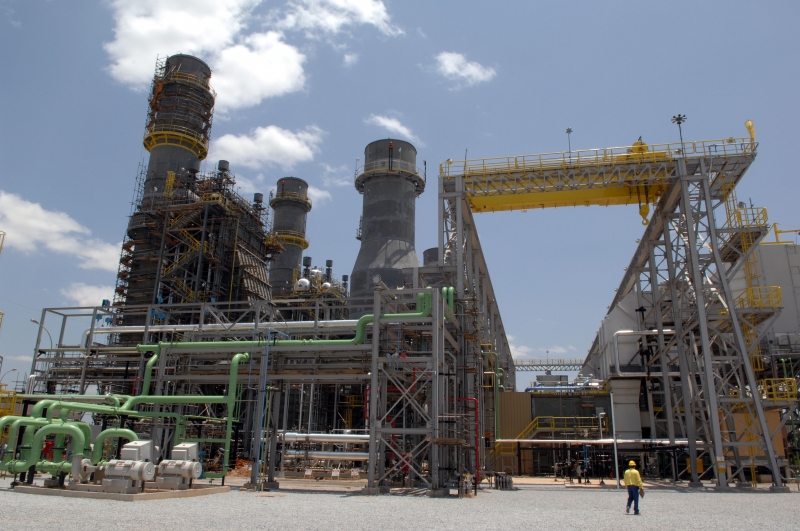

Brazil May Be Forced to “Spill Water” from Plants at Costs of Up to R$40/MWh and Consume Thermal Energy at Costs of Up to R$2,000/MWh, Generating Enormous Losses for the Whole National Economy, Just Because Contracts with Inflexible Thermals Require It
The president of ABRAPCH – Brazilian Association of Small Hydropower Plants, Paulo Arbex, is concerned that contracting more than 5,300MW of thermals in September and December 2021, many at costs exceeding R$2,000/MWh, will empty most of the demand space for contracting small hydropower plants, which could be traded at costs between R$280/MWh and R$350/MWh, less than 1/6 of the cost of thermals, with 100x lower emissions and much smaller and reversible environmental impacts.
Read Also
- Ethanol Prices Plunge in the Southeast, Meanwhile, Even in ‘Stability,’ Gas Prices Soar and the Region’s Average Reaches Almost R$ 7.00
- Itaipu Dam Represents One of the Most Successful Chapters of Brazilian Diplomacy, Turning a Border Stalemate into a Milestone for the Integration and Development of Brazil and Paraguay
- 123 Free Courses with Certificates from Bradesco Foundation in Administration, Accounting, Education, Technology, and More
- ExxonMobil, America’s Largest Oil Company, Wins Contracts in Brazil and Calls for 78 Positions for High School, Technical, and Higher Education Today (02/23)
- WEG Signs Billion-Dollar Contract with Eletrobras to Manufacture 72 Turbines of 4.2 Megawatts, Including Logistics, Assembly, Commissioning, Operation, and Maintenance Services for the Wind Farm of CGT in Rio Grande do Sul
The National Congress has come to agree that the extremely low contracts in the last 20 years for small hydropower plants, 100% renewable, with low environmental impacts and almost all reversible, needs to be reversed, and determined with LAW 14.182 of June 12, 2021, the contracting of 2,000MW.
Consumers Have Been Deeply Harmed by the Exorbitant Costs of Expensive and Polluting Thermals
For Arbex, “this contracting needs to be fulfilled, in respect to the National Congress, to the consumer, who has been deeply harmed by the exorbitant costs of expensive and polluting thermals, and to the environment, which has been unnecessarily degraded by the much higher and irreversible impacts of fossil thermals.” He argues that “the auction methodology should not undermine what has been determined by the National Congress in Law and sanctioned by the Presidency of the Republic.”
-
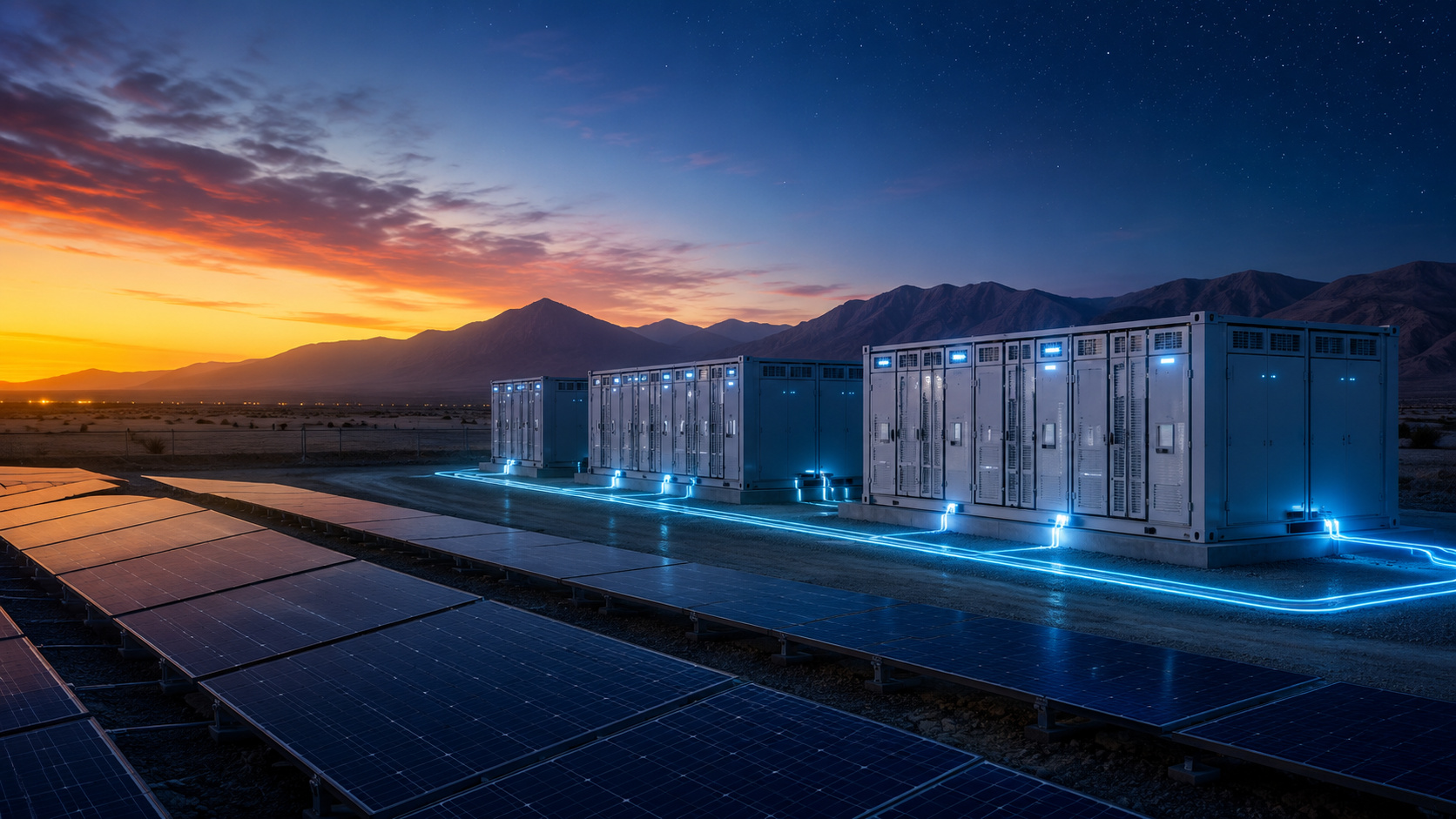
Giant Batteries Take Center Stage in Chile Auction as Company Offers 960 GWh of Solar Energy for Nighttime Use, Aiming to Stabilize Solar Power Supply

-
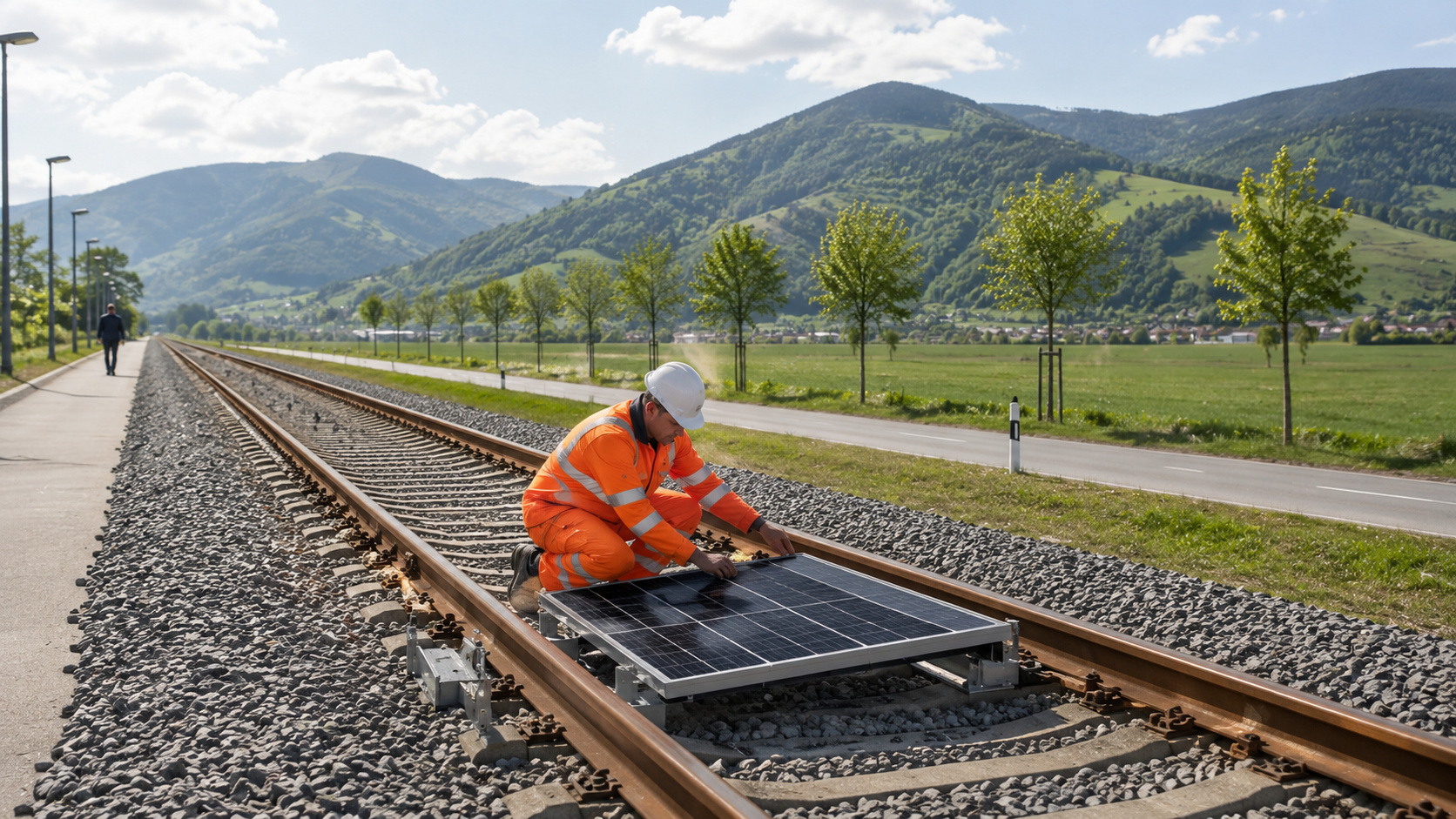
After a Year of Success in Switzerland, Solar Railway Attracts Italy’s Interest for Clean Energy Transformation
-
Robots Clean Solar Panels in Desert Power Plants Without Water, Preventing Energy Losses
-
Brazil’s Offshore Wind Energy Potential Worth $1 Trillion Stalled by Long-Delayed Agreement



The executive further estimates that, according to studies from a major consultancy in the electric sector, the contracts for more than 5,300MW of thermals in 2021, combined with the contracting of 8,000MW of thermals from the Eletrobras Law, will lead to the risk of spill from hydropower plants of up to 41% in the next 8 years.
The risk of spill is the risk of Brazil being forced to “spill water” from plants at costs of up to R$40/MWh and consume thermal energy at costs of up to R$2,000/MWh, causing enormous losses to the entire national economy, just because contracts with inflexible thermals require it. He informs that ABRAPCH is preparing a letter to the Ministry of Economy, reporting on the contracting of exorbitantly expensive thermals.
The Ten-Year Energy Plan (PDE 2031) does not incorporate the National Congress’s determination, as it points to only 635 MW of small hydropower plants until 2026, a value far below the 2,000 MW mandated by law.
The Policy of the Last 20 Years of Contracting Expensive Thermals Instead of a Combination of Renewables (Hydropower, Biomass, Solar, and Wind) Has Been One of the Main Reasons for the Explosion of Tariffs to Consumers
Arbex asserts that the policy of the last 20 years of contracting expensive thermals instead of a combination of renewables (hydropower, biomass, solar, and wind) has been one of the main reasons for the explosion of tariffs to consumers, which went from one of the cheapest in the world in 2000 to one of the 3 most expensive in 2022. “We are confident that the government will reverse this situation as soon as it becomes aware of it, and that it will contract the 2,000MW of small hydropower plants, whose importance the minister and the president have always recognized on various occasions,” he says.
Arbex explains that fulfilling the law will generate about 750 MW per year of hydropower over the next 3 years, almost R$ 6 billion in investments per year, more than 50,000 jobs, and plants that will generate cheap and clean energy for over a century.
To better size hydraulic energy in Brazil, ABRAPCH is working on some requests, such as rationalizing environmental licensing and adequacy of tax exemptions, as other renewable energies enjoy a tax burden over 35% lower than that of hydropower plants.







