Portuguese
  Spanish


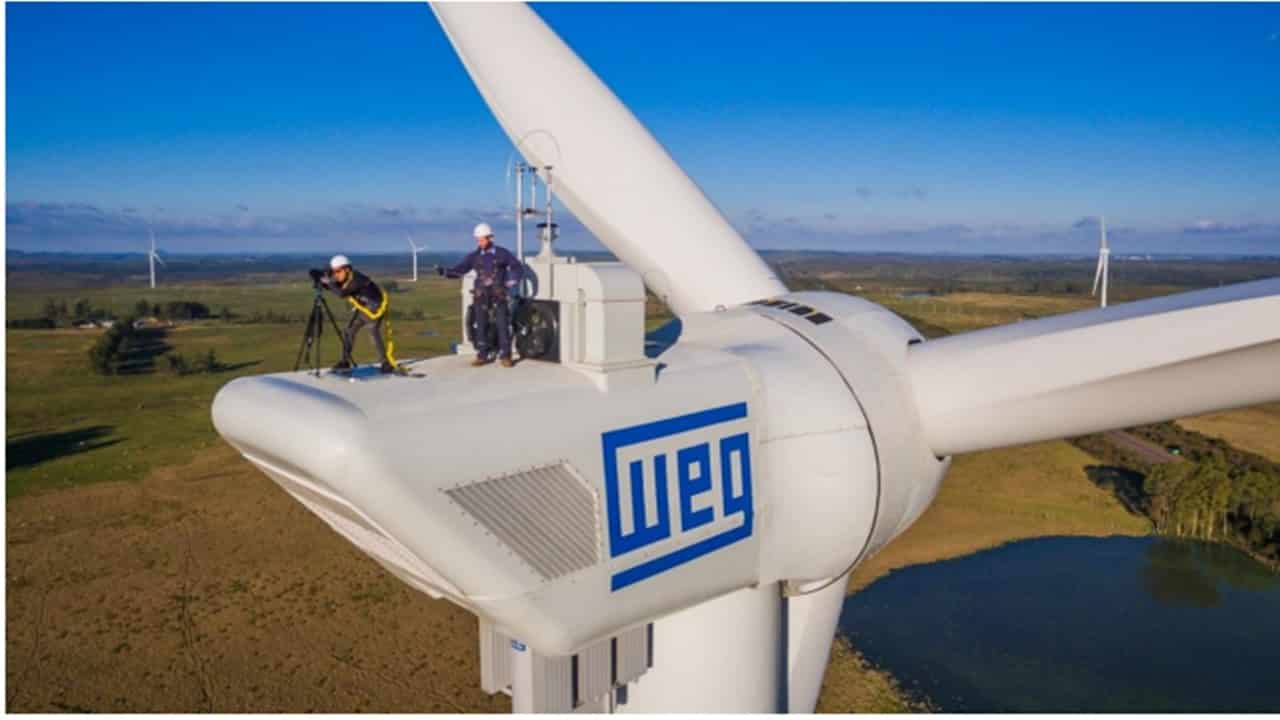


Turbines Manufactured by WEG Will Be Installed at the Coxilha Negra Wind Farm (RS), Totaling 302.4 Megawatts, with Deliveries Scheduled to Start in 2023.
Billion-Dollar Partnership Between WEG, One of the Largest Manufacturers of Turbines and Electric Motors in the World, and Eletrosul, a Subsidiary of Eletrobras. The Companies Finalized a Deal for the Supply of Wind Turbines and Services in a Transaction Exceeding R$ 2 billion!
See Also
- WEG Will Provide the Largest Steam Turbine and the Largest 4-Pole Generator in the World for the Cerradão Ethanol Plant
- WEG Integrates the Unique and Revolutionary Production System for Electric Mobility Created by Global Leaders Volkswagen, Bosch, ABB, and Siemens
- WEG, One of the Largest Manufacturers of Electric Motors in the World, Bets on Artificial Intelligence for Predictive Maintenance in Wind Turbines
- WEG and Engie, the Second Largest in the World in the Energy Sector, Complete Installation of the Wind Turbine of the First National Wind Generator
- WEG Calls for Anyone, Even Those Working for Other Companies, to Attend the Free Professional Qualification Course in Industrial Paint and Varnish Production on November 22
According to WEG’s statement last Friday (02/18), the contract between the companies provides for the supply of 72 wind turbines of 4.2 megawatts (MW), including logistics, assembly, and commissioning, in addition to operation and maintenance services throughout the project’s lifespan.
According to WEG, the wind turbines will be installed at the Coxilha Negra Wind Farm in Sant’Ana do Livramento (RS), totaling 302.4 megawatts of installed capacity, with deliveries scheduled to start in 2023 and extending into 2024.
-
Giant Batteries Take Center Stage in Chile Auction as Company Offers 960 GWh of Solar Energy for Nighttime Use, Aiming to Stabilize Solar Power Supply

-
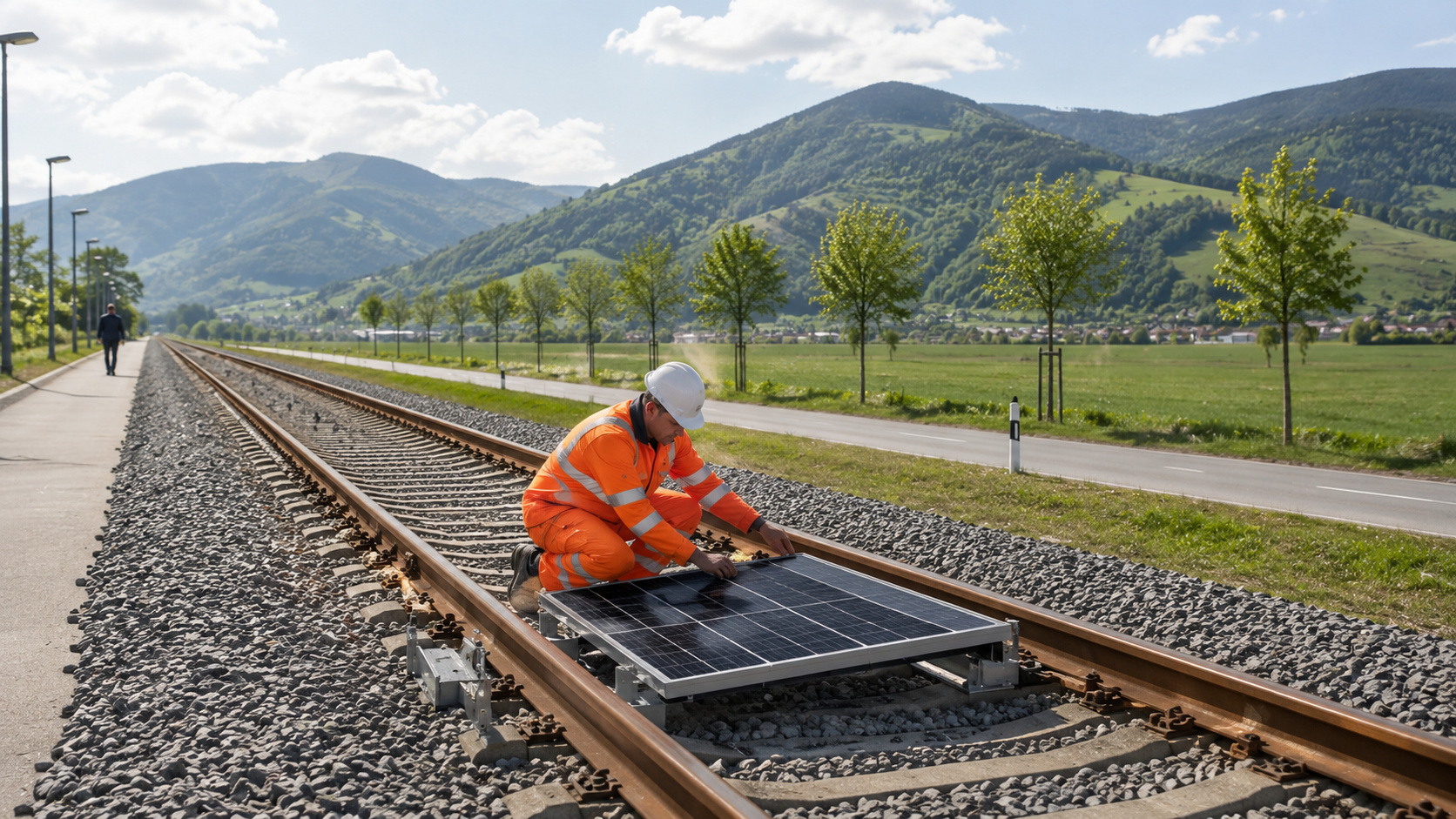
After a Year of Success in Switzerland, Solar Railway Attracts Italy’s Interest for Clean Energy Transformation
-
Robots Clean Solar Panels in Desert Power Plants Without Water, Preventing Energy Losses
-
Brazil’s Offshore Wind Energy Potential Worth $1 Trillion Stalled by Long-Delayed Agreement



According to a material fact published by Eletrobras, the deal was made after the approval of the Board of Directors of the Company for Electricity Generation and Transmission in Southern Brazil (CGT Eletrosul), controlled by Eletrobras.
The Largest FPSO Platform in Brazil, Manufactured by Modec for Equinor, Intended for the Pre-Salt of the Santos Basin, Will Have 140 Electric Motors
About 40 medium-voltage electric motors, with power reaching up to 13,400 kW, in addition to 100 low-voltage electric motors and five medium-voltage frequency inverters (three of which have a nominal power of 11,723 kW), will be supplied by the multinational WEG to equip the largest oil and gas platform in Brazil.
WEG is already manufacturing the equipment at its factory located in Jaraguá do Sul (SC). The electric motors and inverters will be supplied through clients who manufacture compressors and pumps in Europe and Asia, and will operate these equipment in the Bacalhau field, in the pre-salt of the Santos Basin.
The Largest Transformer Produced by WEG Left the SC Factory in April, Heading to the African Continent
The Brazilian giant WEG built, at its factory in Blumenau, in SC, its largest transformer. The equipment, weighing 348 tons each, will be incorporated into the electrical power transmission system in southern Africa, providing reliability in energy supply and directly contributing to the development of the local economy.
The first unit was shipped in early April of this year, and the second, in May, ahead of the contractual deadlines, with the complex logistics of transport to the final destination estimated at 60 days.