






 Portuguese
  Spanish
  4 min of reading


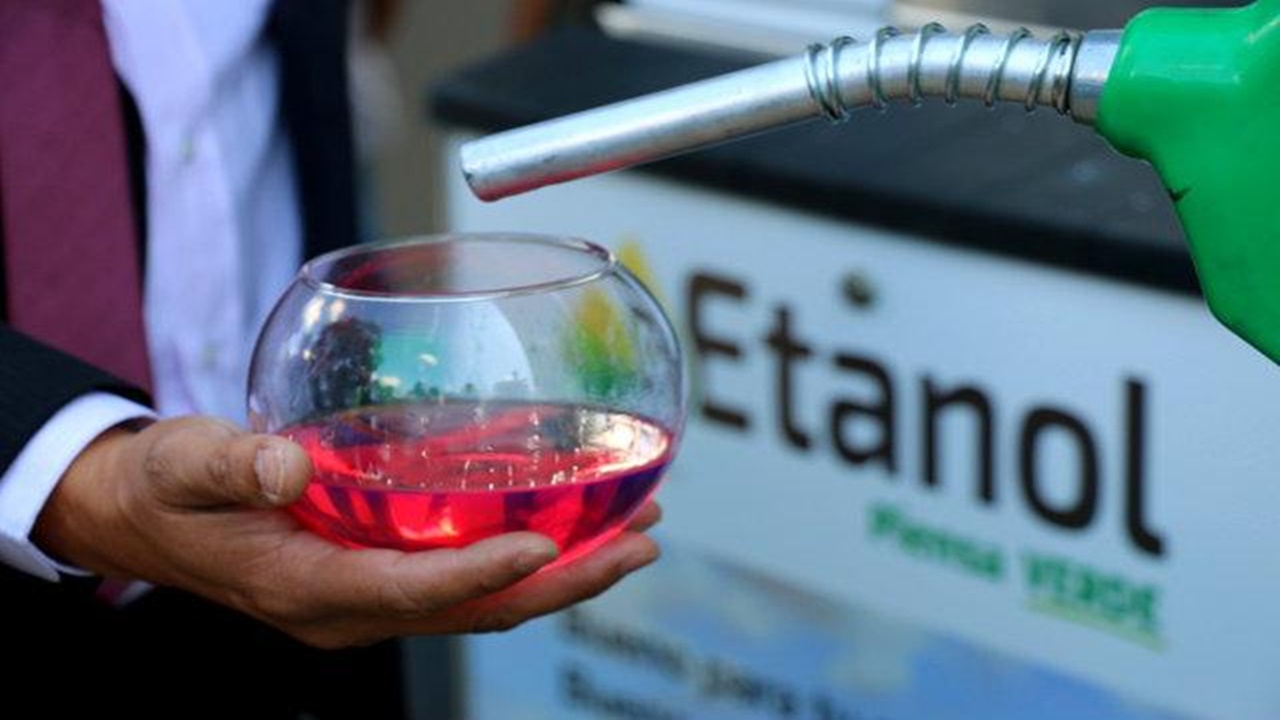
The Future Of Bioenergy With The Use Of Ethanol Will Be Discussed Between Government And Brazilian Businessmen With The Ambassador Of India Next Week
Next week will be marked by an online event from Fenasucro & Agrocana Trends, between the government and Brazilian businessmen with the ambassador of India, to discuss the use of the biofuel ethanol in the global energy transition.
Read Also
- Raízen Invests R$ 345 Million In Agricultural Fleet To Increase Production And Reduce Costs
- Gasoline, Ethanol And Diesel Prices Keep Rising, Deputies Refuse To Change ICMS Amid Price Surge Of Fuels And Petrobras ‘Bears The Cost’
- Gasoline Price Exceeds R$ 6 And Ethanol Reaches Almost R$ 5 At Fuel Stations, Punching Consumers In The Wallet
- Oil Prices Rise Last Friday (05/14) And Petrobras Is Set To Raise Gasoline And Diesel Prices Even More; Ethanol Gains Advantage And Prices Are Expected To Drop At The Mills
- Ethanol Made From Coconut Shells, Developed By A Brazilian University, Promises To Change The World Of Renewable Energy
- Direct Sale Of Ethanol From Mills Is Approved By The CCJ And Promises To Stimulate Competition And Curb The Rise In Gasoline Prices At Fuel Stations
The webinar, scheduled for the next 25th at 4 PM, organized by Fenasucro & Agrocana TRENDS, will feature Brazilian businessmen from the bioenergy and automotive sectors and representatives of the national government and the Embassy of India. It will address the relevance of facilitating ethanol as an additive in fossil fuels on a global scale, enhancing the transformation of the biofuel into a commodity, as well as the energy transition focused on renewable sources, demonstrating the challenges and the path toward a greener and more sustainable global future.
The online event will include Francis Queen (Executive VP of Ethanol, Sugar and Bioenergy at RAÍZEN); Pablo Di Si (President and CEO of Volkswagen Brazil and Latin America); Pietro Mendes (Director of Biofuels at the Brazilian Ministry of Mines and Energy); and Suresh K. Reddy (Ambassador of India to Brazil).
-
The urgent need to implement a severe cut in public spending and a massive increase in taxes, in addition to drastically compromising the quality of basic services and the purchasing power of the population, could result in social unrest in the country, with the population leading protests, strikes, and frequent disturbances.

-
In Virginia, a family of small-scale farmers refused to swap the countryside for the city and transformed their milk production into award-winning artisanal cheese from Mantiqueira de Minas.

-
The alligator that was once illegal game has become a business in the Pantanal: Caimasul, the largest alligator slaughterhouse in the world, slaughters nearly 100,000 per year and exports alligator leather and alligator meat.
-
At 17, Andressa swapped the city for life in the countryside with her father on a farm in Minas Gerais, where they take care of 15,000 fish in aquaculture, cows, and other animals.



The importance of the topic is highlighted by Paulo Montabone, Director of Fenasucro & Agrocana and moderator of the webinar. “Ethanol as a commodity will enable its adoption as an additive to fossil fuels, reducing global CO² emissions. One of the biggest challenges in this transition is the increase in global production of biofuels, as most sugarcane-producing countries still opt for sugar production. Another challenge is the transfer of knowledge and technology in ethanol production – from sugarcane or corn – which Brazil dominates, to other producing countries in Africa and Latin America,” explains Montabone.
Brazil And India Can Supply A Large Part Of The World Demand For Ethanol
According to the executive, the great advantage of having India as a partner with Brazil is that together these countries can supply a large part of the global demand for ethanol.
In addition to the previously mentioned topic, the online event will discuss other aspects, such as the new technologies from renewable sources that the automotive sector has developed, the strategies adopted by major business groups in the bioenergy sector to meet the latent demand for ethanol in the world, and the programs, public policies, and incentives that the government can provide to the sector. “These are fundamental questions for the bioenergy market to understand its new moment, and the prominent names representing the links of production, consumption, and governments will address them at the meeting,” continues the director of Fenasucro & Agrocana.
Those interested in participating in the major event can register for free through the Fenasucro & Agrocana TRENDS digital platform, through this link. The spots are limited.
The 28th edition of FENASUCRO & AGROCANA (International Bioenergy Fair) will take place from November 9 to 12, 2021, at the Zanini Events Center in Sertãozinho (SP).
The event, organized by CEISE Br and promoted by Reed Exhibitions, is the only one in Latin America to gather innovations and high-level technical content aimed at the entire production chain of the bioenergy industry, as well as having professionals from the food and beverage, paper and pulp, transportation and logistics, and energy distribution and marketing industries.
Raízen, Global Leader In Ethanol Production, Renews Brand Use Agreement With Shell For 13 More Years
The global ethanol giant Raízen announced yesterday (05/21) in a relevant market fact that it has renewed its agreement with Shell Brands International for the right to use the oil company’s brand in the fuel distribution sector for another 13 years.
“The celebration of this contract was ratified during the meeting of Raízen Fuels’ board of directors, in which representatives elected by the Shell group abstained from voting,” it reported.
It is worth remembering that the leading ethanol producer Raízen is a joint venture between the Cosan Group and Shell itself. Currently, the company is preparing to list on the stock exchange!








Be the first to react!