






 Portuguese
  Spanish
 5 min of reading
  0 comments


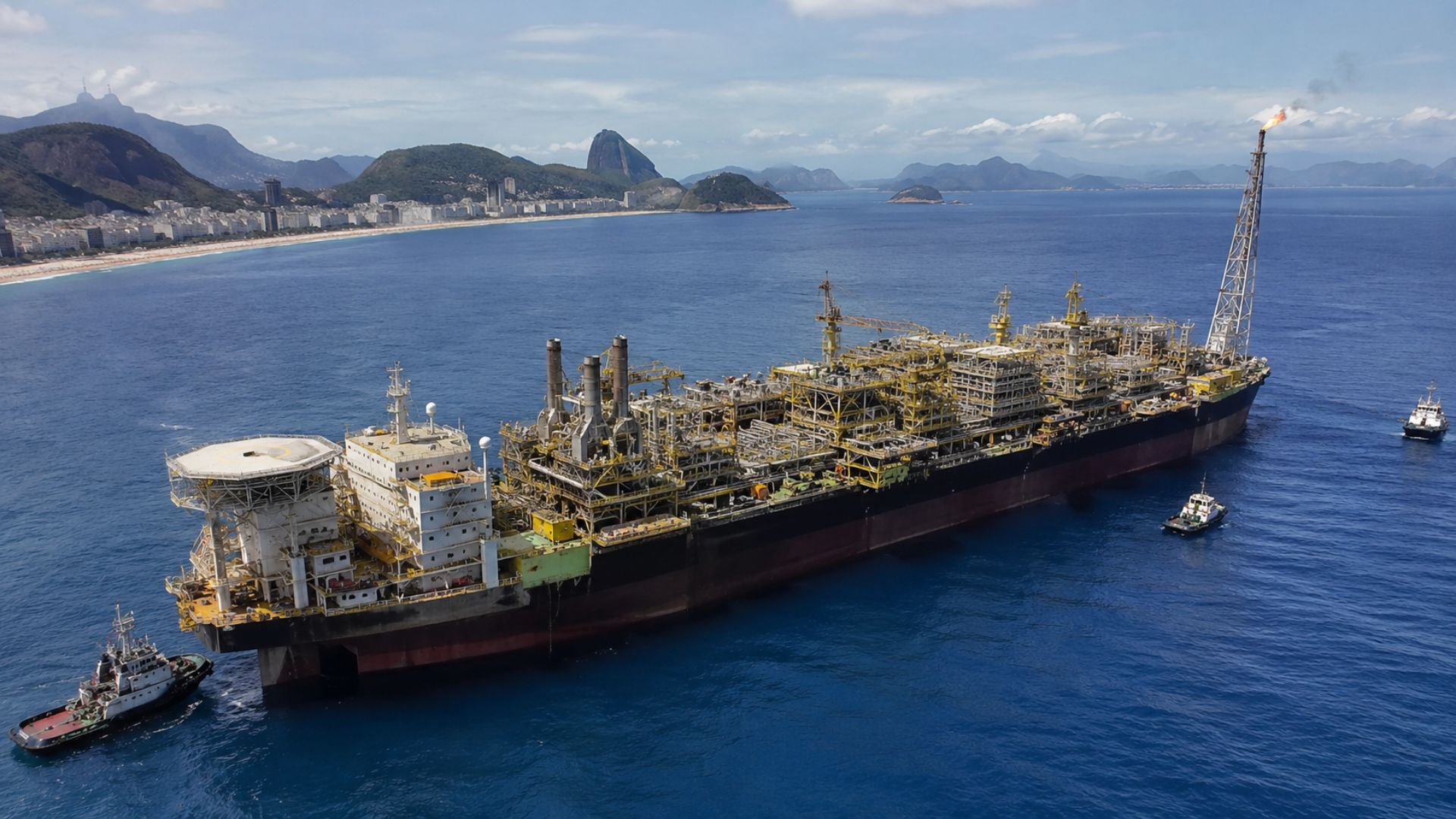
FIRJAN mapped R$ 526.3 billion in investments for Rio de Janeiro in the three-year period until 2028, almost 2,000 projects that place the state as the largest concentration of capital in Latin America. Oil and gas take two-thirds of the share, and the bet is to revive the industry and generate hundreds of thousands of jobs.
Rio de Janeiro is about to experience the largest influx of investments in its recent history, and the number is impressive even to those accustomed to large figures. According to the Investment Panorama study by FIRJAN, the Federation of Industries of the state, Rio de Janeiro is expected to receive R$ 526.3 billion in investments in the three-year period up to 2028, spread across almost 2,000 projects. This is a value that surpasses the GDP of several Brazilian states combined.
The ambition behind the figure is clear: to revive the industry of Rio de Janeiro and return the state to the prominence it has lost in recent decades. Rio has always been a powerhouse, but it became dependent on oil and gas royalties, allowed other production chains to wither, and experienced one of the harshest deindustrializations in the country. The mega plan mapped by FIRJAN is an attempt to change this scenario, diversify the economy, and make the state compete again for industrial leadership in Brazil.
The numbers that support the mega plan
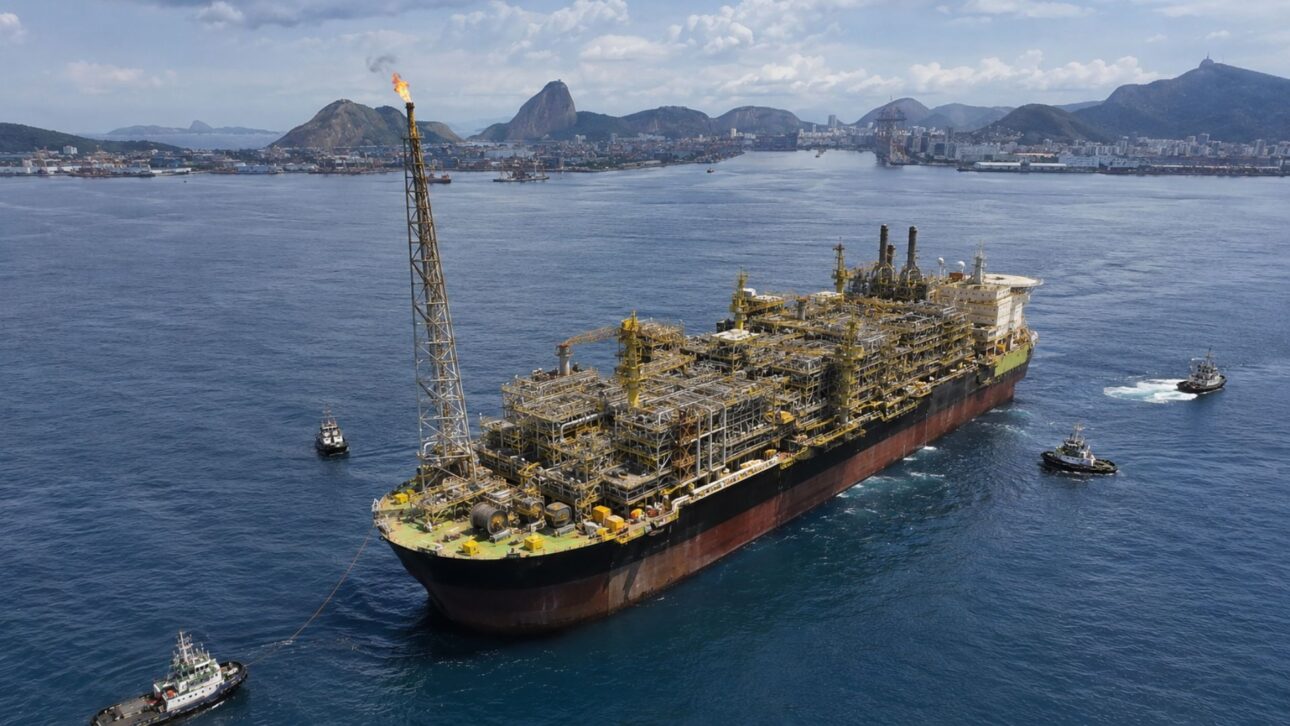
According to Agência Brasil, of the R$ 526.3 billion forecasted, R$ 327.6 billion are already in ongoing ventures, distributed across 1,882 projects, while another R$ 198.7 billion are in 79 potential projects, awaiting decision or incentive to get off the ground.
-
China signals an increase in beef imports, Brazil has already consumed 70% of the 1.106 million ton quota and seeks to renegotiate the tariff that jumps from 12% to 55%, while demand from the US also skyrockets.

-
Food inflation rose 302% in 20 years in Brazil, but the supermarket changed: purchasing power yielded 87% more mortadella and 31% less fruit, and ultra-processed foods took over the cart.
-
Petrobras sells the first batch of 3,800 m³ of aviation fuel made with certified soy, capable of reducing emissions by up to 70%, in an unprecedented project that anticipates the aviation sector’s requirements expected for 2027.
-
Brazil enacted a national minimum wage for teachers at R$ 5,130 for a 40-hour workweek, raised the minimum wage for basic education after a 5.4% adjustment, and established a rule that prevents increases below inflation in the coming years across the country.



A good portion of this money comes from abroad. The investments with direct participation from foreign companies total R$ 104.5 billion, a sign that Rio de Janeiro is back on the international capital radar. Not by chance, the president of FIRJAN, Luiz Césio Caetano, summarizes the weight of the survey in one sentence. “The mapping of our study certainly positions the state of Rio de Janeiro as one of the regions with the highest concentration of investments in Latin America,” he stated.
It is this concentration that fuels the expectation of a turnaround in the industry. Instead of relying on a single sector, the plan spreads investments across energy, infrastructure, manufacturing, and urban development, precisely so that the state’s economy stops rising and falling with the price of a barrel.
Oil and gas drive two-thirds of everything
It’s impossible to talk about Rio de Janeiro without mentioning oil and gas, and the study makes this clear. According to Agência Brasil, the energy sector alone concentrates R$ 215.7 billion in investments underway, equivalent to 65.8% of all the value mapped by FIRJAN. In other words, two out of every three reais forecasted for the state go to this engine.
The driving force of this block is the exploration and production of oil at sea. Agência Brasil points out that giants like Petrobras, Shell, and Equinor are among the companies with significant investments aimed at the extraction of oil and natural gas on the coast of Rio, the heart of national production. It’s the type of investment that sustains entire cities with royalties and has returned to yield with the recovery of international prices.
The historical problem, which the plan tries to correct, is precisely this dependency. When almost everything revolves around oil and gas, any drop in the price of a barrel turns into a fiscal crisis. Therefore, even with the energy sector dominating the map, the bet of the industry in Rio is to use the power of oil to finance diversification, and not to repeat the cycle of boom and bust.
It’s not just oil: the other axes of the plan
Outside of energy, the second largest target is infrastructure, and it is a key piece for the rest to work. According to Agência Brasil, concessions total about R$ 41 billion in investments, with emphasis on major road works, such as the connection between Rio de Janeiro and São Paulo, the connection with Governador Valadares, and the BR-040. Without good roads, railways, and ports, oil and cargo do not reach the market, and profit drains away through expensive freight.
The manufacturing industry also appears strongly in the FIRJAN survey. R$ 25.6 billion is allocated to this segment, which includes major projects like Prosub, the submarine construction program, one of the most strategic works underway in the state and an example of high-tech industry that Rio wants to anchor in its territory.
There is also a focus directly on urban life. Urban development receives R$ 20.3 billion, according to Agência Brasil, with a strong presence of sanitation works spread across 49 municipalities. This is the part of the plan that attempts to transform economic growth into tangible improvements in the daily lives of the population, not just into report numbers.
Jobs, taxes, and the test of credibility


The most anticipated effect of all this is on the job market. FIRJAN estimates that the implementation phase of the projects will require, on average, about 607 thousand workers employed per year, while the operation phase should demand around 638 thousand more permanent jobs. For a state that suffered from factory closures and company departures, this is the promise that weighs most on the citizen’s pocket.
The return to public coffers is also considered. According to Agência Brasil, the investments are expected to generate R$ 6.4 billion in revenue during the execution of the works and about R$ 3.8 billion per year when everything is operational. This is money that, in theory, helps Rio de Janeiro breathe amidst a tight fiscal situation and reduces the old dependency on transfers and royalties.
But not everything is enthusiasm, and FIRJAN itself recognizes the bottlenecks. Director Maurício Fontenelle points out infrastructure, energy, and public security as factors that limit investment, and Infrastructure Manager Isaque Ouverney notes that insecurity directly affects freight costs and the decisions of those considering investing in the state. Add to this the history of major projects that stalled in Rio, and the size of the challenge becomes clear: more than announcing half a trillion, the state needs to prove that this time the projects will materialize.
The mega plan mapped by FIRJAN shows a Rio de Janeiro that wants to stop being just the state of oil and gas to become a complete industrial powerhouse again. There are R$ 526.3 billion in investments, two-thirds driven by energy, but with room for infrastructure, transformation, and better cities, all pointing to the recovery of the fluminense industry and hundreds of thousands of jobs.
The question remains that every carioca and fluminense asks: this time will the projects come off the paper, or will they become just another promise? And you, do you believe that Rio de Janeiro can become the largest industry in Brazil with this plan? Share your thoughts in the comments.


Be the first to react!